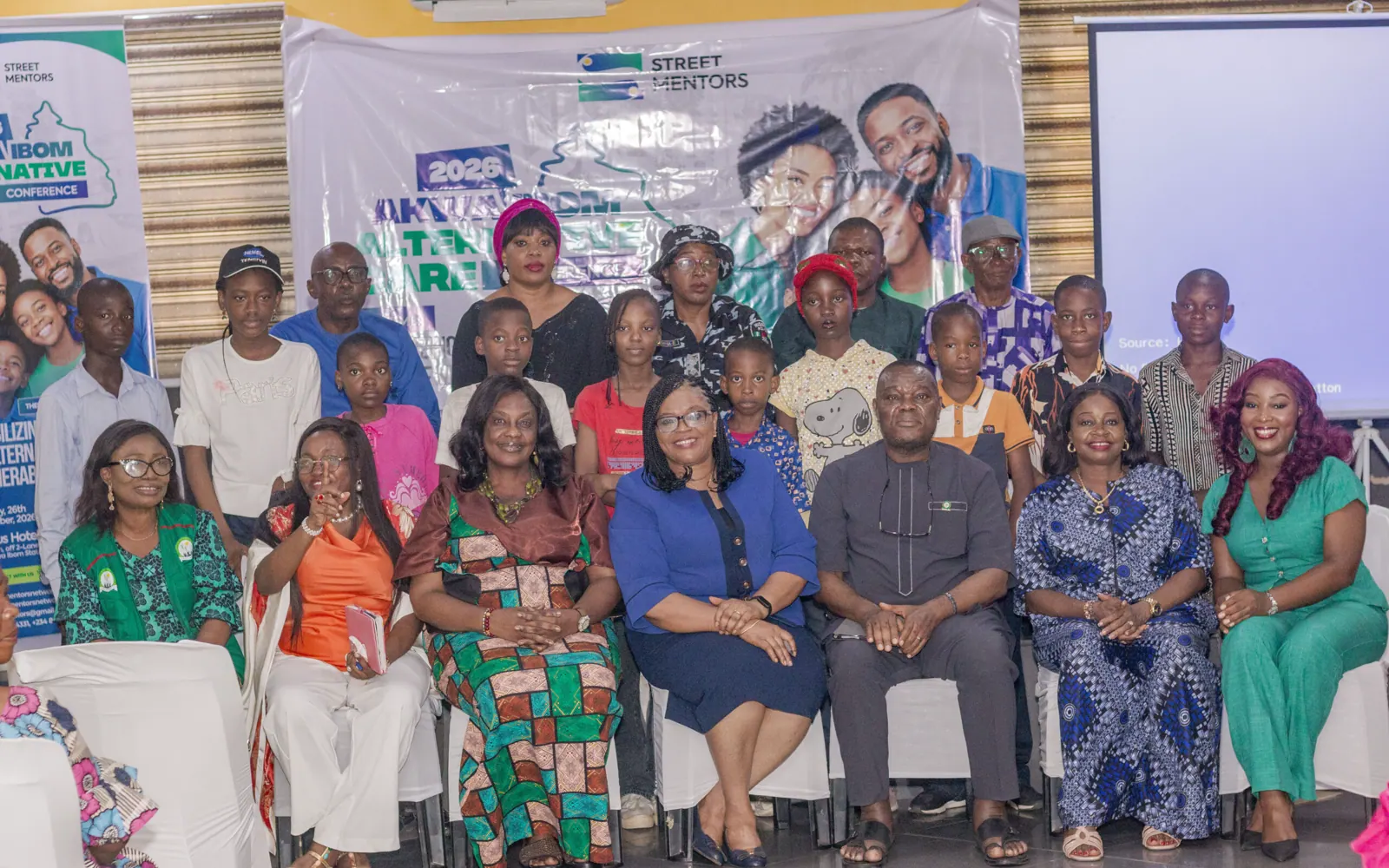
A judge of the Akwa Ibom State High Court, Theresa Obot, has urged the state government to create a comprehensive database of children in alternative care and regularly monitor their welfare. This call was made during the Akwa Ibom Alternative Care Conference, organised by Street Mentors Network. The conference aimed to address the protection of vulnerable children who cannot live safely with their biological families.
Alternative care for children includes arrangements such as kinship care, foster care, guardianship, family-based care, and residential or institutional care. The primary goal is to provide a safe, stable, and nurturing environment for children while protecting their rights and development. Judge Obot emphasised that the absence of reliable data on children in alternative care poses a significant protection risk.
Judge Obot commended the Akwa Ibom State Government for enacting the Child Rights Law in 2008, which provides a framework for protecting children from abuse and exploitation. She noted that the state is probably the only state in Nigeria with a law expressly prohibiting the branding of a child as a witch or wizard. The judge stressed that the justice system must prioritise the safety, stability, dignity, and development of children in family-related cases.
The judge highlighted the need for a change in how law enforcement agencies handle children, citing instances where police manipulate children's ages to enable their detention in correctional facilities. She also emphasised that family preservation should not mean maintaining a harmful environment for a child, and that separation should not be the first response where safety can be achieved through support, protection, and rehabilitation.
Executive Director of Street Mentors Network, Anita Michael, stated that the conference aimed to examine how vulnerable children can be protected when they cannot be raised by their biological parents. She cited Nelson Mandela's observation that a society's treatment of its children reflects the society's values. Ms Michael emphasised that children are particularly vulnerable and need protection.
Stakeholders, including Helen Ubit, Executive Director of Theolight Foundation, have expressed the need for stronger family support to prevent children from ending up on the streets and being exposed to further risks. The conference marked the fifth anniversary of Street Mentors Network and brought together stakeholders to discuss the protection of vulnerable children in Akwa Ibom State.
Key issues discussed at the conference include the need for effective laws, competent courts, child-sensitive procedures, responsible parents, and professional lawyers to ensure a functional child protection system. Judge Obot called on members of the public to report child abuse cases to the police or approach the Family Court for assistance.
Key points
- The Akwa Ibom state government is urged to establish a database to track children in alternative care.
- The importance of prioritizing the safety and well-being of children in family-related cases was emphasized.
- Stakeholders stress the need for stronger family support to prevent children from being exposed to risks.