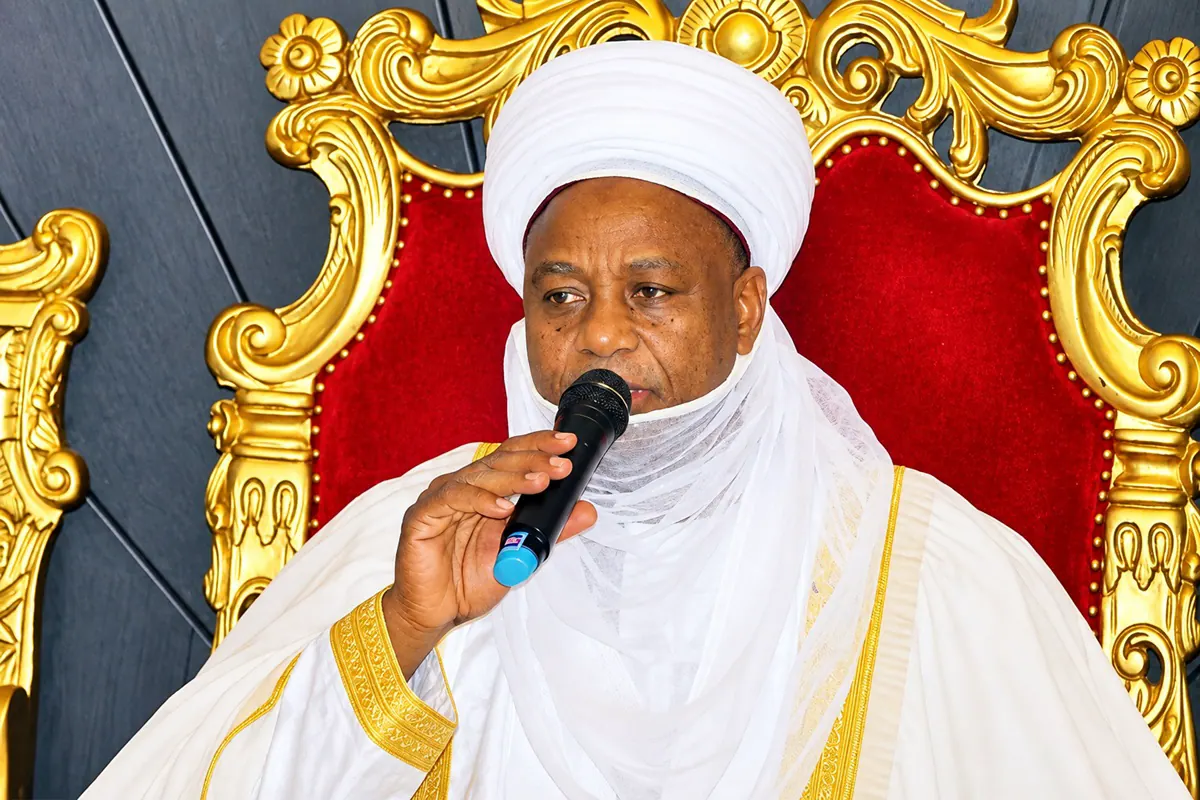
The Nigerian Supreme Council for Islamic Affairs has backed the establishment of state police as part of a comprehensive reform of Nigeria's security architecture. Led by the Sultan of Sokoto, Alhaji Muhammad Sa'ad Abubakar, the council emphasized that decentralised policing could strengthen Nigeria's response to insecurity if anchored on professionalism, impartiality, accountability, sustainable funding, and respect for fundamental rights. This position was contained in a communiqué issued after the NSCIA General Assembly held on October 1, 2026.
The NSCIA General Assembly, held under the theme "Nigerian Muslims and the Imperative of Nation-building," was attended by prominent Emirs, Obas, Chief Imams, Islamic scholars, and leaders of major Islamic organisations. The assembly comes amid the ongoing constitutional process to amend the structure of policing in Nigeria. The proposed amendment requires the approval of at least 24 state Houses of Assembly before it can proceed to the next stage. The council stressed the need for effective coordination between federal and state security institutions.
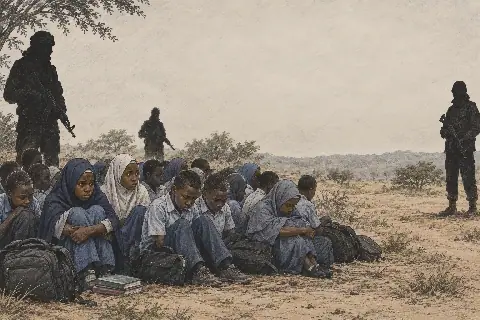
The NSCIA rejected claims that Christians or any particular religious group is facing genocide in Nigeria. The council said insecurity affects Nigerians irrespective of religious affiliation and warned that framing the security crisis as a religious genocide could heighten tension and further divide the country. This position comes amid heightened debate over killings, terrorism, banditry, and other forms of insecurity across the country, with competing narratives over the religious dimension of the violence.
The council also criticised the University of Ibadan, Obafemi Awolowo University, and the University of Lagos over their dispositions towards Supreme Court judgments affirming the right of Muslim female students to wear hijab in their international schools. The NSCIA accused the institutions of attempting to re-designate the schools as private institutions, allegedly to circumvent the effect of the court judgments. It urged the university authorities to comply with the Supreme Court decisions and adopt a more inclusive approach.
On the economy, the NSCIA acknowledged efforts by the Federal Government to stimulate economic growth but said ordinary Nigerians continued to face significant hardship. The council urged the government to expedite measures aimed at drastically reducing the cost of food and transportation. It said the continued pressure on household incomes required urgent intervention as Nigerians struggle with the rising cost of necessities.
Ahead of the 2027 general elections, the NSCIA urged Muslims to obtain their National Identification Numbers and Permanent Voter Cards and participate fully in the electoral process. The council encouraged Muslims to use their votes to influence the selection of leaders at all levels and play a more active role in national affairs. It also urged Muslim organisations to strengthen their economic independence through lawful investments, Zakat, and Waqf.
The NSCIA reaffirmed the long-standing presence of Islam in Igboland, rejecting claims that Muslims are non-indigenous to the region. The council called for greater investment in developing Muslim communities and encouraged the integration of Islamic knowledge with Science, Technology, Engineering, Arts, and Mathematics.
Key points
- The NSCIA supports decentralised policing with safeguards for professionalism and accountability.
- The council rejects claims of Christian genocide in Nigeria, citing insecurity as a nationwide issue.
- The NSCIA urges universities to respect Muslim students' right to wear hijab.