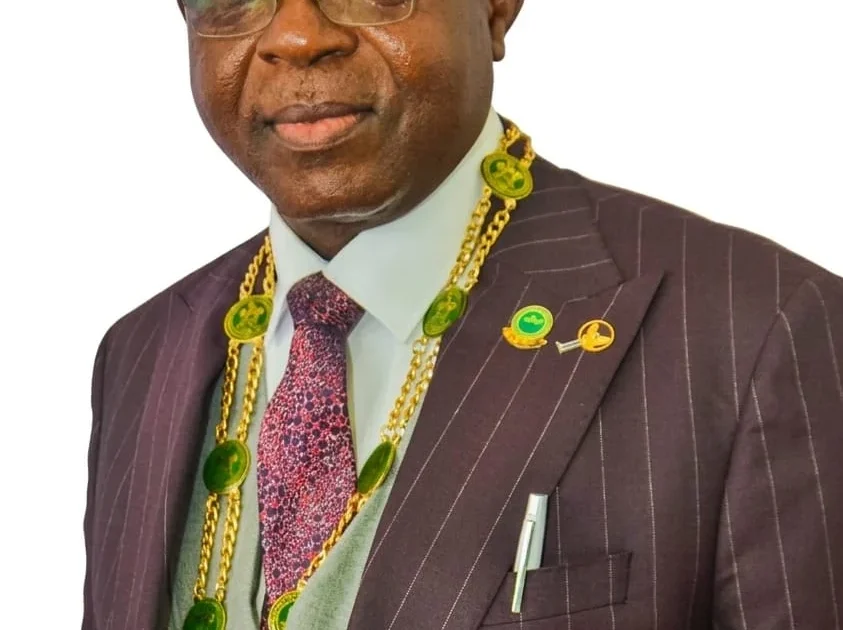
The Lagos State Chapter of the Nigerian Institute of Town Planners has urged the government to take immediate action to address flooding in the Lekki-Epe corridor. This region, situated between the Atlantic Ocean and the Lagoon, is particularly prone to flooding. According to Oladele Akindele, the outgoing chairman of the institute's Lagos chapter, the area requires special attention to mitigate the impact of floods.
Akindele emphasized that it is more effective to drain water into the Lagoon rather than the ocean. He stressed that all engineering solutions for drainage master plans should consider this approach. Akindele made these remarks during a press conference on the sidelines of the institute's 2026 Pre-Annual General Meeting. The institute's proposal aims to minimize the risk of flash floods in the region.
Lagos is particularly vulnerable to flooding due to its low-lying terrain. Akindele noted that it is challenging to completely avoid flash floods in the state. To address this issue, he suggested that the government study and implement solutions that have been successful in other countries, such as the Netherlands and New Orleans in the United States. These places have made significant progress in curtailing flooding.
The institute also highlighted the importance of addressing blocked drainage channels, which contribute significantly to flooding. Akindele proposed that the government should engage in public enlightenment campaigns, monitor drainage channels effectively, and impose strict penalties on those who block them. This approach would serve as a deterrent to others and help mitigate flooding in the region.
Akindele welcomed the government's plan to deploy specialized sweeping machines on some roads to clear blockages. He also emphasized the need for local government council authorities to be involved in the planning process to ensure that their efforts align with the Urban and Regional Planning Act of 1992. This integration would help create a more cohesive approach to urban planning.
The institute suggested that the government consider public-private partnerships to implement master/model city plans. This collaboration would help reduce the financial burden on the government and facilitate the execution of these plans within the stipulated timeframe. Akindele commended the Office of Urban Development for awarding regeneration and urban renewal projects to indigenous urban and regional planning firms.
Akindele reiterated the need for stricter government action against illegal developments that obstruct canals or drainage channels. He advocated for the removal of such developments at the early stages of construction, rather than after they have been completed and occupied. The recently introduced Certified Accreditors Program in Lagos State aims to reduce building collapses and improve enforcement of building regulations. The institute supports this initiative, which is expected to promote safer and higher-quality construction.