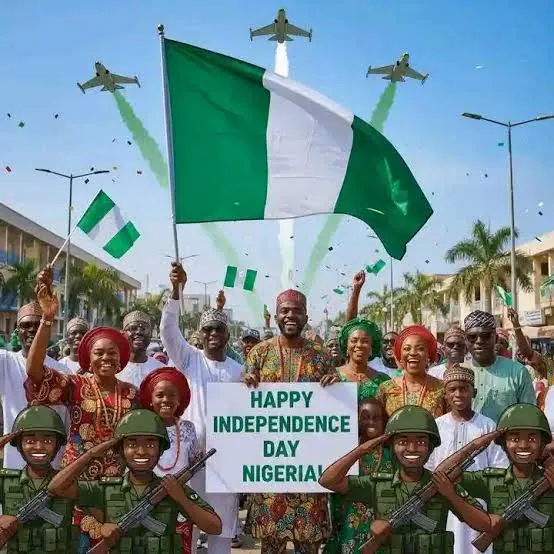
As Nigeria marks another Independence Day on October 1st, citizens are reminded that this occasion should be more than a celebration of national symbols and ceremonies. The day offers an opportunity for introspection on the country's progress and the actions of its leaders. With various challenges facing the nation, Nigerians are encouraged to look beyond the festivities and assess the state of their country. This reflection is crucial in evaluating the effectiveness of leadership and its impact on the nation's development.
Adewale T. Akande, PhD, recently shared his thoughts on Nigerian leadership, stating that if some political leaders truly understood their roles and the expectations of their citizens, they would be apprehensive about their actions. His comments spark a broader conversation about accountability and the responsibilities of those in power. As Nigeria continues to navigate its complex socio-political landscape, the need for effective and responsible leadership has never been more pressing. The nation's progress depends on leaders who prioritize the needs and welfare of their citizens.
In related news, Ghana is experiencing significant developments in its economic and infrastructure sectors. The government has been urged to deepen support for the country's textiles and apparel industry to expand job creation and business opportunities for young people. This move aims to harness the potential of the sector to drive economic growth and reduce unemployment among the youth. By investing in this industry, Ghana can unlock new opportunities for its citizens and stimulate economic development.
Meanwhile, in Ghana's transportation sector, the Ashanti Regional Minister, Dr Frank Amoakohene, has highlighted inadequate funding as the primary obstacle to completing the Boankra Inland Port project. The government is now expected to intervene directly to prevent the project from stalling. This development underscores the challenges that often hinder infrastructure projects in the region and the need for sustained investment in critical infrastructure to drive economic growth.
In the banking sector, Morocco's Attijariwafa Bank is set to become the majority shareholder of Société Générale Ghana after acquiring the French banking group's entire 60.22 percent stake in the listed lender. This transaction marks a significant shift in the ownership structure of Société Générale Ghana and may have implications for the country's banking landscape. The move is expected to enhance the bank's operations and contribute to Ghana's financial sector growth.
Climate finance has also been a focus of discussion in the region, with Ghana's Finance Minister emphasizing the need for a shift in Africa's approach to climate finance. The Minister stressed that there is a need to mobilize larger pools of private capital for climate investments, rather than relying solely on project funding. This approach aims to leverage more resources for climate-related initiatives and support sustainable development in the region.
In other news, Kwabena Boamah has been appointed as the new Board Chair of Impact Investing Ghana, marking a transition in the organization's leadership. This development is expected to bring new perspectives and expertise to the organization, enhancing its efforts to promote impact investing in Ghana. The appointment reflects the growing importance of impact investing in the region and the need for effective leadership in this field.
Key points
- Nigerian leaders face scrutiny on their actions and responsibilities.
- Ghana's government is urged to deepen support for the textiles and apparel industry.
- Climate finance approach needs to shift towards investment mobilization.