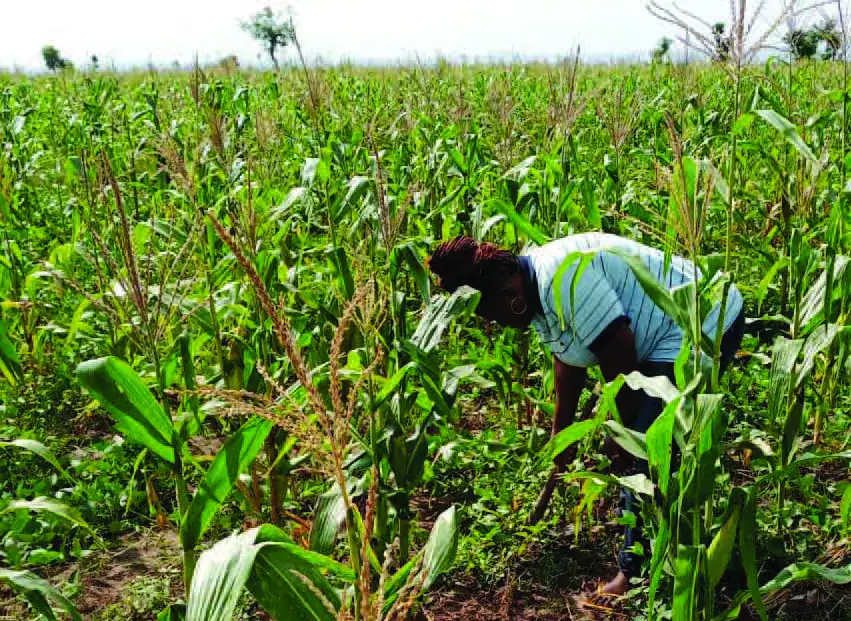
As the rainy season farming begins in northern Nigeria, farmers are expressing concerns over the rising costs of farming inputs, inadequate irrigation facilities, and limited access to affordable loans. These challenges, they say, continue to hinder their efforts to increase food production. Despite the potential of rainy season farming to boost dry season farming and improve food security, many farmers are struggling to sustain their activities due to the high cost of modern fertilizers, irrigation equipment, and other essential farming inputs.
Farmers are optimistic that addressing these challenges can help increase crop yields, improve food production, and reduce the prices of essential food items in the country. However, they emphasize that without adequate government support, access to irrigation facilities, and effective measures to mitigate post-harvest losses, the potential of rainy season farming to improve food security may not be fully utilized. Alhaji Nasiru Adamu Dabai, a tomato farmer from Hunkuyi, in the Kudan Local Government Area of Kaduna State, says farmers have made several attempts to secure government support but have yet to receive significant assistance.
According to Dabai, the high cost of farming inputs is making it difficult for farmers to operate, especially small-scale farmers who rely on limited funds to carry out their farming activities. He notes that farmers are not only facing the challenge of high farming costs but also significant hurdles in preserving their crops and selling them after harvest. The lack of adequate storage facilities, he says, has resulted in substantial losses for farmers, particularly when there is a surplus of perishable crops like tomatoes and vegetables in the market.
Dabai has called on the government to establish effective mechanisms for purchasing farm produce when it is abundant in the market, which he believes will help protect farmers from losses and encourage them to expand their farming activities. He emphasizes that government support for the agricultural sector should not only focus on encouraging farmers to increase food production but also ensure that they can store and sell their produce at a profit. Farmers, he says, lose millions of naira every year and are in need of assistance.
Alhaji Mansur Aliyu Samaru, a farmer from Jaja, in the Sabon Gari Local Government Area of Kaduna State, shares similar concerns about the impact of neglecting the challenges faced by farmers on the country's food security efforts. Samaru notes that rainy season farming plays a crucial role in supplementing dry season farming, particularly in providing food to communities during periods when dry season farming yields are low. He emphasizes that farmers engaged in rainy season farming are vital to ensuring the availability of vegetables and other farm produce in local markets.
Samaru warns that ignoring this aspect of farming could have severe consequences for food security, stressing that farmers need adequate support to continue producing. He believes that government support is essential to address the challenges faced by farmers and to ensure that they can contribute effectively to the country's food security efforts. By providing support, the government can help farmers overcome the obstacles they face and improve their productivity.
The challenges faced by Nigerian farmers, including high farming costs, inadequate irrigation, and limited access to affordable loans, require urgent attention from the government. Farmers are calling for effective measures to address these challenges and ensure that they can contribute to the country's food security efforts. The government must prioritize the needs of farmers and provide them with the necessary support to increase food production and reduce the prices of essential food items.
Key points
- Nigerian farmers need government support to address challenges such as high farming costs, inadequate irrigation, and limited access to affordable loans.