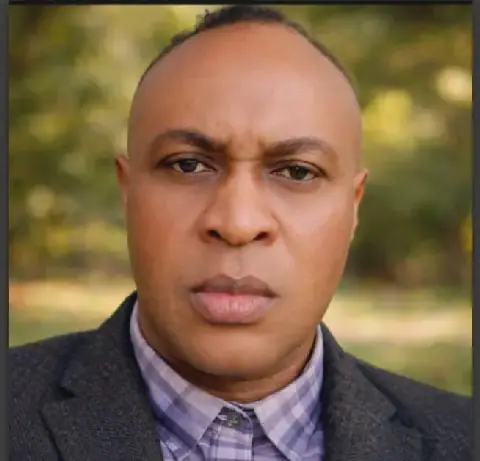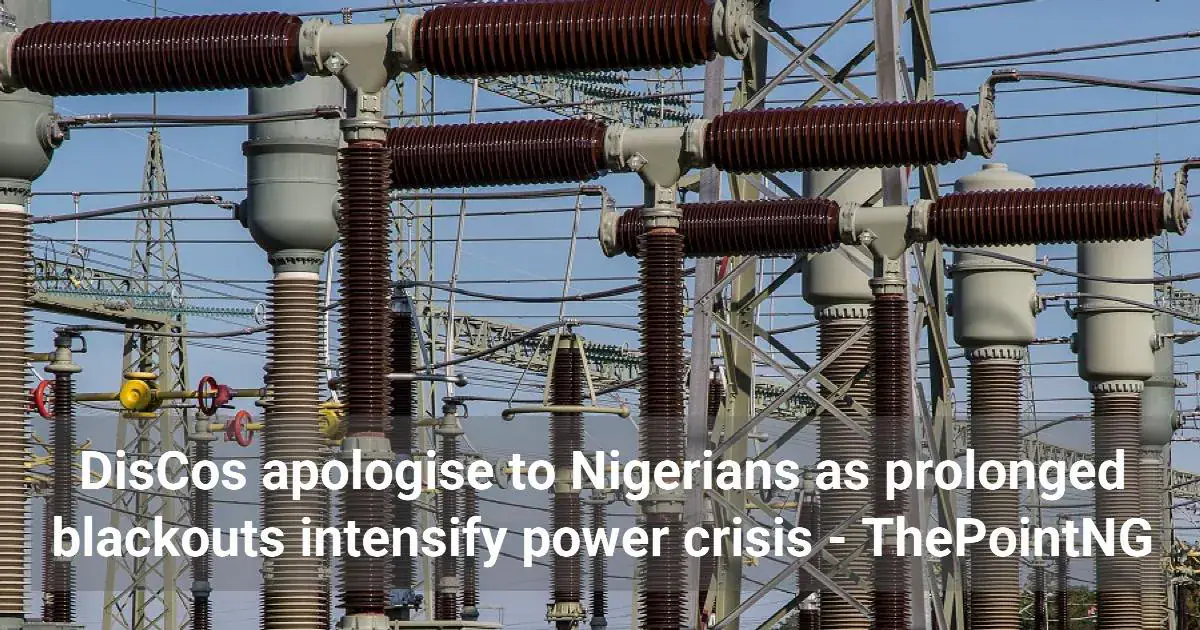
The Association of Nigerian Electricity Distributors has apologized to Nigerians for the persistent power outages across the country, acknowledging the difficulties households and businesses have endured amid weeks of inadequate electricity supply. Managing Director and Chief Executive Officer Sunday Oduntan offered the apology during a television interview, admitting that consumers had been subjected to considerable hardship. He emphasized the need for the electricity sector to address the recurring supply challenges rather than allow disagreements among operators to undermine efforts to improve service delivery.
Oduntan expressed concern over the renewed blame game among stakeholders in the electricity industry, warning that it could undermine efforts to resolve the persistent power supply difficulties. He recalled that similar disagreements among electricity distribution companies, transmission operators, generation companies, and gas suppliers had characterized the sector between 2016 and 2019, when operators frequently shifted responsibility for poor electricity supply. According to him, the industry appears to be returning to the same pattern, with stakeholders accusing one another instead of working collectively to address the structural and operational challenges affecting electricity delivery.
The association's chief executive questioned the differing explanations provided by the Nigerian Independent System Operator and the Nigerian National Petroleum Company Limited regarding the factors responsible for the recent electricity shortages. He noted that NISO had identified inadequate gas supply and low water levels as some of the factors affecting electricity generation, while the NNPC subsequently issued a statement indicating that gas was available. Oduntan faulted what he considered an incomplete explanation from the national oil company, arguing that Nigerians deserved clarity on whether outstanding payments and other financial obligations were affecting gas deliveries to power generation companies.
Oduntan called on the Minister of Power to assume a stronger coordinating role by convening the relevant stakeholders to establish the actual causes of the disruptions and agree on practical solutions. He argued that continued exchanges of accusations among gas suppliers, the NNPC, transmission operators, and the system operator would not resolve the electricity crisis without effective government leadership. The apology comes amid increasing public frustration over unreliable electricity supply, with consumers in different parts of the country reporting prolonged outages that have disrupted domestic activities and commercial operations.
The worsening situation has renewed concerns about the effectiveness of the electricity tariff band system, which categorizes customers according to the minimum number of hours of electricity they are expected to receive. Under the arrangement, Band A customers are entitled to a minimum of 20 hours of electricity daily, while customers on other categories are expected to receive fewer hours based on their respective classifications. However, complaints over inadequate supply have continued even among customers paying the higher Band A tariffs, raising questions about the ability of distribution companies to meet the service commitments attached to the different categories.
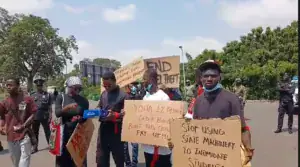
The electricity challenges have also become more difficult for households amid intense dry-season temperatures and the effects of the El Niño climate phenomenon, with many residents struggling to cope without electricity to operate fans, air conditioners, and other essential appliances. The situation has triggered public criticism and protests, with prominent Nigerians drawing attention to the difficulties associated with the persistent outages. Veteran actress Kate Henshaw criticized the country's inability to provide reliable electricity, lamenting that Nigerians had effectively been forced to turn their homes into "mini-factories" because of the need to generate their own power.
The growing dependence on private electricity generation has also placed additional financial pressure on consumers, particularly as the rising prices of petrol and diesel continue to increase the cost of operating generators. For households and small businesses unable to afford the recurring expenses associated with fuel-powered generators, alternative energy solutions such as solar panels, batteries, and inverters remain financially out of reach. The persistent electricity shortages have also brought renewed attention to President Bola Tinubu's campaign commitments to address Nigeria's longstanding power challenges.
Key points
- Electricity distribution companies apologize to Nigerians for persistent power outages.
- Association's CEO calls for government leadership to resolve the crisis.
- Public frustration grows amid unreliable electricity supply and increasing financial pressure on consumers.