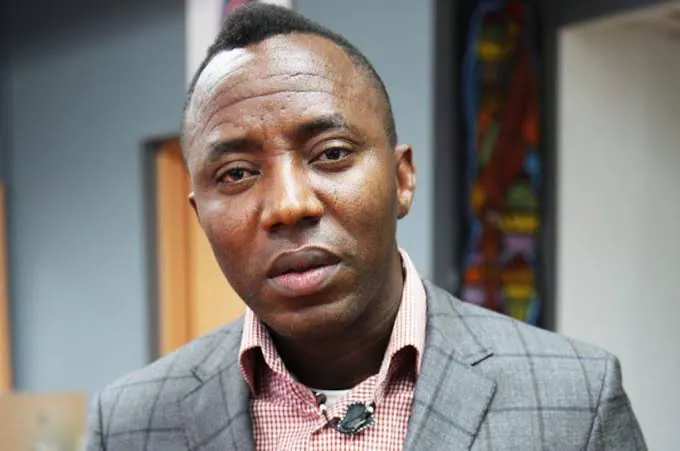
A Nigerian court has been asked to decide whether the Director-General of the Department of State Services, Oluwatosin Ajayi, must personally appear and testify in the ongoing cybercrime trial of activist Omoyele Sowore. The prosecution has opposed Sowore's request, arguing that Ajayi can be represented by another officer. According to prosecution counsel, Akinlolu Kehinde, the parties had previously agreed that a DSS official could represent Ajayi.
Kehinde relied on a Supreme Court decision in Ishaq v. Soniyi (2002) which established that a subpoena issued to a named public officer did not necessarily require the officer to appear personally. He said a designated DSS officer was in court and ready to testify. The prosecution had made it clear that an official of the DSS would be nominated to represent the Director General, Kehinde said. Ajayi had no personal interest in the case and had acted only in his official capacity.
However, Sowore's counsel, Adeyinka Olumide-Fusika, insisted that Ajayi must appear personally because the subpoena and hearing notice were issued in his name. The defence resorted to subpoenaing the DSS chief after the testimony of its second witness, Uwem Davies, a DSS official, who allegedly indicated that some questions could only be answered by Ajayi. Olumide-Fusika also accused the prosecution of failing to honour an earlier understanding.
The prosecution had earlier argued that it would be impracticable for Ajayi to personally attend every case involving the DSS across different divisions of the Federal High Court. The court has adjourned the matter until October 6, 2026, to rule on whether the DSS Director-General can be compelled to personally appear and testify. Sowore is facing charges linked to posts he made on X and Facebook in August 2025.
In the posts, Sowore described President Bola Tinubu as a “criminal” and accused him of misrepresenting the level of corruption in Nigeria. The trial has been ongoing, with the defence presenting its witnesses. The court's decision on Ajayi's testimony is expected to have implications for the case. The DSS chief's appearance or representation may shed more light on the allegations against Sowore.
The case has attracted attention due to the high-profile nature of the individuals involved. President Tinubu and Sowore have been involved in a public feud, with Sowore being a vocal critic of the President. The cybercrime trial is one of several cases against Sowore, who has been a prominent figure in Nigerian politics and activism.
The court's ruling on October 6, 2026, will determine whether Ajayi will testify in person or be represented by another officer. The decision will have significant implications for the trial and may impact the outcome of the case. Sowore's counsel has expressed concerns about the prosecution's handling of the case, while the prosecution has maintained that it is following due process.
Key points
- The Nigerian court will decide whether DSS Director-General Oluwatosin Ajayi must testify in person in Omoyele Sowore's cybercrime trial.
- The prosecution has opposed Sowore's request, arguing that Ajayi can be represented by another officer.
- The court's decision will have implications for the trial and may impact the outcome of the case.