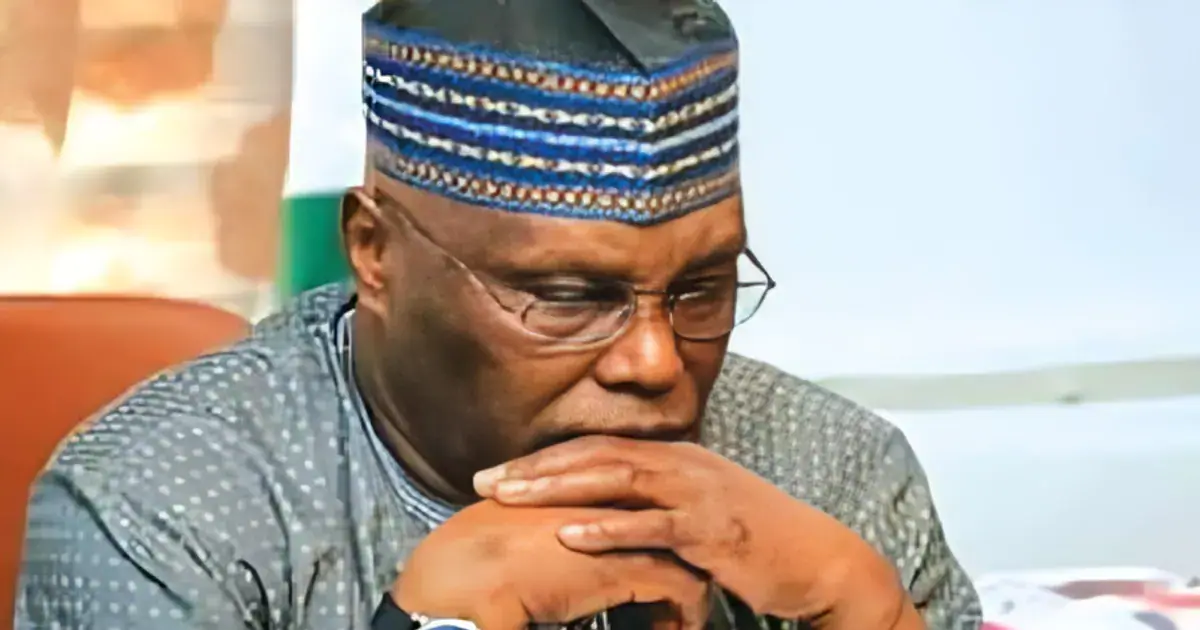
A Federal High Court in Abuja has invalidated the David Mark-led ADC leadership, citing irregularities in the process that brought Mark and his allies to control the party. The court's decision, delivered by Justice Peter Lifu on November 5, 2026, was in favor of Nafiu Bala Gombe, a former National Deputy Chairman (North-East) of the ADC. Gombe had challenged the legitimacy of Mark's leadership, arguing it violated the party's constitution and the Electoral Act.
The court's ruling nullified decisions taken by the disputed leadership, including the presidential primary that produced Atiku Abubakar as the ADC's candidate for the 2027 election. This development throws Atiku's presidential ambition into legal uncertainty, as the leadership responsible for organizing the primary has been declared illegal. Atiku had begun preparations for the 2027 election under the ADC platform, with INEC publishing his name as the party's presidential candidate.
The dispute arose after former ADC National Chairman Ralph Nwosu resigned, paving the way for Mark and other political figures to assume control of the party through a caretaker committee. Gombe argued that he was entitled to take over leadership following Nwosu's departure. The court's decision affects not only Atiku's candidacy but also the emergence of former Osun State Governor Rauf Aregbesola as the party's National Secretary and other appointments made under the caretaker committee.
The judgment has significant implications for Atiku's 2027 presidential bid, as INEC had earlier published his name as the ADC's presidential candidate, with former Rivers State Governor Rotimi Amaechi as his running mate. The court's decision raises questions about the status of other candidates nominated by the party under the disputed leadership. According to reports, the court's ruling also affected the nominations of other ADC candidates presented for the 2027 elections.
The ADC has vowed to appeal the judgment, with the party's National Welfare Secretary, Nkemakolam Ukandu, confirming that the leadership would challenge the ruling at the appellate court. The legal challenge leaves the party facing fresh uncertainty as it prepares for the 2027 elections, with questions surrounding its leadership and the validity of its candidates now back in the spotlight.
The setback comes barely a day after Atiku held a campaign rally in Sokoto State as part of his political mobilization ahead of the election. Atiku's 2027 presidential ambition had gained momentum, but the court's decision has introduced a new level of uncertainty. The outcome of any appeal could prove crucial to Atiku's presidential ambition and the ADC's plans to challenge President Bola Tinubu in the next general election.
The court's decision underscores the complexities and challenges facing Nigeria's electoral process. As the 2027 elections approach, political parties and candidates must navigate intricate legal and procedural requirements. The ADC's situation highlights the importance of internal party democracy and the need for parties to adhere to their constitutions and the Electoral Act to avoid disputes and legal challenges.
Key points
- A Nigerian court has nullified the ADC leadership, throwing uncertainty into Atiku Abubakar's 2027 presidential bid.
- The court's decision was in favor of Nafiu Bala Gombe, who challenged the legitimacy of David Mark's leadership.
- The ADC has vowed to appeal the judgment, which could have significant implications for Atiku's presidential ambition and the party's plans for the 2027 elections.