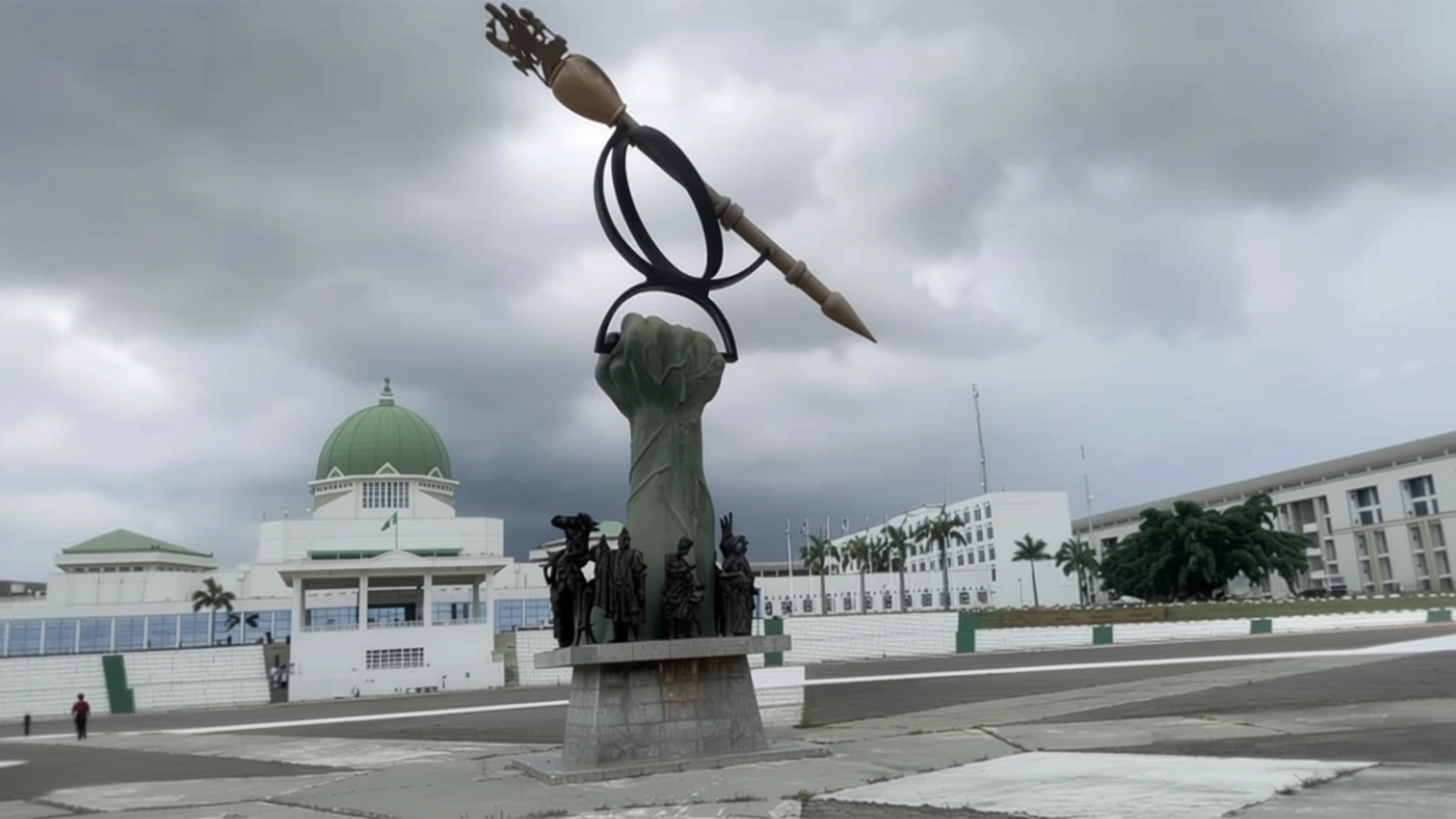
A coalition of Nigerian civil society organisations (CSOs) has called on the National Assembly to withdraw the proposed Foreign Aid ‘Regulation, Transparency and Disclosure’ Bill 2026. The bill, introduced in 2016 by late House of Representatives member Umar Buba Jibril, resurfaced despite previous opposition. The CSOs argue that the legislation would impose unnecessary restrictions on organisations supporting vulnerable Nigerians and holding public institutions accountable.
The bill, sponsored by Senator Ibrahim Hassan Dankwambo, seeks to regulate and monitor the operations and funding sources of non-governmental organisations (NGOs) and civil society organisations. It has passed first and second readings and was referred to the Senate Committee on Civil Society and Development Partners for legislative consideration. The CSOs, including Yiaga Africa, Accountability Lab Nigeria, and SERAP, made the demand at a press conference in Abuja.
Odeh Friday, Country Director of Accountability Lab Nigeria, described the legislation as a threat to civic space, freedom of association, and humanitarian solidarity. He argued that the proposed legislation lacks adequate safeguards against abuse of regulatory powers and raised concerns over the requirement that foreign aid must receive official approval and align with government objectives.
The CSOs faulted the proposed sanctions, particularly the provision allowing the revocation of an organisation’s operational licence. They argued that Nigeria already has several mechanisms for regulating non-profit organisations and monitoring their finances, including the Corporate Affairs Commission (CAC) and the Financial Reporting Council (FRC). The groups urged Nigerians, religious leaders, and student unions to oppose the bill.
Abdulrahman Adebayo, Strategic Lead at Gatefield, said the proposed National Foreign Aid Register would duplicate existing regulatory and transparency mechanisms. He cited the Federal Ministry of Budget and Economic Planning’s Nigeria Development Cooperation Dashboard, launched in 2024, which provides information on development cooperation flows.
Mojirayo Ogunlana, Executive Director of DigiCivic Initiative, described the sanctions as disproportionate, arguing that administrative lapses should not automatically attract severe criminal penalties. Individuals could face up to five years’ imprisonment and a minimum fine of N5m for failure to register or inaccurate disclosure.
The coalition criticised the selective transparency regime, which places particular scrutiny on foreign-funded organisations while failing to impose equivalent disclosure requirements on domestic political donations and organisations associated with political actors. The groups urged the National Assembly to consider strengthening existing regulatory mechanisms rather than establishing a parallel enforcement structure.
Key points
- The proposed Foreign Aid Bill has been opposed by Nigerian civil society organisations over concerns it would restrict humanitarian work and civic space.
- The bill seeks to regulate and monitor the operations and funding sources of non-governmental organisations (NGOs) and civil society organisations.
- Existing regulatory mechanisms, including the Corporate Affairs Commission (CAC) and Financial Reporting Council (FRC), already monitor non-profit organisations' finances.