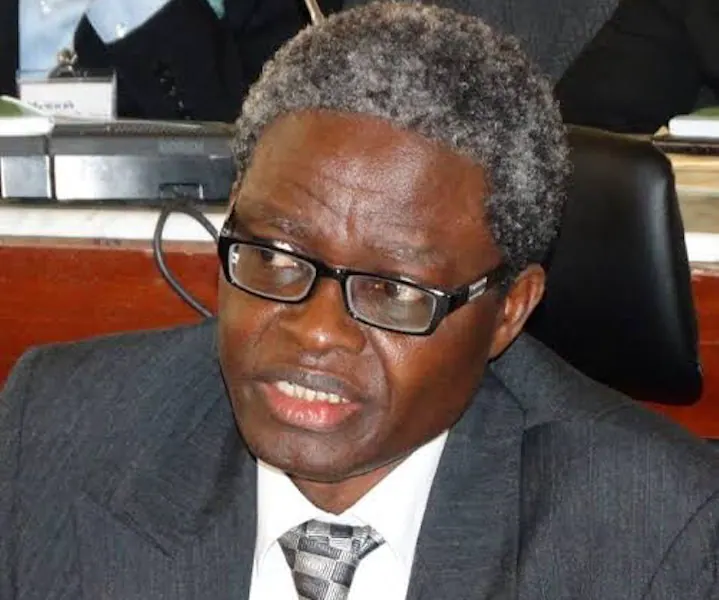
On September 30, 2026, Bola A. Akinterinwa delivered a lecture on "The Evolving Global Order and the Future of International Law: Robotics Diplomacy as a New Definiendum" at the Nigerian Institute of International Affairs (NIIA). Despite struggling with breathing difficulties, Akinterinwa chose to continue with the lecture, fearing that stopping would be a dereliction of duty. His decision was motivated by a sense of responsibility to share his insights on the evolving global order and its implications for international law. The lecture was part of the Foreign Policy Lecture Series at the NIIA.
Akinterinwa's health struggles began when he was preparing for the lecture, having had inadequate sleep for a week due to daily breaking news related to the topic. During the lecture, he experienced coughing and breathing difficulties, but managed to finish and then faced a barrage of questions from journalists. The press interviews seemed to momentarily distract him from his health issues. After the interviews, Akinterinwa returned home, where his wife, Fehintola, congratulated him on his courage and provided a sumptuous dinner.
The following day, October 1, 2026, Akinterinwa woke up feeling unwell and decided to check his blood pressure and sugar levels. His blood pressure was alarmingly high, reading 170/92. His wife and son-in-law, Francis Ademola Olowu, quickly took him to the 68 Nigerian Army Reference Hospital Yaba (68NARHY), a 500-bed top-tier medical facility that serves both military personnel and civilians. The hospital is located just a 5-minute drive from Akinterinwa's home.
Despite his high hopes for receiving top-notch treatment at the 68NARHY, Akinterinwa's experience was disappointing. He felt that the hospital's treatment was not commensurate with the sacrifices made by military personnel who risk their lives to defend the nation. Akinterinwa was already in a critical condition by the time he arrived at the Emergency Department, and his situation continued to deteriorate.
From the 68NARHY, Akinterinwa was later transferred to the Marigold Hospital in Surulere. The Marigold Hospital is known for providing quality healthcare services, and Akinterinwa's transfer to this hospital marked a turning point in his treatment. His experience at the 68NARHY had left him disillusioned with the prioritization of military personnel's healthcare.
Akinterinwa's ordeal highlights the limitations of foreign policy intellection in the absence of good health. His dedication to sharing his insights on international law and diplomacy led him to compromise his health, underscoring the need for individuals to prioritize their well-being. The incident also raises questions about the healthcare system in Nigeria, particularly with regards to the treatment of military personnel and civilians.
The incident has sparked a national conversation about the need for improved healthcare infrastructure and prioritization of citizens' health. As Nigeria continues to navigate complex global issues, the importance of maintaining a healthy and robust citizenry cannot be overstated. Akinterinwa's experience serves as a reminder of the need for a balanced approach to foreign policy intellection and personal health.
Key points
- Nigerian academic Bola A. Akinterinwa's health crisis highlights the challenges of prioritizing foreign policy intellection over personal health.
- Akinterinwa's experience at the 68NARHY was disappointing, leading to his transfer to the Marigold Hospital in Surulere.
- The incident raises questions about Nigeria's healthcare system, particularly with regards to the treatment of military personnel and civilians.