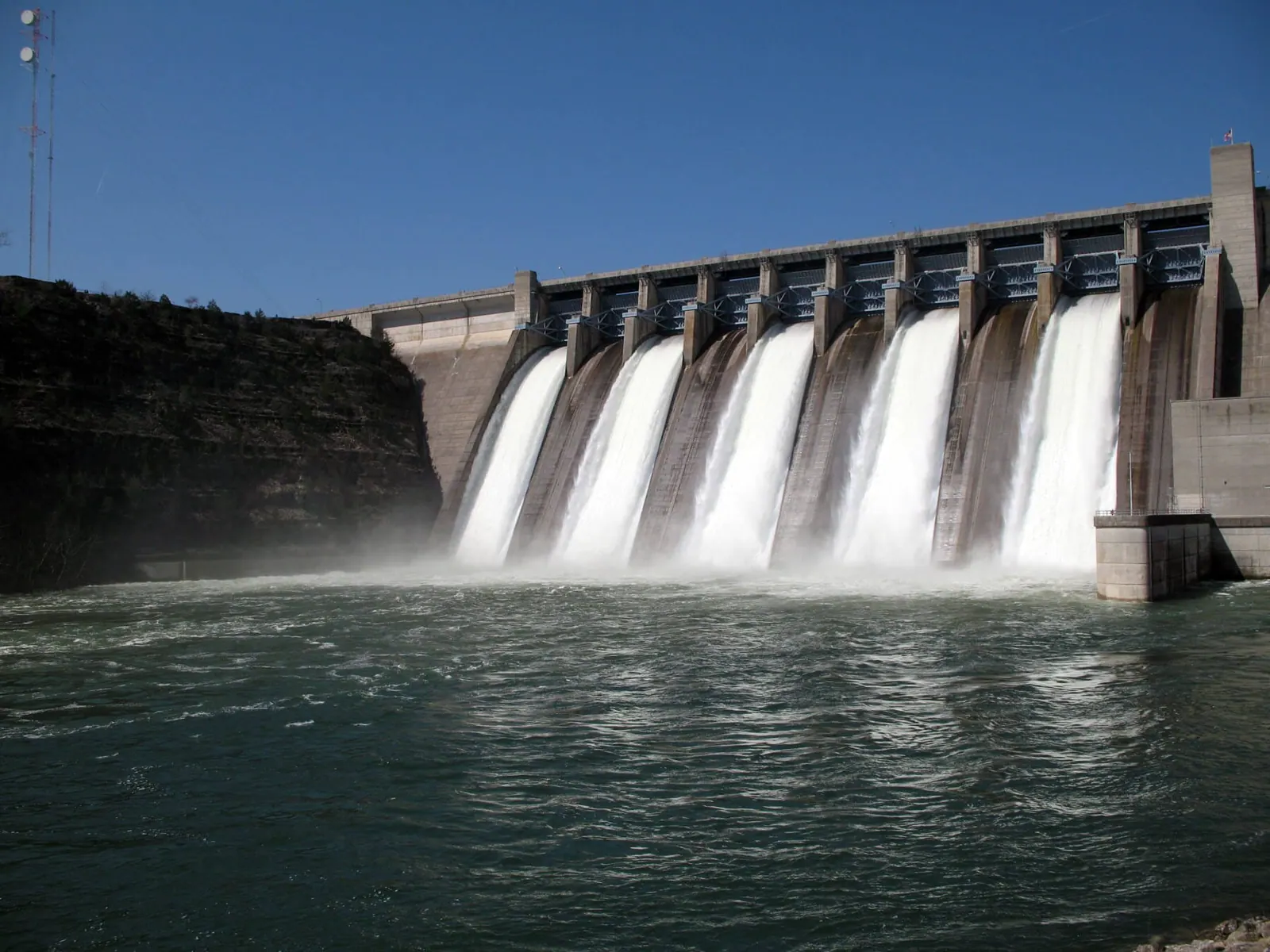
In a significant development, an International Chamber of Commerce tribunal in Paris has dismissed a $3.38 billion claim by Sunrise Power and Transmission Company Limited, paving the way for Nigeria to move forward with the long-delayed Mambilla Plateau Hydroelectric Power Project. The project, which aims to generate 3,050 megawatts of electricity, has been stalled for nearly two decades due to a protracted legal dispute. The tribunal's decision has brought relief to Nigeria, saving the country from a potentially crippling liability.
The dispute dates back to 2003, when Nigeria's then Minister of Power, Olu Agunloye, awarded the contract for the Mambilla Power Project to Sunrise without the approval of then-President Olusegun Obasanjo. The irregular award triggered a prolonged legal dispute, preventing China Gezhouba Group Corporation from commencing full-scale work on the project in 2007. Despite the clearing of the project site and compensation paid to affected communities, the arbitration battle stalled progress.
The Mambilla Power Project is crucial to Nigeria's power sector, as the country continues to suffer from a crippling energy deficit. Active on-grid generation currently hovers around 4,000 to 5,400 megawatts, a fraction of the estimated national demand of between 13,000MW and 30,000MW. The persistent collapse of the national electricity grid has plunged the country into darkness, forcing domestic industries and companies to rely heavily on expensive diesel, petrol, and solar alternatives.
The Sunrise case is not an isolated incident, as Nigeria has faced several dubious contracts that have exposed the country to significant liabilities. A similar case involved Process and Industrial Developments Limited, which claimed to have secured a contract to build a gas-processing facility in Cross River State. Nigeria was accused of failing to supply the gas feedstock, and P&ID sought damages of over $11 billion. However, investigations revealed that P&ID had obtained the contract through fraudulent means, including bribing Nigerian officials.
The Economic and Financial Crimes Commission has consistently pointed to dubious civil servants and political leaders as collaborators with those who sought to defraud Nigeria. This revelation undermines the principles of nationalism and patriotism that should guide public service. It is imperative that all individuals involved in such crimes be called out, named, and shamed, with appropriate prosecutions pursued to serve as a deterrent to others.
The Nigerian government must capitalize on the tribunal's decision and immediately re-engage the Chinese company to mobilize back to the project site. The project, estimated to cost $5.792 billion in 2007, will undoubtedly require significantly more resources to complete due to inflation and rising construction costs. The delay has not only lost valuable time but also tarnished Nigeria's image abroad, discouraging foreign investors and raising doubts about the country's ability to manage large-scale infrastructure projects transparently.
With the single biggest legal hurdle impeding the Mambilla Power Project now cleared, Nigeria can finally move forward with the project, which has the potential to permanently unlock thousands of megawatts of electricity for national development. The federal government must do everything possible to ensure that the project is realized, as it is crucial to addressing the country's crippling energy deficit and promoting economic growth.
Key points
- The International Chamber of Commerce tribunal's decision dismisses a $3.38 billion claim by Sunrise Power and Transmission Company Limited.
- The Mambilla Power Project aims to generate 3,050 megawatts of electricity and address Nigeria's crippling energy deficit.
- The project has been stalled for nearly two decades due to a protracted legal dispute.