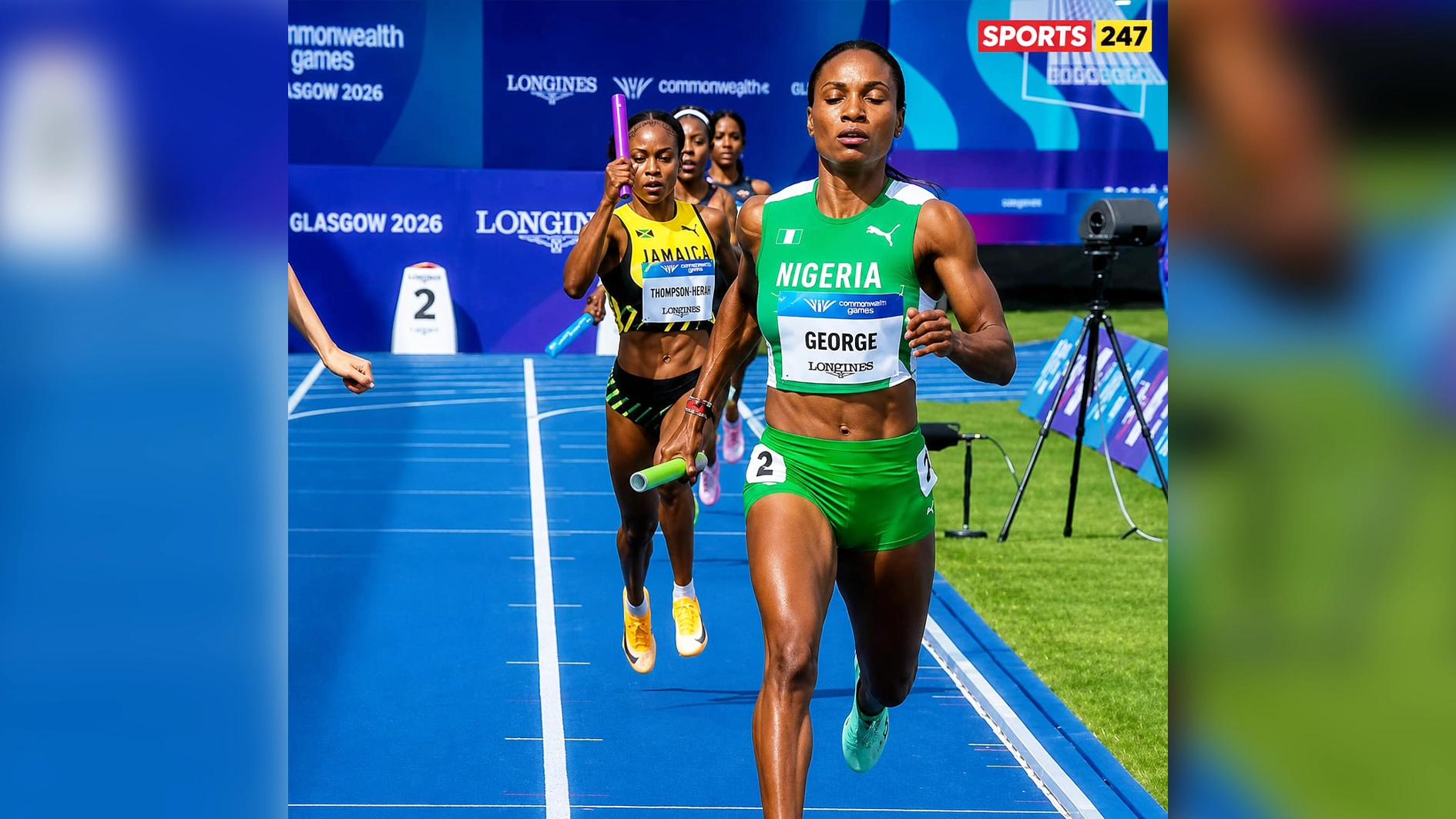
Nigeria has an abundance of sporting talent, but the country lacks a sufficiently integrated system for developing, protecting, and converting that talent into sustainable value. Modern sport management has evolved beyond organising competitions and managing teams to include athlete welfare, sports science, data analytics, safeguarding, technology, commercialisation, governance, education, marketing, and career development. By adopting this broader approach, Nigeria could transform its sport sector from a largely talent-driven industry into a sustainable professional one.
Nigerian athletes face numerous challenges, including inadequate facilities, inconsistent funding, limited sports-science support, weak grassroots pathways, safeguarding concerns, poor career planning, and inadequate transition programmes. Many athletes also migrate internationally in search of better opportunities, but often face exploitation, poor representation, contractual difficulties, cultural adjustment, and inadequate welfare support. These realities highlight the need for athlete-centred contemporary sport management in Nigeria.
A proposed National Athlete Development and Management Framework in Nigeria would connect grassroots sport, schools, universities, clubs, federations, and professional opportunities. The framework would be underpinned by five priorities: professionalising sports management, establishing athlete-centred support teams, building stronger university-to-professional pathways, strengthening athlete protection and representation, and making sport commercially sustainable. This model aims to provide a coordinated approach to athlete development and management.
Professionalising sports management is crucial, and sport administrators should receive recognised training in governance, finance, safeguarding, marketing, athlete relations, event management, and sports law. Sporting organisations should be managed by qualified professionals rather than relying on informal administrative structures. Additionally, athlete-centred support teams would provide elite and emerging athletes with access to coaches, sport psychologists, physiotherapists, nutritionists, medical professionals, performance analysts, career advisers, and regulated representatives.
Technology can help Nigeria overcome structural limitations, and digital platforms can improve talent identification, athlete development, and commercial sustainability. A transparent national athlete database, subject to privacy and governance safeguards, could help federations identify emerging talent and monitor athlete development. Digital platforms can also enable Nigerian athletes to build international visibility and attract legitimate sponsors without relying on traditional gatekeepers.
A modern sport management system would create benefits across the sporting ecosystem, including better preparation, protection, representation, education, and career opportunities for athletes. Coaches and performance staff would gain better information and professional support, while universities and clubs would gain stronger talent-development and recruitment systems. Federations would gain improved athlete monitoring, governance, and international competitiveness, and sponsors and investors would gain professional platforms with measurable commercial returns.
To achieve this, Nigeria should move from reactive sports administration to proactive sports management, with government providing policy, infrastructure, and regulation, and federations, universities, clubs, and private investors contributing to a collaborative system. The country's contemporary model must reflect its economic, cultural, and institutional realities while maintaining internationally credible standards of governance, safeguarding, and athlete welfare. The goal is to build a system where Nigerian athletes can develop, compete, earn, remain protected, and build sustainable careers.
Key points
- Nigeria's sporting talent is hindered by inadequate facilities, inconsistent funding, and poor career planning.
- A modern sport management approach could transform Nigeria's sport sector into a sustainable professional industry.
- Technology can help Nigeria overcome structural limitations and improve talent identification, athlete development, and commercial sustainability.