Nigeria's persistent power crisis has created a thriving market for decentralized solar solutions. The country's unreliable grid power has forced millions of businesses to rely on costly diesel and petrol generators, disrupting operations and driving up costs. This has led to a surge in demand for alternative energy sources, with solar emerging as a viable option. As a result, companies like PowerGen are investing in solar and mini-grids to provide more reliable electricity at scale.
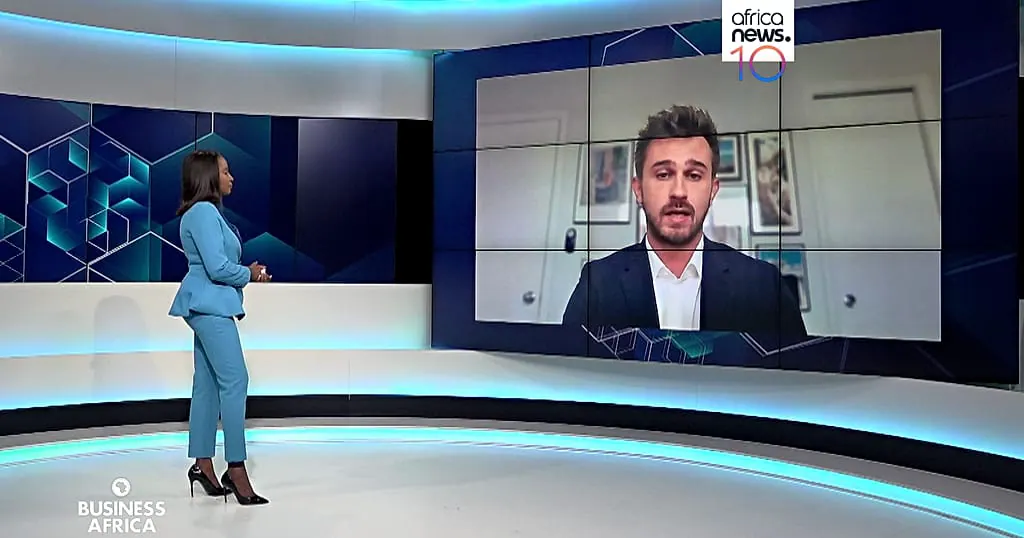
The high cost of diesel and petrol generators has become a significant burden for Nigerian businesses. With the country's grid power struggling to meet demand, companies are seeking alternative solutions to ensure continuity and reduce costs. Solar power has become an attractive option, with many businesses and households investing in solar panels and mini-grids. According to Connor Shine, Director at Delphos, commercial solar can now compete with generators, offering a more reliable and cost-effective solution.
One of the major challenges facing clean-energy investment in Africa is currency volatility. Fluctuations in local currencies can increase the cost of imported equipment and complicate the repayment of dollar-denominated financing. To manage these risks, Delphos structured its financing for the PowerGen deal carefully. The company's approach to managing currency risk has raised questions about whether similar financing models could help accelerate decentralized energy investment in other African markets.
Countries such as Kenya, Ghana, and the Democratic Republic of Congo are also looking to expand access to reliable electricity, creating potential opportunities for distributed energy solutions. As the demand for electricity grows, the need for innovative financing models and decentralized energy solutions will become increasingly important. With the right approach, solar power can help bridge the energy gap in Africa, providing reliable and affordable electricity to businesses and households.
The potential for decentralized energy solutions extends beyond Nigeria, with other African countries facing similar challenges. In Togo, for example, the government is working to strengthen economic ties with Russia, with a focus on expanding investment and trade. While trade between the two countries remains modest, closer political relations could translate into significant commercial opportunities for Togo and West Africa.
Africa's digital transformation is also accelerating, with 83 percent of connected Africans now going online every day. The continent's mobile coverage gap has fallen from 50 percent in 2016 to less than 15 percent today, driven by sustained investment in telecommunications. As connectivity expands, the next challenge is turning greater digital access into broader economic opportunity.
As Africa continues to invest in clean energy and digital infrastructure, the focus will shift to ensuring that these investments translate into tangible economic benefits. With the right approach, decentralized energy solutions and digital transformation can help drive economic growth and development across the continent. By leveraging innovative financing models and technologies, Africa can unlock its full potential and create a brighter future for its citizens.
Key points
- Nigeria's power crisis drives growth in decentralized solar market
- Currency volatility poses significant challenges to clean-energy investment in Africa
- Africa's digital transformation is accelerating, with 83 percent of connected Africans now going online daily