The Nigerian government has introduced a blended funding model to finance community-owned telecom towers and rural networks in areas with little or no connectivity. This approach combines public telecom, electricity, and state government resources. The goal is to address the persistent challenge of extending connectivity into communities where conventional commercial investment is difficult to justify. The Universal Service Provision Fund (USPF), Rural Electrification Agency (REA), and state governments will play complementary roles in securing funding for the infrastructure within six months.
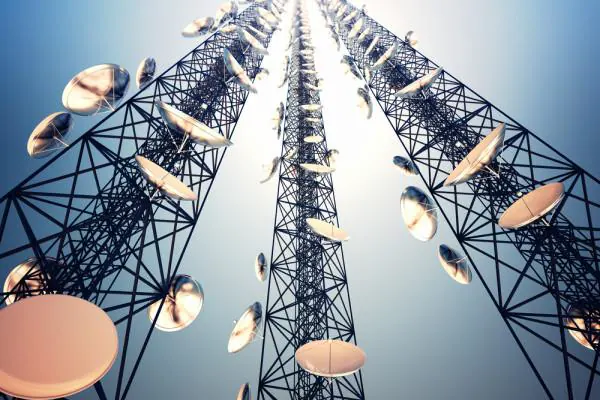
Under the proposed structure, the USPF will finance telecommunications components, including towers, base stations, and core infrastructure for zero-connectivity communities. The REA will provide funding for the energy component, such as solar mini-grids and solar panels, while state governments will provide land, security, and Right of Way. This model represents a shift from the traditional approach where a mobile network operator or government agency owns and operates rural infrastructure entirely. Instead, communities will establish cooperatives to own and maintain the facilities, share revenues, and ensure the assets remain operational.
The blended financing model reflects the reality that connectivity in remote communities is not solely a telecom infrastructure problem. A tower without reliable electricity cannot deliver consistent mobile services, and a solar-powered site without adequate backhaul cannot provide meaningful broadband connectivity. By integrating the USPF and REA into the same financing structure, the government aims to address both constraints simultaneously. The Nigerian Communications Commission (NCC) and REA have already signed a memorandum of understanding to coordinate their projects and mapping for rural connectivity initiatives.
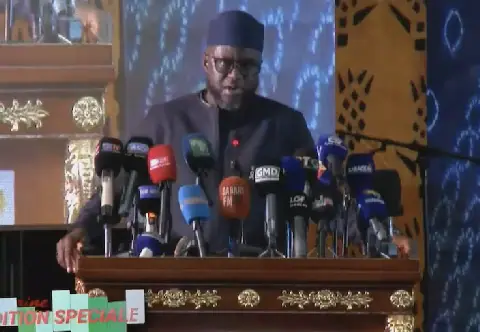
Stakeholders at the Nigeria Digital Connectivity Investment Forum called for stronger regulatory backing for the USPF as the primary funding channel for underserved-area connectivity. They emphasized the need for blended public and multilateral financing, as telecom infrastructure is long-term capital-intensive. Participants argued that assets with an economic life of 20 to 30 years cannot be sustainably financed predominantly through conventional five-year bank lending. Nigeria's infrastructure financing has grown substantially, from less than N70 billion in 2004 to N19.4 trillion in 2025.
The community ownership proposal comes as the Federal Government prepares to expand physical connectivity in underserved communities. The planned rollout of about 3,700 towers is expected to commence in October, with an initial target of deploying 200 towers by December 2026. The programme will work alongside other connectivity initiatives, including shared rural networks, satellite connectivity, micro-cabling, and solar-powered rural sites. Stakeholders also urged the government to accelerate Project BRIDGE, the planned 90,000-kilometre national fibre backbone.
The expansion of network infrastructure will not automatically translate into greater internet usage. According to NCC figures, mobile broadband coverage has reached about 90 percent of Nigerians, while smartphone ownership remains around 27 percent and broadband penetration stands at 57.4 percent, below the government's 70 percent target. This creates a distinction between the coverage gap and the usage gap. The new infrastructure is primarily designed to bring networks to people who do not have adequate coverage.
The emerging strategy links three elements: infrastructure, energy, and affordability, rather than treating rural connectivity as a tower-building exercise. If successfully implemented, the community ownership model could give rural users a financial stake in the infrastructure serving them, potentially creating an incentive to protect the assets and sustain their operations. The larger test will be whether Nigeria can turn blended financing into commercially and socially sustainable networks and ensure that the people living around those towers can afford to use them.
Key points
- The Nigerian government has set a six-month target to secure funding for community-owned telecom towers and rural networks.
- The blended funding model combines public telecom, electricity, and state government resources to finance infrastructure in areas with little or no connectivity.
- The planned rollout of about 3,700 towers is expected to commence in October, with an initial target of deploying 200 towers by December 2026.