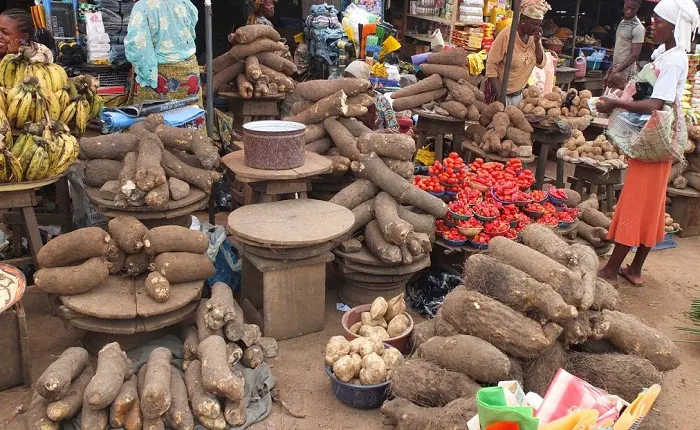
Nigeria is struggling with a severe hunger crisis 66 years after gaining independence. An estimated 30.6 to 35 million people are experiencing acute hunger, with the country ranking 115th out of 123 countries on the Global Hunger Index (GHI). This puts Nigeria in the "serious" category of hunger levels. According to the Hunger and Malnutrition Statistics, approximately 19.9% of Nigeria's total population is undernourished.
Child malnutrition is also a significant concern in Nigeria. About 32% to 33.8% of children under the age of five suffer from stunting (chronic malnutrition), and around 11.6% experience wasting (acute malnutrition). Millions of children in the northern states are suffering from severe acute malnutrition, which is exacerbated by rising food inflation, high transport costs, and insecurity.
The Action Against Hunger (AAH) organization attributes the alarming hunger figures to insecurity, including ongoing conflicts and insurgencies in the northeast and armed banditry in the northwest and north-central regions. These factors prevent farmers from accessing their farms, leading to food shortages. Economic shocks, such as sharp increases in fuel and transportation costs, and currency depreciation, have also contributed to the crisis.
The high cost of a healthy diet has nearly doubled since 2023, making it difficult for many Nigerians to afford basic nutritious food items. Humanitarian funding shortages have also limited emergency food distributions during lean seasons. The World Food Programme, for example, is facing steep resource constraints, further exacerbating the crisis.
Food security challenges in Nigeria include insufficient agricultural inputs, limited access to financial resources, post-harvest losses, and extreme climate shifts. Poor rural infrastructure severely disrupts local farming and food distribution, while food loss and waste contribute to food insecurity. Each year, nearly 15 million metric tons of food are lost or wasted in Nigeria.
Experts suggest that improving agricultural productivity is crucial to resolving Nigeria's socioeconomic problems. With over 50% of the country's population dependent on agriculture, irrigation offers huge potential. Studies have shown that improvements in irrigation schemes can enhance the living standards of farming communities, reduce poverty, and improve food security status.
To address food security challenges, Nigeria needs to enhance agricultural productivity, improve irrigation efficiency, and increase crop-water productivity. This can be achieved through technical training, research and development promotion, good governance, and public-sector management. Access to high-quality marketing opportunities and the adoption of contemporary agricultural technologies are also essential to achieving success in the agricultural sector.