Nigeria recently participated in the 138th session of the International Maritime Organisation (IMO) Council in London, held from 2 to 6 November 2026. The country's delegation, led by Minister of Marine and Blue Economy Adegboyega Oyetola, discussed international shipping, maritime security, seafarers' welfare, and the protection of global shipping lanes. This engagement highlights the importance of maritime security for Africa's economic prospects, which are closely tied to the safety of its waters.
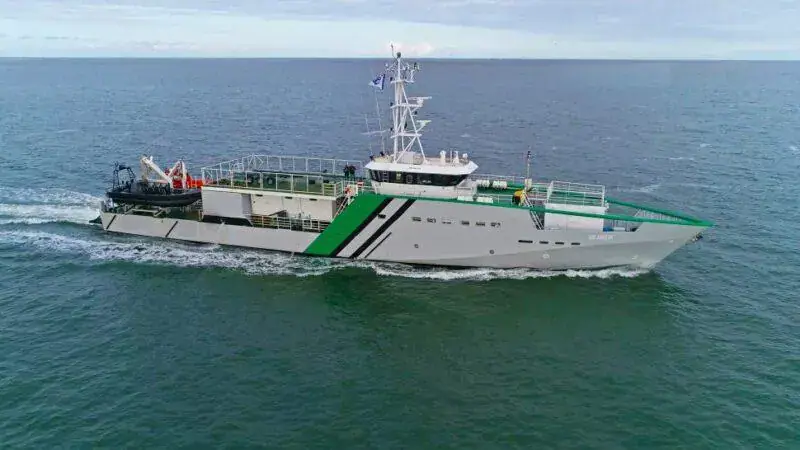
The Gulf of Guinea is a vital maritime corridor for international commerce, connecting African producers and consumers to global markets. However, threats such as piracy, armed robbery at sea, and other maritime crimes can increase shipping risks, disrupt commercial operations, and undermine investor confidence. In response, Nigeria developed the Deep Blue Project, a coordinated effort to address maritime insecurity. The project combines maritime, aerial, and land-based assets with surveillance and operational capabilities to support security operations across Nigeria's maritime domain.
Nigeria's participation in the IMO Council session emphasized the need for stronger international cooperation, improved protection for seafarers, and more effective responses to security threats affecting commercial vessels. Oyetola also highlighted the importance of safeguarding seafarers' rights, including preventing arbitrary detention and abandonment, supporting safe repatriation, and protecting their mental well-being. These concerns reflect a broader understanding that the future of international shipping depends on secure vessels and trade routes, as well as the safety and dignity of people working at sea.
Nigeria's engagement at the IMO carries institutional significance, as the country sits on the council as a Category C member. This membership represents states with special interests in maritime transport and navigation, providing an avenue for Nigeria to contribute to international maritime policy and advance the interests of developing maritime nations. Nigeria's participation also offers an opportunity to advance a wider African position on maritime security.
The discussion on maritime security has implications beyond Nigeria's national maritime interests, as coastal economies depend on secure ports, predictable shipping operations, and reliable maritime infrastructure to sustain trade, attract investment, and strengthen regional integration. The African Continental Free Trade Area also underscores the importance of efficient transport and logistics networks. As countries seek to expand intra-African trade, maritime security will remain essential to moving goods safely and reducing commercial risks.
However, presenting a security framework internationally is only one part of the task. Sustained progress requires transparent performance measurement, continued investment in maritime capabilities, effective prosecution of maritime crimes, and deeper cooperation among Gulf of Guinea states. Nigeria's engagement at the IMO provides an opportunity to advance a wider African position: that maritime security is not merely a national enforcement issue, but an essential foundation for trade, economic resilience, and sustainable development.
The long-term objective should be a Gulf of Guinea in which safer waters support stronger commerce, more competitive ports, and greater confidence in Africa's role in global shipping. By sharing its experience with the Deep Blue Project, Nigeria aims to contribute to a more secure and prosperous maritime environment in Africa. This effort will require continued collaboration and cooperation among African nations and international partners to address the complex challenges facing maritime security in the region.
Key points
- Nigeria's participation in the IMO Council session highlights the country's commitment to strengthening maritime security in Africa and promoting international cooperation.
- The Deep Blue Project serves as a model for addressing maritime insecurity in the Gulf of Guinea and other regions.
- Maritime security is essential for Africa's economic development, trade, and regional integration.
Reporting sources
- Nigeria Takes Deep Blue Experience to IMO: Strengthening Africa’s Maritime Security Role · African Leadership Magazine