With Nigeria's 2027 general elections approaching, concerns are growing over a surge in violent attacks on opposition leaders and their supporters. Retired Assistant Inspector General of Police, Nwazue Arungwa, and other prominent politicians have raised the alarm over these developments. Arungwa, now a grassroots politician in Abia State, has called for caution among politicians and stressed the need for a violence-free election. He described the current trend as very serious and lamented that political campaigns in Nigeria are often characterised by hate speech.
Several opposition leaders have been targeted in violent attacks in recent days. The African Action Congress (AAC) presidential candidate, Omoyele Sowore, and his team were violently attacked and injured by suspected thugs. Similarly, the Nigeria Democratic Congress (NDC) presidential candidate and his entourage were stopped by violent thugs on their way to Calabar for a political campaign. Some governors and leaders of the ruling All Progressives Congress (APC) have been captured on video warning their supporters not to allow opposition leaders to enter their states to canvas for votes or hold rallies.
Analysts blame the ruling party supporters for the violence and urge the Independent National Electoral Commission (INEC) and security agencies to take action. Arungwa suggested that a framework adapted to Nigeria's peculiar electoral landscape is needed to ensure a violence-free election. This could include enforcing state neutrality, neutral security deployment, and strengthening electoral offences prosecution. He also stressed the importance of a vibrant civil society, media vigilance, and active deployment of election observers.
Chief Martin Onovo, a seasoned politician and 2015 presidential candidate of the National Conscience Party (NCP), put the blame squarely on the APC. He described the ruling party as dictatorial and claimed they had fraudulently imposed themselves on Nigerians in 2023 after losing the election. Onovo stated that the APC is desperate to violently intimidate the opposition and rig the elections as Nigerians have loudly and roundly rejected them.
Human rights lawyer Barrister Olalekan Festus Ojo stated that the threats have become alarming because they come from office holders who should restrain their supporters. Ojo cited several instances of threats and violence, including a Borno commissioner threatening to break the fingers of those who campaign against the APC. He urged security agencies to investigate and prosecute offenders regardless of party and for INEC and the National Peace Committee to publicly name violators.
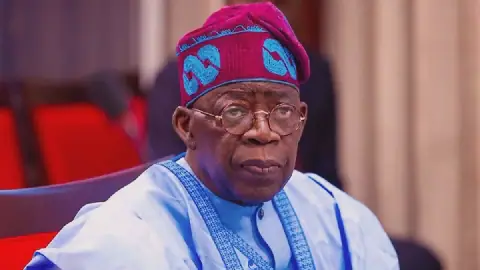
Other politicians and stakeholders have also condemned the violence and called for action. Chief Kenneth Udeze, the National Chairman of Action Alliance, described the threats as dangerous and undemocratic. He urged President Bola Tinubu, INEC, security agencies, and the National Peace Committee to call these actors to order and allow every party to campaign freely. Dr. Victor Mathew, a security expert, stated that the APC's attitude is dangerous, anti-democratic, and a danger signal to the survival of Nigerian democracy.
The situation remains a concern as the election campaigns intensify. With the rising violence and tensions, there are fears that Nigeria may experience another cycle of bloodshed. Stakeholders are calling for a return to issue-based campaigns and for votes, not violence, to decide the 2027 elections. The international community and Nigerians alike are watching closely to see if the authorities can take decisive action to prevent further escalation of violence and ensure a peaceful and credible election.
Key points
- Analysts blame the ruling party supporters for the violence and urge INEC and security agencies to take action.
- Several opposition leaders have been targeted in violent attacks in recent days.
- Stakeholders are calling for a return to issue-based campaigns and for votes, not violence, to decide the 2027 elections.
Reporting sources
- Nigeria Returns To Stormy Nigeria Returns To Stormy Election Campaigns · Independent Nigeria