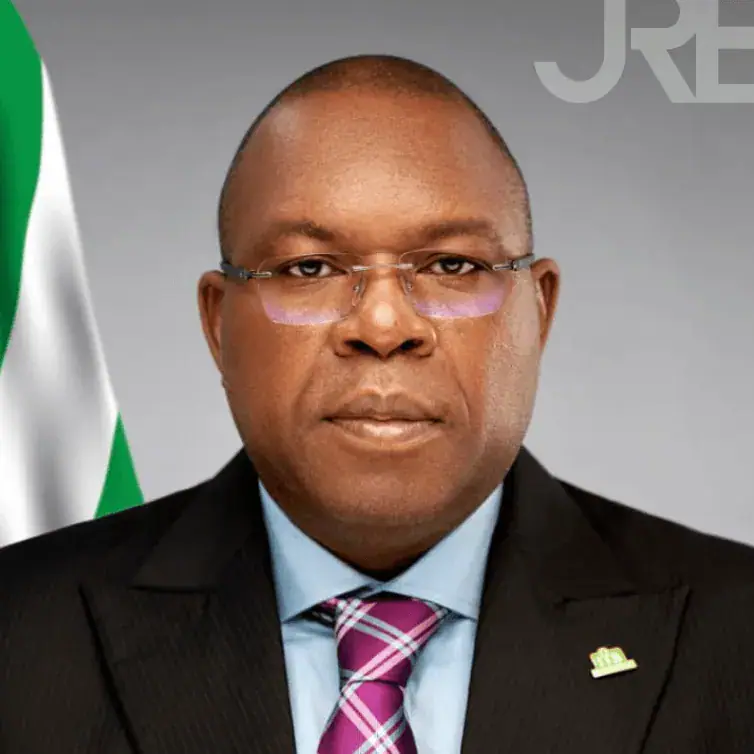
Nigeria has recorded a 27% increase in tax revenue generated by 23 states between January and June 2026, compared to the same period in 2025. This was announced by Olusegun Adesokan, Executive Secretary of the Joint Revenue Board (JRB). The revenue growth is attributed to efforts to improve tax administration, expand the tax base, and ensure high-income earners pay their fair share.
Adesokan highlighted that 21 states have adopted the harmonized taxes and levies framework, designed to tackle multiple taxation and promote uniformity in revenue administration. The framework was developed in collaboration with the Presidential Committee on Fiscal Policy and Tax Reforms. This initiative aims to reduce the burden of multiple taxation on businesses and individuals while making the tax system simpler and more transparent.
The harmonization initiative is based on the principle of taxing prosperity, not poverty. The government focuses on ensuring that people with greater financial capacity contribute to national development. According to Adesokan, data from 23 states shows that about 92% of income earners are paying lower taxes or no personal income tax under the new regime.
The reforms are also supported by the introduction of a National Tax Identification Number (Tax ID), developed in collaboration with the Nigerian Revenue Service (NRD) and state internal revenue services. This unified Tax ID enables revenue authorities to access and verify taxpayers' records across state boundaries, reducing difficulties associated with verifying tax compliance.
Adesokan disclosed that the board is working with relevant authorities, including the police, to address illegal levies and activities contributing to high transportation costs. The board has issued guidelines to promote uniform tax administration and is working with state authorities to improve compliance with the harmonized framework.
The JRB, formerly known as the Joint Tax Board (JTB), received an expanded statutory mandate under the Joint Revenue Board Establishment Act 2025. This includes the harmonization of taxes and levies, resolution of disputes between tax authorities, and coordination of tax-related data across the federation.
Adesokan emphasized that the success of the new tax regime should be measured by its ability to support business growth, generate employment, and improve the welfare of Nigerians. The reforms aim to put more money into the pockets of Nigerians, encourage businesses to expand, create jobs, and improve economic activities.
Key points
- Nigeria records 27% increase in tax revenue from 23 states between January and June 2026.
- 21 states adopt harmonized taxes and levies framework to tackle multiple taxation.
- New tax regime aims to support business growth, generate employment, and improve welfare of Nigerians.