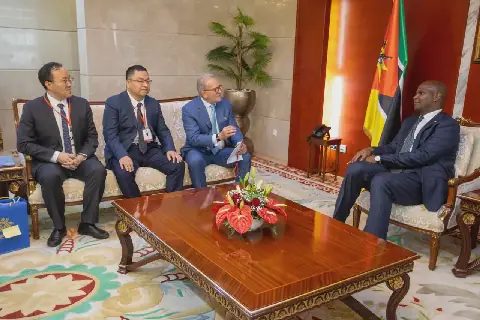
The Nigerian Maritime and Offshore Technology Association (NIMENA) is seeking a strategic partnership with Singapore to strengthen Nigeria's maritime industry, promote indigenous technological innovation, and unlock the country's blue economy potential. This move follows an engagement between the Nigerian High Commission in Singapore and a delegation of Nigerian maritime professionals. The partnership aims to adapt Singapore's maritime development models to Nigeria's marine and offshore sectors.
The Nigerian High Commission has expressed its readiness to facilitate institutional partnerships between Nigerian professional organizations, Singaporean agencies, and relevant government ministries in Nigeria. However, it clarified that its support will not involve direct financial assistance but will focus on providing strategic connections, facilitating policy engagement, and opening opportunities for technical cooperation and knowledge exchange. The Commission encouraged the delegation to submit formal reports, policy documents, and portfolios of its ongoing initiatives.
The delegation explained that its engagement with Singapore is aimed at identifying practical models that can be adapted to Nigeria's maritime industry, particularly in research, technical capacity development, innovation, and enterprise support. The group is working with Plug and Play to develop research and industry trend reports designed to provide a unified framework for government agencies operating within the energy and maritime sectors. A major component of the initiative is the proposed implementation of the Ecosystem Compatibility Model (ECM).
The professionals emphasized the need to strengthen collaboration among academia, industry, and government, noting that institutional fragmentation and the tendency of government agencies to operate in silos could undermine efforts to achieve sustainable development in the maritime sector. They also identified technical capacity development through the Centre for Marine and Offshore Technology Development as a critical component of their agenda. The initiative is expected to support the development of indigenous expertise and research.
The delegation raised concerns about technical challenges affecting the effective utilization of existing maritime infrastructure, citing the Baro Inland Port as an example of the need to complement infrastructure investment with adequate technical planning. It stressed the importance of conducting comprehensive bathymetric surveys to understand fluctuations in water levels and navigational conditions, particularly during the dry season. The effectiveness of maritime infrastructure depends not only on physical construction but also on reliable technical data and appropriate engineering solutions.
The delegation called for greater reliance on research and data-driven recommendations in shaping maritime policies, particularly local content regulations and the development of indigenous technical expertise required for deep-sea exploration. They identified stronger institutional relationships between the Nigerian Ports Authority and Singapore's port administration as an important step towards improving operational standards and facilitating technical knowledge exchange.
The High Commission urged the delegation to present a comprehensive portfolio of its activities, research initiatives, and proposed partnerships. The discussions highlighted Singapore's coordinated approach to innovation, entrepreneurship, and industrial development, particularly through institutions such as Enterprise Singapore and the Economic Development Board. Participants noted that Nigeria could draw useful lessons from Singapore's startup support frameworks and innovation sandboxes.
Key points
- Nigeria seeks to adapt Singapore's maritime development models to its marine and offshore sectors.
- The partnership aims to promote indigenous technological innovation and unlock the country's blue economy potential.
- The collaboration will focus on research, technical capacity development, innovation, and enterprise support.
Reporting sources
- The Guardian · The Guardian