Nigeria's dwindling position in the global coffee industry has come under scrutiny, with stakeholders calling for stronger farmer cooperatives, improved market access, investment, and a coordinated national policy to revive production. The industry's decline has been attributed to the absence of effective leadership, weak cooperative structures, and poor representation, which have left farmers without adequate support.
The National President of the National Coffee and Tea Association of Nigeria (NACOFTAN), Dr Hassan Kakara, has emphasized the need for Nigeria to confront the factors responsible for the decline of its once-thriving coffee industry. He cited Kenya's organised coffee sector as an example of the importance of strong cooperatives and national representation in developing the industry.
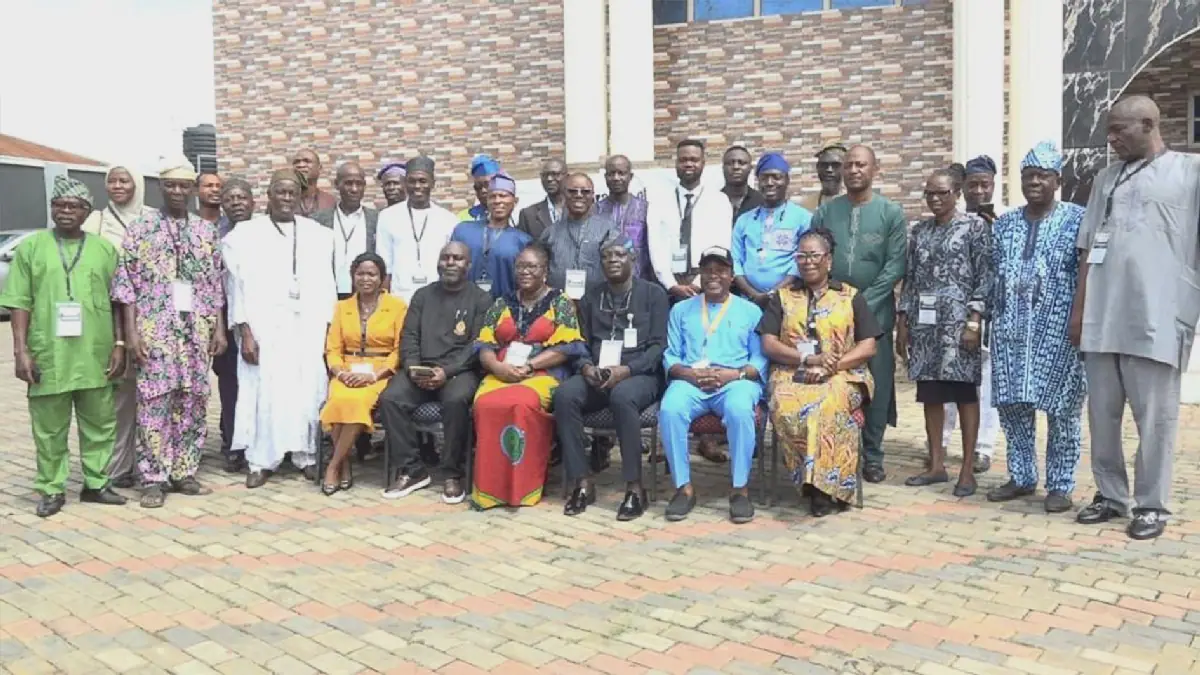
The Coffee Festival International Nigeria, held in Calabar, Cross River State, brought together participants from various countries, including South Africa, Rwanda, Ghana, Namibia, Kenya, Ethiopia, Tanzania, and Brazil. The festival aimed to bridge the gap between farmers, investors, and other players in the industry, creating business relationships and ensuring that producers have access to markets.
The Chief Executive Officer of Lingzhi Global, Blessing Tangtur, stated that Nigeria needed to move beyond promoting coffee consumption to building a functional value chain that connects farmers with processors, buyers, and exporters. She claimed that increased awareness and data collection following the previous festival had raised recorded coffee consumption in Nigeria from fewer than two million to about 12 million.
Cross River State is positioning itself to play a leading role in Nigeria's coffee revival, citing its agroecological conditions and available arable land. The state's Commissioner for Agriculture and Irrigation Development, Johnson Ebokpo, said the development of a sustainable coffee industry required more than increased production, stressing the need for investment in research, quality planting materials, and farmer development.
The state has developed a Coffee Development Roadmap for 2025 to 2032 to provide a strategic framework for rebuilding its coffee value chain. Cross River's four agroecological zones, high rainfall, and extensive arable land offer opportunities for cultivating different coffee varieties, particularly Robusta, which thrives in lowland areas.
The festival's theme, 'Sustainability: Building the Future of Coffee in Nigeria', highlights the need for discussions on rebuilding the country's coffee value chain, attracting investment, improving production, and strengthening access to international markets. The event aims to create employment opportunities, particularly for young people, and contribute to Nigeria's coffee production.
Key points
- Nigeria's coffee industry is in decline due to weak cooperative structures and poor representation.
- Stakeholders are calling for a coordinated national policy to revive production.
- Cross River State is positioning itself to play a leading role in Nigeria's coffee revival.