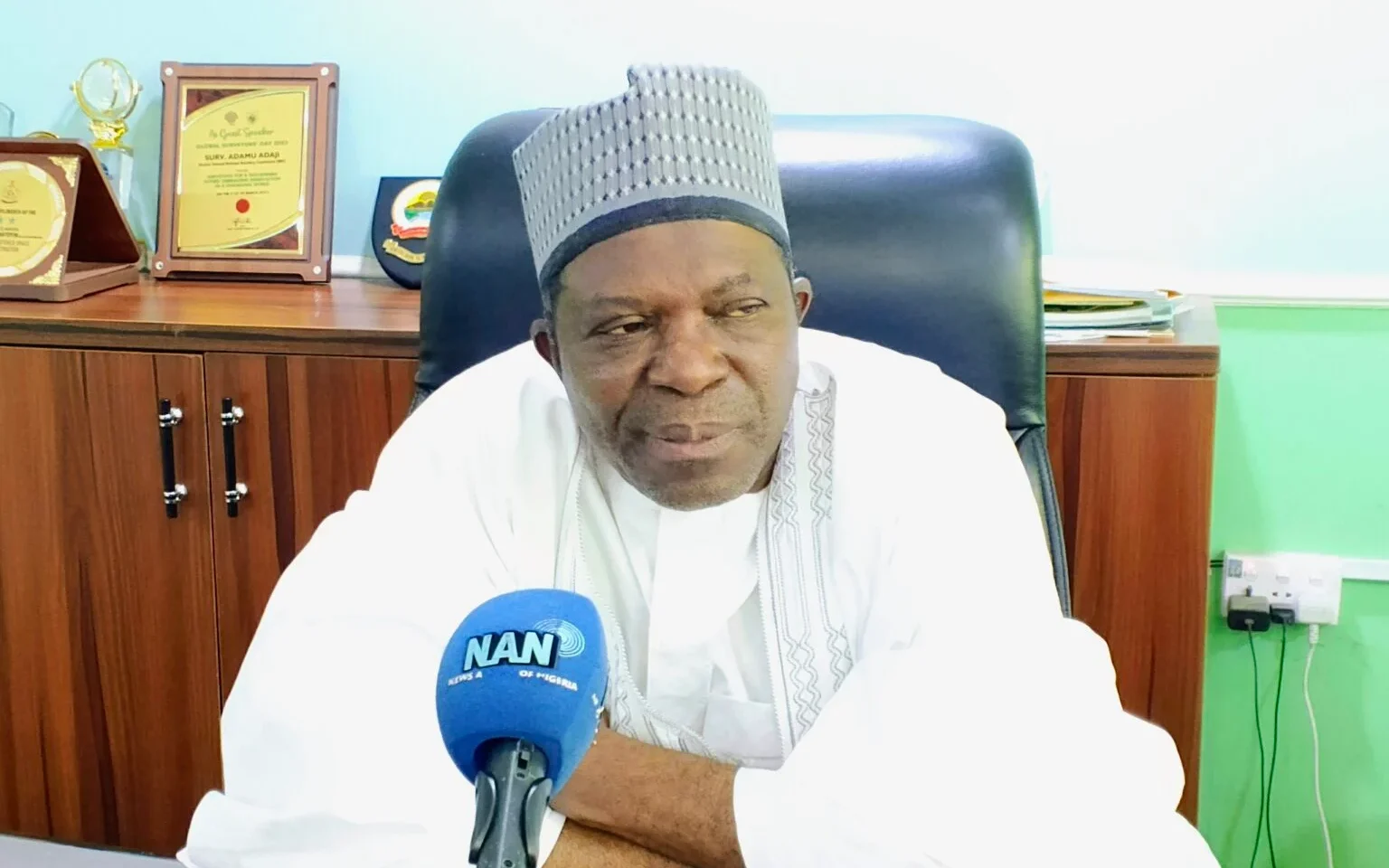
The Nigerian government is working to strike a balance between the ECOWAS Protocol on Free Movement and national security concerns. Director-General of the National Boundary Commission (NBC), Adamu Adaji, outlined this effort in an interview with the News Agency of Nigeria (NAN) in Abuja on Sunday. He emphasized that free movement within the ECOWAS region should not compromise the country's security. According to Mr. Adaji, authorities must know who enters and leaves the country.
The ECOWAS Protocol permits the free movement of goods and persons, while border agencies remain responsible for monitoring activities within Nigeria's territorial limits. Mr. Adaji stressed that people crossing borders should be properly profiled and documented. This, he said, would help prevent legitimate movement from creating opportunities for criminal activities such as terrorism, kidnapping, and arms smuggling. These activities are prevalent in Nigeria's border areas.
Mr. Adaji identified illegal routes as a significant challenge to border management. He urged authorities to identify and profile individuals using these routes. To address this, the NBC boss called for improved surveillance and stronger inter-agency cooperation to reduce and eventually eliminate illegal crossings. This effort would involve security agencies using technology, including surveillance systems and cameras, to monitor difficult areas.
Nigeria has promoted a Cross-Border Cooperation Platform to strengthen understanding, information sharing, and intelligence exchange with neighboring countries. The platform aims to encourage collaboration in securing respective territories. Mr. Adaji emphasized that effective border management requires coordination among security agencies and neighboring countries. This coordination is essential to achieving a balance between free movement and national security.
The director-general highlighted the importance of border communities in detecting and reporting activities that could threaten national security. He said these communities should be supported with necessary infrastructure to encourage their cooperation with authorities and strengthen their sense of belonging. This cooperation is crucial in preventing security threats.
Mr. Adaji stressed that border management should support security, trade, and lawful migration in line with the ECOWAS framework. He emphasized that clearly defined boundaries would enable security agencies to monitor and manage activities without unnecessarily restricting legitimate cross-border movement. This approach would ensure that Nigeria's borders are secure while facilitating free movement.
Stronger coordination among agencies and neighboring countries remains essential to achieving the balance between free movement and national security. Mr. Adaji's comments come as Nigeria continues to navigate the complexities of regional integration and national security. The country's efforts to improve border management will likely have implications for regional trade and security.
Key points
- Nigeria is improving border profiling and documentation to balance ECOWAS free movement with national security concerns.
- The country is promoting a Cross-Border Cooperation Platform to strengthen understanding and cooperation with neighboring countries.
- Effective border management requires coordination among security agencies, neighboring countries, and border communities.