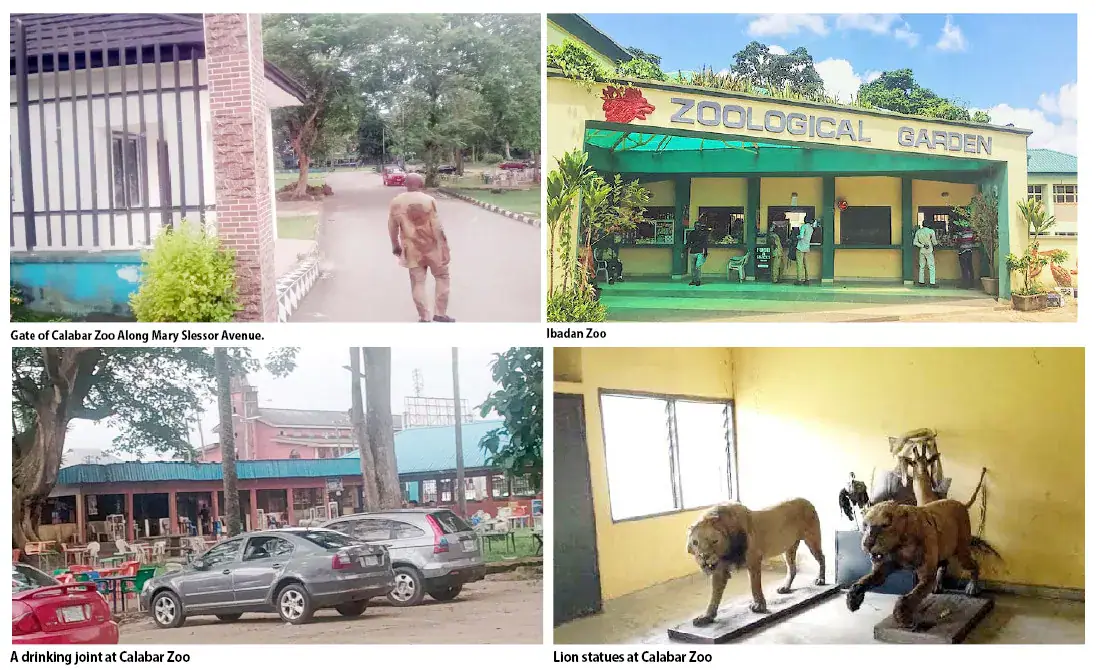
Nigeria's zoos, once vibrant attractions where families gathered to marvel at wildlife, have fallen into neglect. The country's 11 officially recognised state-owned zoos and zoological gardens have either deteriorated or been handed over to private organisations or universities due to disrepair and disuse. A viral video this year highlighted the poor state of a privately owned zoo in Yola, Adamawa State, where visitors were shown animal statues instead of live animals.
The decline of Nigeria's zoological gardens reflects years of poor maintenance, inadequate funding, and dwindling public patronage. A similar experience to Yola was reported at the state-owned Port Harcourt Zoo in Rivers State, where a visitor found a statue of a lion instead of the live animal. LEADERSHIP Sunday investigated the state of some zoos across the country, finding a mixed picture of decay, dwindling animal populations, funding constraints, and efforts to sustain or revive the facilities.
The Port Harcourt Zoo, owned by the Rivers State government, has become a shadow of its former self. Although renovation works began during the administration of former Governor Nyesom Wike and were completed by the current administration, the facility has not recovered. The zoo previously housed a wide variety of animals, including apes, monkeys, alligators, and giraffes, but its animal population has dwindled considerably.
During a recent visit to the Port Harcourt Zoo, it was observed that vegetation had overrun parts of the facility, with trees encroaching on several cages. Only a few animals remained, including monkeys, a giant tortoise, and a peacock. The Permanent Secretary of the Rivers State Ministry of Culture and Tourism, Freddy Ndigbara, declined to comment on the state of the zoo.
The problems facing Nigeria's zoos are not limited to Port Harcourt. Several zoos across the country, including those in Calabar and Yola, have fallen into disrepair. The decline of these zoological gardens has significant implications for conservation and education. Zoos and zoological parks provide opportunities for people to see wild animals in settings designed to resemble their natural habitats.
Efforts are being made to sustain or revive some of the facilities. The renovation of the Port Harcourt Zoo is a step in the right direction, but more needs to be done to address the systemic issues facing Nigeria's zoos. This includes increasing funding, improving maintenance, and promoting public awareness of the importance of conservation.
The prospects for the revival of Nigeria's zoos depend on a concerted effort from governments, private organisations, and the public. With careful planning and management, it is possible to restore these facilities to their former glory and provide a safe and educational environment for visitors to learn about and appreciate wildlife.
Key points
- Many of Nigeria's zoos have fallen into neglect, with crumbling facilities and dwindling animal populations.
- The decline of Nigeria's zoological gardens reflects years of poor maintenance, inadequate funding, and dwindling public patronage.
- Efforts are being made to sustain or revive some of the facilities, including the renovation of the Port Harcourt Zoo.