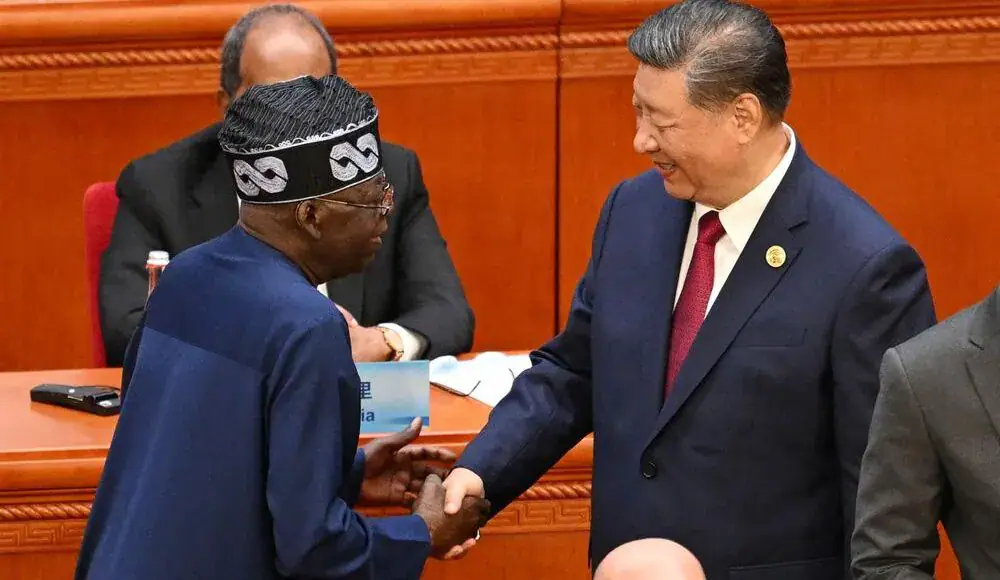
As Nigeria prepares for elections in just over two months, the country's political landscape is being shaped by a cast of powerful figures known as 'godfathers'. These unelected individuals have significant influence over politicians and government policies, often prioritizing their own interests over the needs of ordinary citizens. President Bola Tinubu, who is seeking re-election, is himself known as the 'godfather of Lagos'. This system of patronage has bred a culture of elite hobnobbing and backstabbing, critics say.
The influence of godfathers in Nigerian politics is not limited to behind-the-scenes maneuvering. They often have direct control over public contracts, funds, and government appointments. According to Henry Ekine, a legal activist in Rivers state, godfathers are not just supporters or sponsors, but rather they position themselves in ultimate control. This has led to a culture of corruption and cronyism, with many Nigerians feeling that their leaders are more accountable to their godfathers than to the people.
The impact of godfathers on Nigerian politics is evident in the crisis currently unfolding in Rivers state. The state has been mired in political turmoil, triggered by a dispute between the governor, Siminalayi Fubara, and his godfather, ex-governor Nyesom Wike. Wike, who is close to President Tinubu, reportedly paved the way for Fubara's election in 2023, but the two have since fallen out. The fallout has been severe, with lawmakers loyal to Wike launching multiple impeachment probes against Fubara and allegations of arson and attacks on oil infrastructure.
The crisis in Rivers state has had a devastating impact on citizens. A residential neighborhood on the outskirts of Port Harcourt has been inundated with floodwaters, displacing thousands of residents and shuttering businesses. Residents say they are frustrated with the lack of governance and infrastructure maintenance, which they blame on the infighting between Fubara and Wike. "We need intervention immediately," said Kingsley Obinna Ejikem, a 40-year-old resident. "It's more important than politics. We don't care about politics."
The influence of godfathers in Nigerian politics has also raised concerns internationally. There is an FBI dossier on President Tinubu over alleged links to a drug-trafficking network, which has left many wondering whether Washington has undue influence over the 74-year-old leader. Tinubu has denied wrongdoing in the decades-old drugs case. The existence of such a dossier has fed suspicions on the international stage and raised questions about the accountability of Nigeria's leaders.
The upcoming election in Nigeria will be crucial in determining the future of the country's politics and governance. The influence of godfathers will likely continue to shape the electoral process, but there are also signs of resistance from citizens and civil society leaders. Obinna Ebogidi, a 34-year-old civil society leader, says that citizens are paying the price for the infighting between leaders. "The people who are supposed to be administering governance have instead been so distracted with infighting," he said.
As the election approaches, Nigerians will be watching closely to see whether the country's leaders can prioritize the needs of citizens over their own interests. The international community will also be watching to see whether Nigeria can make progress in addressing its governance challenges. With the influence of godfathers likely to continue, it remains to be seen whether Nigeria can make meaningful progress in promoting accountability and transparency in its politics.
Key points
- The influence of powerful 'godfathers' in Nigerian politics has significant implications for governance and elections.
- The crisis in Rivers state has had a devastating impact on citizens, with many displaced and frustrated with the lack of governance and infrastructure maintenance.
- The upcoming election will be crucial in determining the future of Nigeria's politics and governance, with citizens and civil society leaders pushing for greater accountability and transparency.
Reporting sources
- Inside Nigeria’s shadow state: How ‘godfathers’ shape the upcoming election · African News Agency