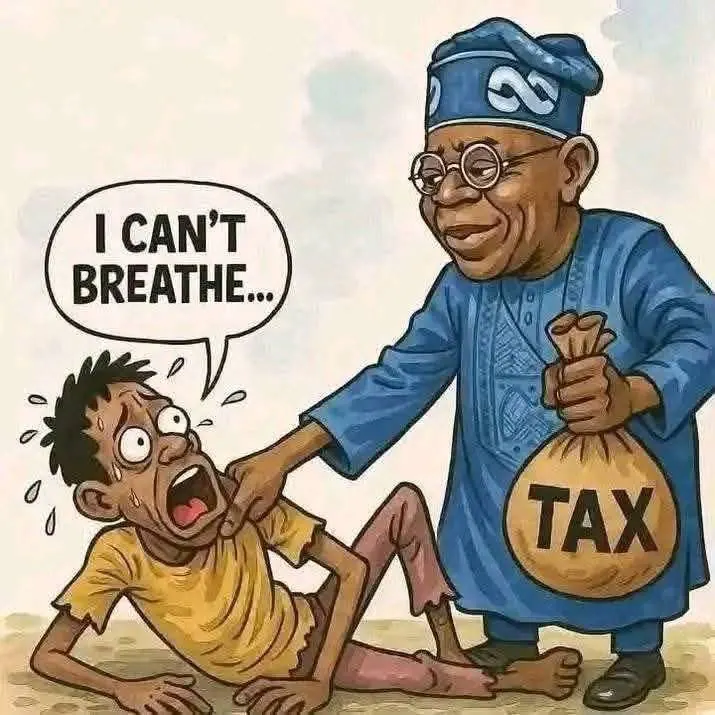
The International Monetary Fund (IMF) has revealed that the Nigerian government has spent approximately ₦8.8 trillion on large projects outside the country's official budgets. This amount, equivalent to about 2% of Nigeria's GDP, was incurred through secretive deals that have raised concerns about procurement processes and oversight. According to the IMF Resident Representative in Nigeria, Christian Ebeke, the unrecorded spending has made the fiscal deficit appear smaller than the actual borrowing that financed it.
The revelation was made on July 1, 2026, when Ebeke addressed business leaders in Lagos. The IMF's statement has been described as the most damning verdict ever passed on a sitting Nigerian government by an international institution. The Fund's report suggests that the Nigerian government has been executing large projects outside the budget, which has led to concerns about transparency and accountability.
The Nigerian economy, valued at ₦441.5 trillion, has been impacted by the secretive spending. The IMF's findings have sparked fears about the management of public funds and the lack of oversight in the country's procurement processes. The report has also raised questions about the government's commitment to transparency and accountability.
The issue of unrecorded spending has significant implications for Nigeria's economic management. The IMF's report has highlighted the need for improved transparency and accountability in the management of public funds. The Nigerian government has been urged to take steps to address the concerns raised by the IMF and to ensure that public spending is transparent and accountable.
The IMF's report has also sparked reactions from various stakeholders. Some have called for an investigation into the matter, while others have expressed concerns about the impact of the unrecorded spending on the country's economy. The Nigerian government has yet to respond to the IMF's report, but it is expected to take steps to address the concerns raised.
The issue of secretive spending is not new to Nigeria. There have been several instances of unrecorded spending in the past, which have led to concerns about corruption and mismanagement of public funds. The IMF's report has highlighted the need for Nigeria to improve its economic management and to ensure that public spending is transparent and accountable.
The Nigerian government has been urged to take steps to address the concerns raised by the IMF. This includes improving transparency and accountability in the management of public funds, as well as ensuring that procurement processes are transparent and fair. The government has also been urged to take steps to prevent similar cases of unrecorded spending in the future.
Key points
- The IMF has revealed ₦8.8 trillion in unrecorded spending by the Nigerian government, sparking concerns over procurement and oversight.
- The secretive spending has raised questions about the government's commitment to transparency and accountability.
- The Nigerian government has been urged to take steps to address the concerns raised by the IMF and to ensure that public spending is transparent and accountable.