A lingering dispute between the Nigerian Federal Government and organised labour over the proposed concession of King's College, Lagos, has disrupted the resumption of students in the Federal Unity Colleges. The controversy centres on a 35-year Public-Private Partnership (PPP) concession of the 117-year-old King's College to the King's College Old Boys' Association (KCOBA). This has generated protests from workers, parents, and other stakeholders.
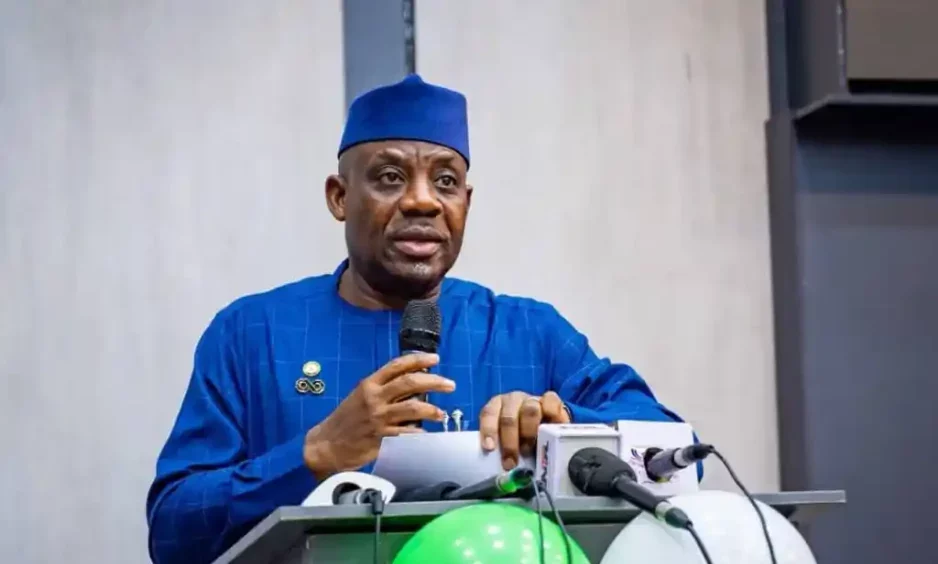
The Federal Government has insisted that King's College has not been sold or privatised, with the Minister of Education, Dr Tunji Alausa, stating that the government will retain ownership and regulatory powers. KCOBA will finance, rehabilitate, modernise, operate, and maintain the institution under the concession arrangement. The government has also maintained that the arrangement is specific to King's College and is not a plan to concession other Federal Unity Colleges.
The rationale for the arrangement is to address years of infrastructural deterioration in government-owned schools due to inadequate and inconsistent funding. Bringing in private resources and management expertise could help restore facilities such as hostels, laboratories, and sports grounds at King's College. KCOBA's interest in the school is also understandable, given the strong emotional and institutional connection alumni associations have with their former schools.
However, concerns raised by workers, parents, and teachers cannot be dismissed. The Association of Senior Civil Servants of Nigeria (ASCSN) and other education-sector unions have questioned the implications of the concession for workers' employment, salaries, pensions, promotions, and other conditions of service. They have also expressed concern about the possibility of job losses and the long-term implications of changing the management structure of a public institution.
Parents have legitimate concerns about the potential impact on access to education. Federal Unity Colleges have traditionally provided children from different parts of the country with access to education at relatively affordable costs. Any arrangement that results in higher fees or reduced access would raise questions about the continued public-service character of such institutions.
The dispute has spilled over into the wider Federal Unity Colleges, with workers directing members not to resume academic activities. The government has assured that it will continue to fund the rehabilitation of the other colleges. The Minister of Education has promised to address concerns and ensure that the concession arrangement does not compromise the public-service character of the institutions.
The National Union of Teachers and other stakeholders are watching the situation closely, as the outcome will have implications for the education sector as a whole. The government's decision to concession King's College has sparked a national debate about the role of private partnerships in public education and the need to balance funding constraints with the need to maintain access to quality education for all Nigerians.
Key points
- The Nigerian government has proposed a 35-year concession of King's College, Lagos, to the King's College Old Boys' Association.
- The concession has sparked concerns about job losses, changes to workers' conditions of service, and potential increases in fees.
- The government has insisted that King's College has not been sold or privatised and will retain ownership and regulatory powers.