Nigeria's decision to engage a United States lobbying firm has sparked concerns about the cost, purpose, and effectiveness of its diplomatic strategy. The country already maintains a foreign affairs ministry, diplomatic missions, and career diplomats. President Bola Tinubu's third consecutive absence at the United Nations General Assembly (UNGA) has renewed scrutiny of what Nigeria could be losing due to his repeated absence from one of the world's largest gatherings of political leaders.
The scrutiny has become more pointed against the backdrop of Nigeria's reported engagement of a United States lobbying firm under a contract that could cost up to $9 million. Documents filed under the United States Foreign Agents Registration Act (FARA) show that Kaduna-based Aster Legal retained Washington-based DCI Group on behalf of Nigeria in December 2025. The initial six-month retainer was $4.5 million, or $750,000 monthly.
The central question is whether Nigeria is securing sufficient diplomatic, economic, and strategic returns from the way it deploys its leaders, diplomats, and resources abroad. An international scholar at the University of Ilesa, Dr Adebukola Ayoola, questioned the role of the Ministry of Foreign Affairs and Nigeria's career diplomats if external firms must be paid millions of dollars to present the country's case.
The debate becomes more complicated because the cost of a missed diplomatic opportunity is difficult to quantify. Ayo Olukoju, Professor of History and Strategic Studies at the University of Lagos, noted that UNGA is practically performative, giving individual leaders a chance to enjoy global viewership. Yet visibility can also have diplomatic value, particularly for a country seeking investment, security cooperation, and greater influence in international institutions.
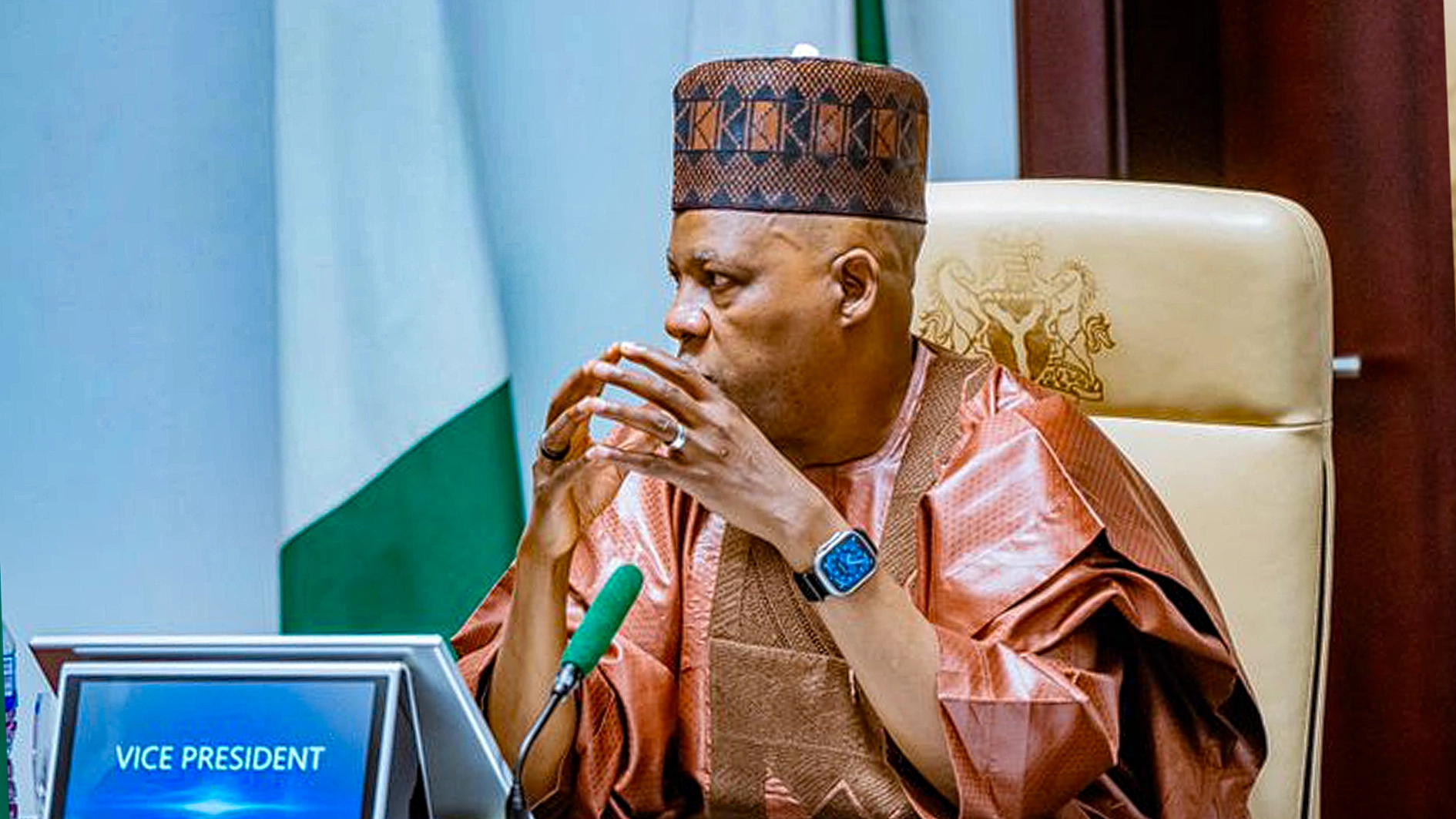
The Federal Government has insisted that President Tinubu's UNGA absence leaves no diplomatic vacuum, with Vice President Kashim Shettima leading Nigeria's delegation to the 81st session in New York. The government will have to demonstrate what its chosen model of international engagement delivers, rather than simply defending the President's absence as procedurally permissible.
The cost of what cannot be measured, and the government will have to provide concrete grounds for arguing that the alternative arrangement is delivering results. If Shettima and the delegation secure substantial investment commitments, deepen security partnerships, mobilise development financing, and advance Nigeria's diplomatic priorities, the administration would have concrete grounds for arguing that the alternative arrangement is delivering results.
The administration has established that Nigeria is represented in New York, with Shettima leading a high-level delegation and retaining the country's formal place in the Assembly. However, representation is not necessarily the same as influence, and influence is not necessarily the same as measurable national gain. The question confronting the Federal Government is increasingly one of results: What has Nigeria gained from its chosen model of international engagement, and what opportunities, influence, and public resources might it be losing?
Key points
- Nigeria's engagement of a US lobbying firm has raised questions about its diplomatic strategy, particularly given President Bola Tinubu's third consecutive absence at the UNGA.
- The contract with the lobbying firm could cost up to $9 million, sparking concerns about the cost and effectiveness of Nigeria's diplomatic strategy.
- The Federal Government will have to demonstrate what its chosen model of international engagement delivers, rather than simply defending the President's absence as procedurally permissible.