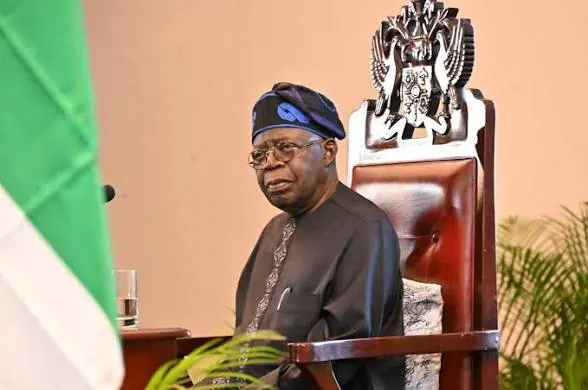
The Nigerian media and social media space have been filled with intense conversations around the slogan "Tinubu Must Go," championed by human-rights lawyer Abba Hikima and his Tinubu Must Go movement. This campaign has evolved beyond criticizing government policies, with the group now calling on leading opposition figures to unite behind a single candidate for the 2027 presidential election.
The Tinubu administration has implemented difficult reforms, including petrol subsidy removal and foreign-exchange unification, aimed at restoring economic stability and creating a stronger foundation for growth. By August 2026, the State House reported a real GDP growth of 4.43 per cent in the second quarter of 2026. The administration cites stronger oil production, improving investor confidence, infrastructure investment, student financing, and electricity sector reforms as evidence of progress.
The "Tinubu Must Go" argument requires a deeper examination, particularly regarding the objections to subsidy removal and exchange-rate reform. The administration argues that the difficult phase of reform was intended to create fiscal and economic space for investment in infrastructure, agriculture, education, healthcare, energy, and social support. The 2026 budget was presented as a consolidation phase after the initial period of structural reform.
Nigerians deserve to hear not only why the incumbent should leave but also what the proposed alternative would retain, reverse, or improve and how those promises would be financed. The experience of 2023 offers an important lesson, where President Tinubu faced intense political competition and media scrutiny, but the election was ultimately decided by voters across polling units and the constitutional electoral process.
A proper cross-examination of the current debate must begin with the subsidy question, exposing a striking difference between political rhetoric and policy consistency. In 2023, both Atiku Abubakar and Peter Obi supported the removal of petrol subsidy, but today, Atiku has reversed his position, while Obi has maintained that the subsidy should remain removed.
The removal of petrol subsidies substantially increased the resources distributed through the Federation Account, with total FAAC distributions to the federal, states, and local governments rising to N10.14 trillion in 2023. State governments have received additional resources, and the question extends beyond Abuja: what are state governments doing with these resources for healthcare, education, agriculture, roads, water, security, and other responsibilities?
The conversation around President Tinubu's performance and potential alternatives deserves a broader examination of the record, including what has changed since 2023, what remains unfinished, and who among Tinubu's contemporaries can present a more credible and sustainable alternative.
Key points
- The 'Tinubu Must Go' campaign has sparked a national debate on President Bola Ahmed Tinubu's performance and potential alternatives.
- The Tinubu administration has implemented reforms aimed at restoring economic stability and creating a stronger foundation for growth.
- The conversation around President Tinubu's performance requires a broader examination of the record and potential alternatives.