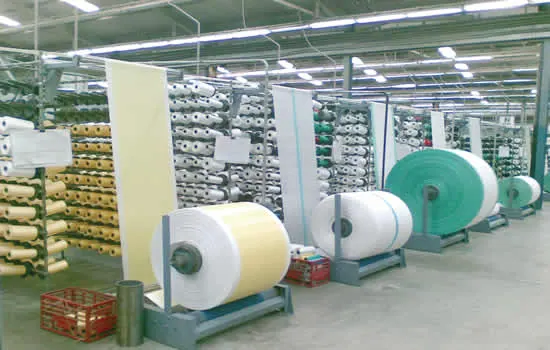
Nigeria's textile industry, once a thriving sector that helped reduce unemployment, lies in shambles, with abandoned projects scattered across the country. The industry's decline began in 1999, after the return of democratic rule, despite successive administrations pledging to revive it. Many textile factories have been converted into warehouses or worship centers, with only a handful of firms still operational. The industry's collapse has resulted in significant job losses and a substantial trade deficit.
Previous administrations have launched various initiatives to revive the industry, including the ₦100 billion Cotton, Textile and Garment (CTG) Revival Fund under Umaru Musa Yar'Adua's government. However, these efforts were marred by corruption, weak oversight, and diversion of funds. The late President Muhammadu Buhari's administration attempted to stop textile smuggling and revive moribund plants, but cheap imported materials continued to flood the market. Despite pumping huge amounts into the industry, only a few firms remained operational by the end of his tenure.
President Bola Tinubu's government has pledged to intervene in the industry, with the Secretary to the Government of the Federation, Senator George Akume, announcing plans to reopen textile factories in Kaduna. However, three years down the line, this remains a policy statement. The Northern States Governors' Forum had also resolved to work towards reviving the textile value-chain, but little evidence suggests that these words have been matched with funds to translate moribund plants into production.
Recently, the government unveiled a new strategy to revive the CTG value chain through the establishment of integrated industrial parks aimed at rebuilding the entire value-chain structure and boosting large-scale industrial growth. The Minister of State for Industry, John Owan Enoh, disclosed this during a high-level meeting of industry stakeholders in Abuja. The proposed initiative aims to address longstanding challenges facing the sector, including fragmented production systems, infrastructure deficits, and limited access to financing.
Stakeholders at the meeting stressed the need to identify and support capable local manufacturers who can take advantage of government initiatives and meet rising demand generated by public sector procurement under the Nigeria First policy. Nigeria's reliance on imported textiles has worsened the trade deficit, with cheap fabrics from Asia flooding local markets and out-pricing domestic manufacturers. Strengthening the sector would help Nigeria retain wealth within its economy, reduce foreign exchange outflows, and create a competitive textile market.
The revival of the textile industry is also crucial for Nigeria's cultural preservation, as indigenous textiles such as Aso Oke, Adire, and Ankara would be woven into the nation's identity. However, the industry's collapse has marginalized these traditional crafts. Resurgence in local production would promote these heritage fabrics, support artisans, and position Nigeria as a global hub for authentic African textiles. The industry's revival efforts appear to be gaining international attention, with opportunities emerging for collaborations with African nations and global brands seeking sustainable and ethical textile sources.
The federal government has formally endorsed the 2026 edition of the Meet Africa Fashion Festival (MAFEST), pledging full institutional backing for the continental event as part of efforts to strengthen Nigeria's textile sector and showcase African creativity on the global stage. This endorsement reflects a broader strategy to position Nigeria as a major hub for Africa's fashion and creative industries, while also promoting the nation's textile sector.
Key points
- The Nigerian government's repeated promises to revive the textile industry have yet to yield tangible results, with millions of jobs lost and the nation's cultural heritage at stake.
- The establishment of integrated industrial parks aimed at rebuilding the CTG value-chain structure is part of the government's new strategy to revive the industry.
- The revival of the textile industry is crucial for Nigeria's cultural preservation and economic growth, with opportunities emerging for collaborations with African nations and global brands.