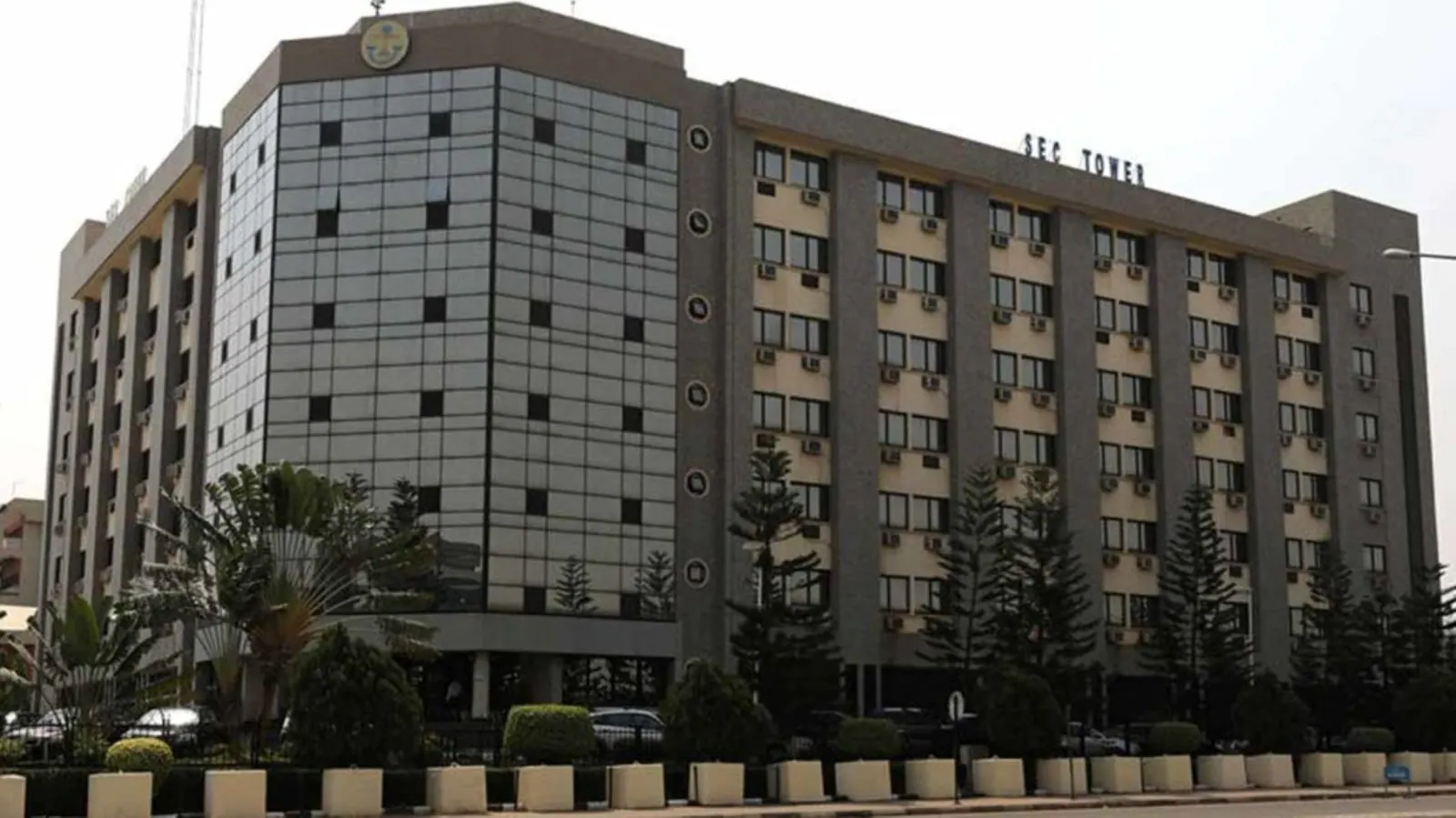
The Securities and Exchange Commission (SEC) of Nigeria has issued a directive requiring all public companies and significant public-interest capital market operators to submit their implementation plans for adopting International Financial Reporting Standards (IFRS) sustainability disclosure standards by October 15. This move is part of the commission's efforts to ensure that affected entities are prepared for mandatory sustainability-related financial reporting starting January 1, 2028.
The IFRS sustainability disclosure standards, comprising IFRS S1 and IFRS S2, were adopted by Nigeria to strengthen sustainability reporting and promote transparent, comparable, and decision-useful disclosures. IFRS S1 sets out general requirements for disclosure of sustainability-related financial information, while IFRS S2 covers climate-related disclosures. The standards are part of a phased implementation roadmap developed by the Financial Reporting Council of Nigeria (FRCN) in collaboration with relevant stakeholders, including the SEC.
The FRCN roadmap provides for a phased implementation of the standards, with an early-adoption phase that encouraged entities to adopt the standards voluntarily for accounting periods ending on or before December 31, 2023. The voluntary adoption phase applies to entities not yet subject to mandatory reporting, covering accounting periods beginning on or after January 1, 2024, through periods ending on or before December 31, 2027.
Mandatory adoption of the IFRS sustainability disclosure standards will commence for public-interest entities, including all public companies and significant public-interest capital market operators, for accounting periods beginning on or after January 1, 2028. Small and medium-sized entities will become subject to mandatory adoption for accounting periods beginning on or after January 1, 2030. The SEC has defined significant public-interest capital market operators as entities that facilitate clearing, settlement, trading, or data functions in the capital market.
To assess the preparedness of regulated entities and facilitate a smooth transition to mandatory sustainability reporting, the SEC requires each affected company and capital market operator to submit its implementation plan on or before October 15, 2026. The plan must cover governance arrangements for sustainability reporting, including board oversight, as well as a gap assessment against the requirements of IFRS S1 and IFRS S2.
The implementation plan must also identify challenges the entity anticipates in implementing the IFRS Sustainability Disclosure Standards. The SEC's directive is aimed at ensuring that affected entities are well-prepared for the mandatory sustainability-related financial reporting requirements, which will come into effect on January 1, 2028. This will enable them to provide transparent and comparable sustainability-related financial information to stakeholders.
The SEC's move is expected to promote sustainable business practices and enhance the transparency and accountability of public companies and significant public-interest capital market operators in Nigeria. By ensuring that these entities adopt the IFRS sustainability disclosure standards, the SEC aims to contribute to the country's efforts to promote sustainable economic growth and development.
Key points
- The SEC has set an October 15 deadline for public companies and significant public-interest capital market operators to submit their implementation plans for adopting IFRS sustainability disclosure standards.
- Mandatory adoption of the IFRS sustainability disclosure standards will commence for public-interest entities on January 1, 2028, and for small and medium-sized entities on January 1, 2030.
- The implementation plans must cover governance arrangements for sustainability reporting and a gap assessment against the requirements of IFRS S1 and IFRS S2.