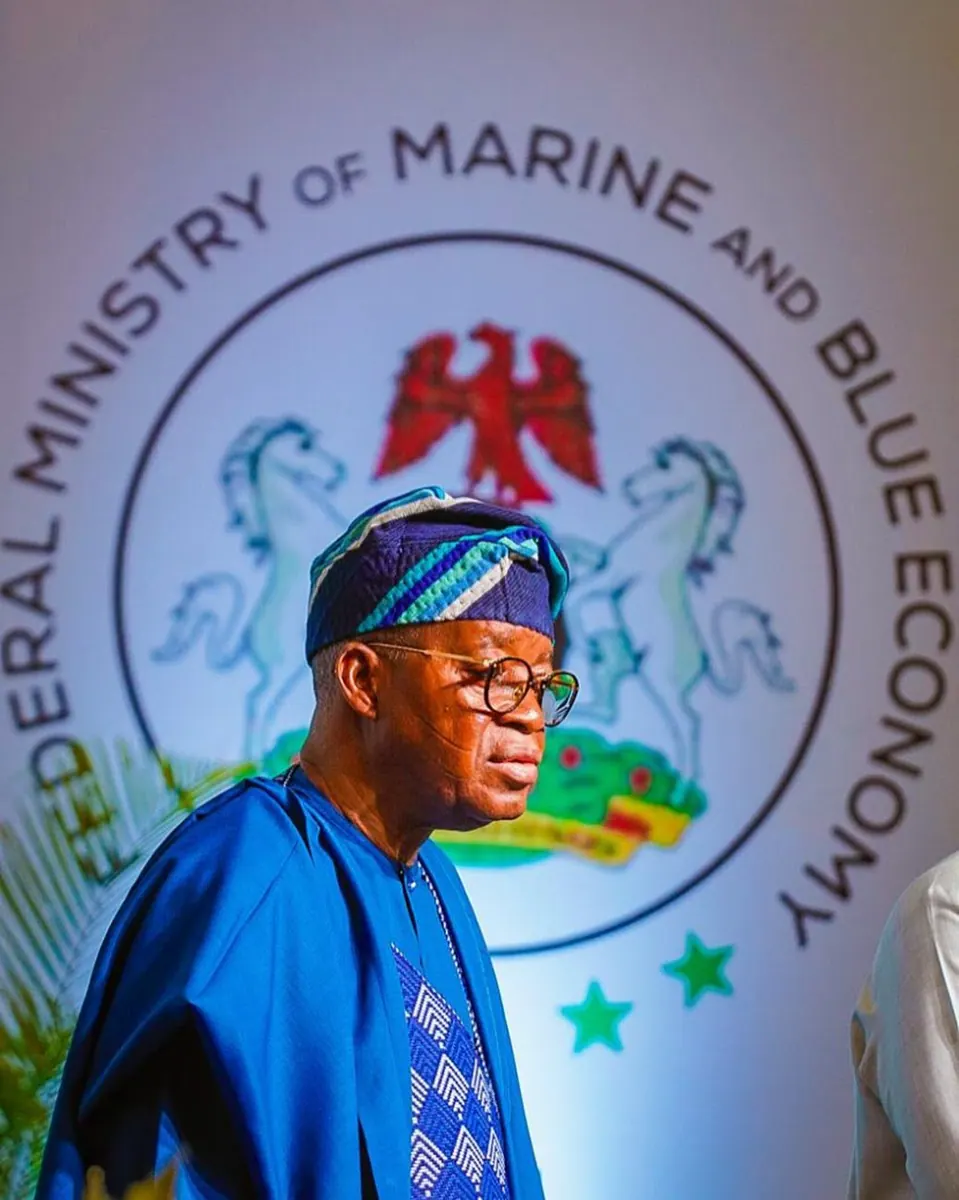
Nigeria's Minister of Marine and Blue Economy, Adegboyega Oyetola, has hailed the country's election into Category C of the International Maritime Organization (IMO) Council as a significant achievement. The election marks Nigeria's return to the council after a 15-year absence. Oyetola described this development as a historic milestone that had previously eluded the nation. He made this statement during his 72nd birthday celebrations in Osun State.
Oyetola highlighted Nigeria's extensive maritime resources, including an 853-kilometer coastline, approximately 10,000 kilometers of inland waterways, and a vast Exclusive Economic Zone. He emphasized that these assets have remained untapped, leading to the creation of his ministry. The goal is to harness these resources to generate employment, drive economic growth, and ensure environmental sustainability. This strategic move aims to position Nigeria as a major player in the global maritime industry.
The Minister disclosed that the Federal Executive Council has approved a National Policy on Marine and Blue Economy. This policy is designed to guide investments in the sector and unlock the potential of Nigeria's maritime resources. Oyetola also reported an increase in domestic fish production from 1.3 million to 1.5 million metric tonnes annually. This growth is attributed to capacity-building programs for local fishermen, which have enhanced their productivity and efficiency.
Oyetola's ministry is addressing safety concerns on inland waterways by tackling overloading and the use of unseaworthy vessels. The ministry is distributing life jackets and intensifying public awareness campaigns to reduce accidents and fatalities. Additionally, the Federal Government is upgrading seaports in Apapa, Tin Can Island, Warri, Calabar, and Port Harcourt to improve their efficiency and capacity to handle increased maritime traffic.
The minister noted that Nigeria's ports currently have an average draft depth of about 13 meters. However, attracting modern mega-vessels requires a depth of 16 to 18 meters. To address this, the government is undertaking dredging and upgrading facilities to achieve a minimum depth of 16 meters. These upgrades will reduce vessel turnaround times, improve trade efficiency, and boost maritime revenue.
Plans are underway to expand deep-sea port capacity beyond Lekki. A memorandum of understanding has been signed between the Ogun State Government and DP World for a proposed deep-sea port. This collaboration aims to enhance Nigeria's maritime infrastructure and increase its competitiveness in the global market. The expansion will also create new opportunities for economic growth and development.
Oyetola's achievements in the marine sector have been significant, with a focus on sustainable development and growth. His efforts to upgrade ports, improve safety, and increase efficiency are expected to have a lasting impact on Nigeria's maritime industry. The country's return to the IMO Council is a testament to its growing influence in the global maritime community.
Key points
- Nigeria elected into Category C of International Maritime Organization Council after 15 years
- Minister of Marine and Blue Economy Adegboyega Oyetola hails election as historic milestone
- Nigeria's maritime upgrades to include port dredging and deep-sea port expansion