A recent incident involving a religious cleric's hateful rhetoric against Christians has sparked widespread condemnation in Nigeria. The cleric, in the company of several governors, suggested that Christians should leave the country if they are unhappy with the government. This statement has been met with outrage from both Muslims and Christians, who emphasize that Nigeria's elections are not decided by religious affiliation. The country's diverse population votes based on tribal and political arrangements that benefit them through party and regional cooperation.
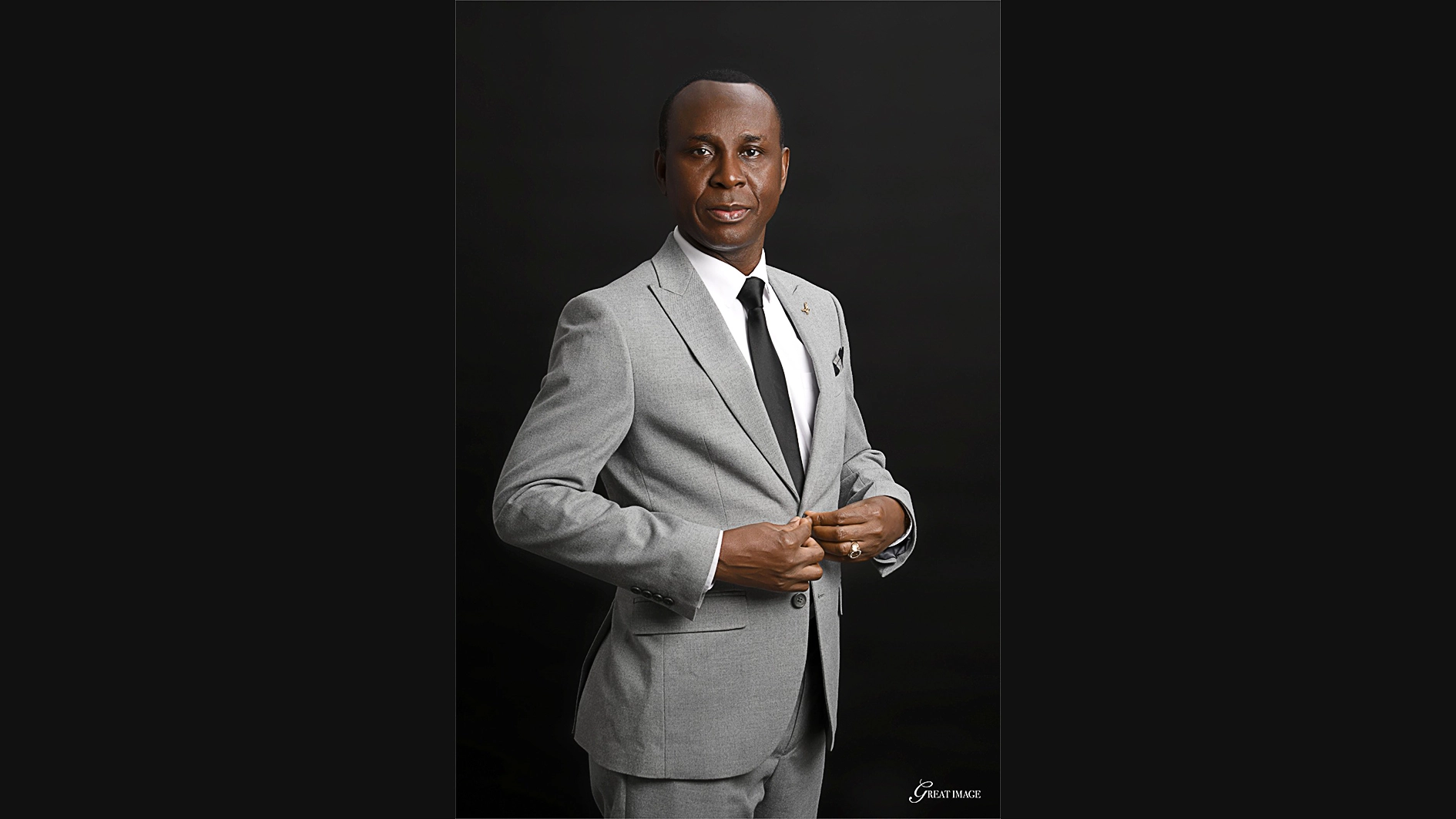
Bishop Tony MarioGhae, Presiding Bishop of TEAM International, has spoken out against the cleric's comments, highlighting the importance of religious harmony in Nigeria. He notes that the country's leaders have a responsibility to promote unity and understanding among all communities. The bishop emphasizes that Nigeria's progress is hindered by internal struggles, including ethnic rivalries, tribal wars, religious intolerance, terrorism, insecurity, and corruption. He calls for a shift in focus towards making significant contributions to the global economy and improving the continent's GDP.
The bishop also highlights the significant contributions of Christians to global civilization and technological progress. He cites examples of visionary figures like Michael Faraday, Isaac Newton, and the Wright Brothers, who were instrumental in driving the Industrial Revolution. The bishop notes that the most powerful economies, cutting-edge technologies, and strongest military forces are found in predominantly Christian countries. According to the Pew Research Center, Christianity is the largest religion in the world, with approximately 2.3 billion people, or nearly 29% of humanity.
In Nigeria, Christians make up a significant portion of the population, with Christian events dominating the largest religious gatherings across the country. Christians also hold the majority of the largest private universities, own the biggest religious buildings, and have expansive networks. The bishop notes that 80% of Nigerian billionaires identify as Christians, and 20 out of the 36 states have Christian governors. However, he emphasizes that without a comprehensive and credible population census, it is misguided for any faith to claim superiority over others.
The bishop praises Christian leaders and churches for their role in rehabilitating displaced Christians and Muslims in the North, showing a commendable spirit of inclusivity. He urges everyone, regardless of their faith, to adopt this approach and work towards building a strong, cohesive, and sustainable nation. The bishop emphasizes that Nigeria is a shared home, and it is the collective responsibility of its citizens to unite in building a better future.
The bishop also highlights the urgent need for cultural, religious, and political leaders in the North to collaborate in tackling pressing issues such as poverty, unemployment, drug abuse, banditry, kidnapping, terrorism, and insecurity. He notes that these challenges have left millions of people homeless in the mineral-rich yet troubled region. The bishop calls for a collective effort to turn the tide and build the Nigeria of the dream.
In conclusion, the bishop emphasizes the importance of promoting religious harmony and condemning hate speech in Nigeria. He calls on Nigerians to stand firm and insist that the worst elements do not define the country's future. The bishop notes that freedom of speech is a fundamental right, but it should not be misused to vilify a significant portion of the population and provoke hostility towards them. He urges the government to take action against hate speech and ensure that those who engage in it face consequences.
Key points
- Nigeria's progress is hindered by internal struggles, including ethnic rivalries, tribal wars, religious intolerance, terrorism, insecurity, and corruption.
- Christians have made significant contributions to global civilization and technological progress.
- The country's diverse population votes based on tribal and political arrangements that benefit them through party and regional cooperation.