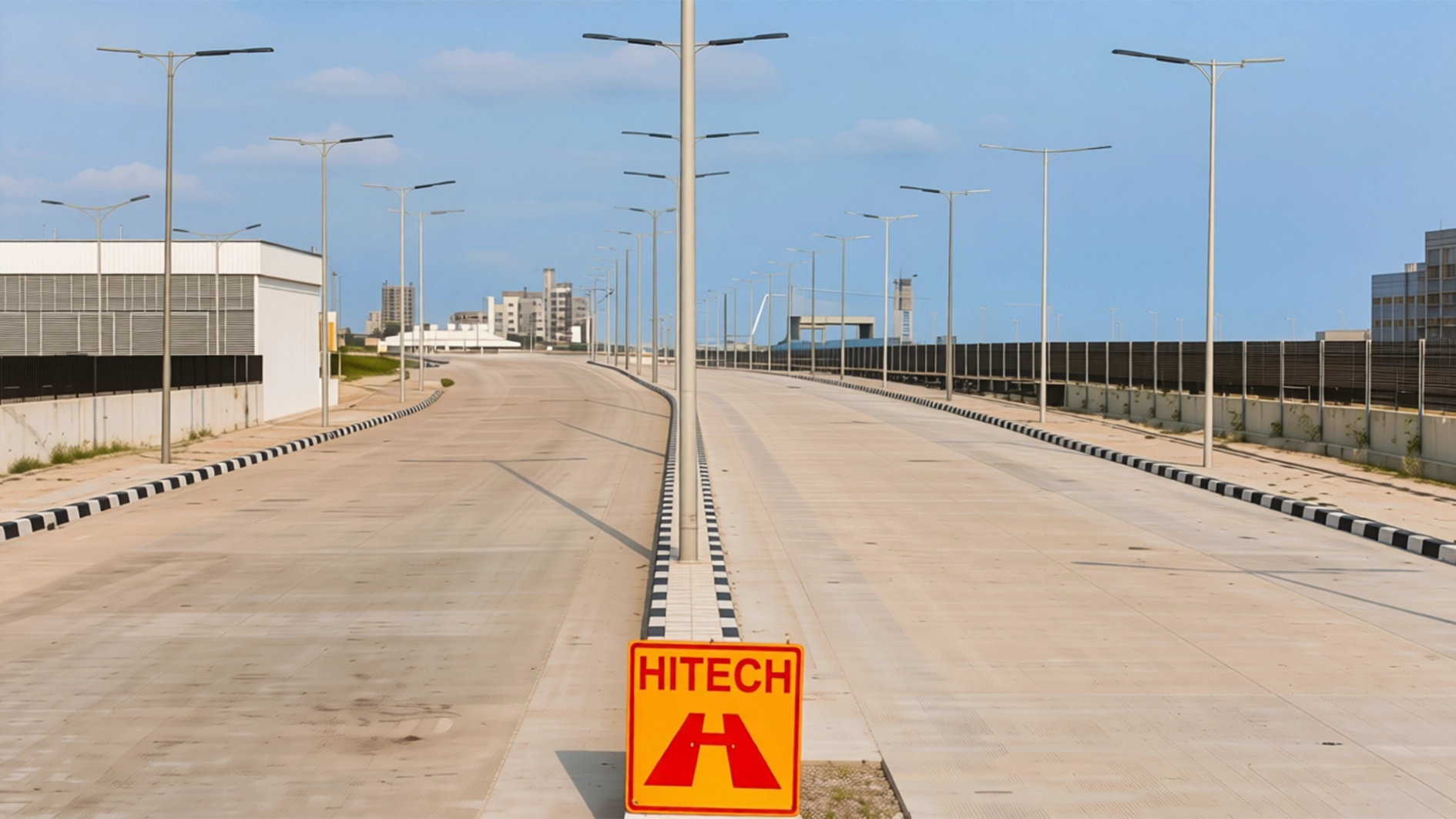
The proposed Lagos-Calabar coastal highway has garnered attention for its potential economic and historical implications. According to Eric Teniola, a former Director in the Presidency, Abuja, the construction of the highway is not merely a coincidence but a move with deep historical roots. The project acknowledges Calabar's peaceful nature and its significance to Nigeria. Calabar, known for its serene environment, boasts numerous historic buildings, making it a living museum of Nigeria's history.
Historically, Calabar served as the central administrative centre for the Southern Protectorate during the British colonial era. The territory of old Calabar was the first colonial government centre for the Southern Protectorate and the Oil Rivers Protectorate. However, in 1914, the administrative centre was moved to Lagos, which became Nigeria's first capital city. This change occurred after the Amalgamation Proclamation of 1914 by Sir Lord Frederick Lugard, the Governor General, following the unification of the Northern and Southern Protectorates.
The evolution of Nigeria's capital cities began with the country's colonization by the British Empire. Prior to 1914, Kaduna City was the political capital of the Northern Protectorate, while Calabar served as the central administrative centre for the Southern Protectorate. Calabar, initially known as Akwa Akpa in the Efik language, is located in the Southeastern region of Nigeria and was a significant precolonial trading port for the West African region.
The city of Calabar has a rich history dating back to the 15th century when Portuguese explorers reached the Guinea coast and designated the tribes in the area as "Calabar". The Efik people, who migrated from the Niger River area, were fleeing civil war with their kindred and the Ibibio people. Since the 16th century, Calabar has served as an international seaport, exporting goods such as palm oil and, unfortunately, becoming a major port for the shipment of African slaves to the Americas during the Atlantic slave trade.
The Atlantic slave trade had a profound impact on Calabar, with approximately 17,000 enslaved Africans sold from Calabar to European slave traders between 1725 and 1750, and over 62,000 between 1772 and 1775. Old Calabar (Duke Town) and Creek Town were crucial towns in the slave trade during that era. However, Calabar also holds a foundational place in Nigeria's football history, being the location of the country's first recorded organized football match on June 15, 1904.
In addition to its historical significance, Calabar was also a hub for missionary activities. Mary Mitchell Slessor, a Scottish missionary, arrived in Nigeria in 1878 and resided in Odukpani Local Government Area, where she fought for the abolition of the ancient custom of killing twin children and their mothers. She built a two-bedroom mud house with a veranda, which became known as "Fine Pass All". A more permanent structure was later built for her in 1889.
The proposed Lagos-Calabar coastal highway project has sparked discussions on its potential to compensate Calabar for missing out on the country's rail system during the colonial era. The Lagos/Calabar railway line project was conceived in 2014 but has not seen the light of day. The project is expected to boost economic growth and reconnect Calabar to the rest of Nigeria, solidifying its historical significance.
Key points
- The proposed Lagos-Calabar coastal highway project has historical significance, acknowledging Calabar's peaceful nature and its importance to Nigeria.
- Calabar served as the central administrative centre for the Southern Protectorate during the British colonial era.
- The Atlantic slave trade had a profound impact on Calabar, with thousands of enslaved Africans sold to European slave traders.