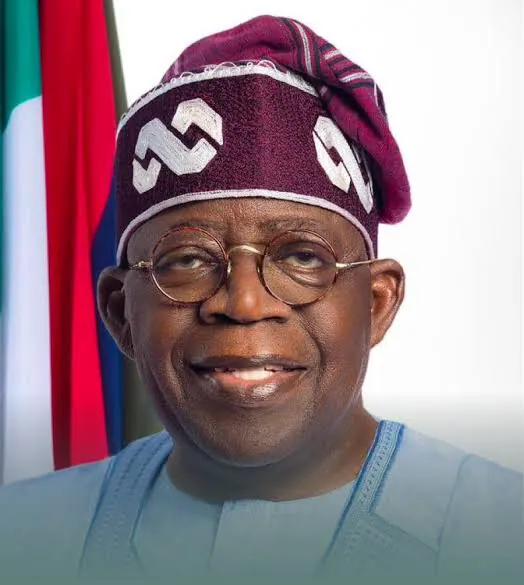
The UN General Assembly is currently in its final days in New York, and Nigeria's President Bola Tinubu has once again chosen not to attend. This marks his third consecutive absence from the high-level week of the assembly. Instead, Tinubu is in Paris on a working vacation, while Vice President Kashim Shettima delivered Nigeria's national statement in his place. This decision has raised questions about how the administration views Nigeria's standing in the world.
Tinubu did attend the General Assembly in 2023, shortly after taking office. On that occasion, he delivered the national statement himself, leading some to believe that Nigeria was reasserting its presence at the top table of global diplomacy. However, since then, he has missed the assembly for two consecutive years, 2024 and 2025, and now again in 2026. This absence is notable, especially given the months of assurances from Nigeria's ambassador to the UN that the president would attend.
According to Nigeria's ambassador to the UN, Tinubu had initially agreed to attend the assembly and had even been allocated a seat near former US President Donald Trump. However, the plans seem to have changed, and the explanation provided for his absence was that a 15-minute speaking slot was not worth the trip. Many Nigerians may find this reason puzzling, given the significance of the UN General Assembly as the world's largest annual gathering of heads of state.
The UN General Assembly brings together leaders from around the world to discuss pressing global issues, including peace and security, climate change, and sustainable development. Nigeria's absence from the assembly for three consecutive years may be seen as a reflection of the country's priorities and its engagement with the global community. The country has significant interests at stake, including its role in regional and global affairs.
Vice President Kashim Shettima's delivery of Nigeria's national statement on behalf of President Tinubu highlights the country's continued engagement with the UN, albeit at a lower level. However, the absence of the president himself may be perceived as a lack of commitment to Nigeria's global role. The implications of this decision are yet to be fully assessed, but it may have consequences for Nigeria's relationships with other countries and international organizations.
The UN General Assembly provides a critical platform for countries to engage with each other and address global challenges. Nigeria's absence from the assembly may also be seen in the context of the country's current priorities, including addressing domestic economic and security challenges. However, the country's global role and influence are also important considerations, and its absence from the assembly may have implications for its reputation and relationships.
The decision to send Vice President Shettima to deliver Nigeria's national statement may be seen as a compromise, given the country's commitments and priorities. However, the absence of President Tinubu from the UN General Assembly for three consecutive years raises questions about Nigeria's engagement with the global community and its priorities. The country's role in regional and global affairs is significant, and its absence from the assembly may have implications for its influence and reputation.
Key points
- President Tinubu's absence from the UN General Assembly for three consecutive years has raised concerns about Nigeria's engagement with the global community.
- The absence may have implications for Nigeria's relationships with other countries and international organizations.
- Vice President Kashim Shettima delivered Nigeria's national statement on behalf of President Tinubu, highlighting the country's continued engagement with the UN.