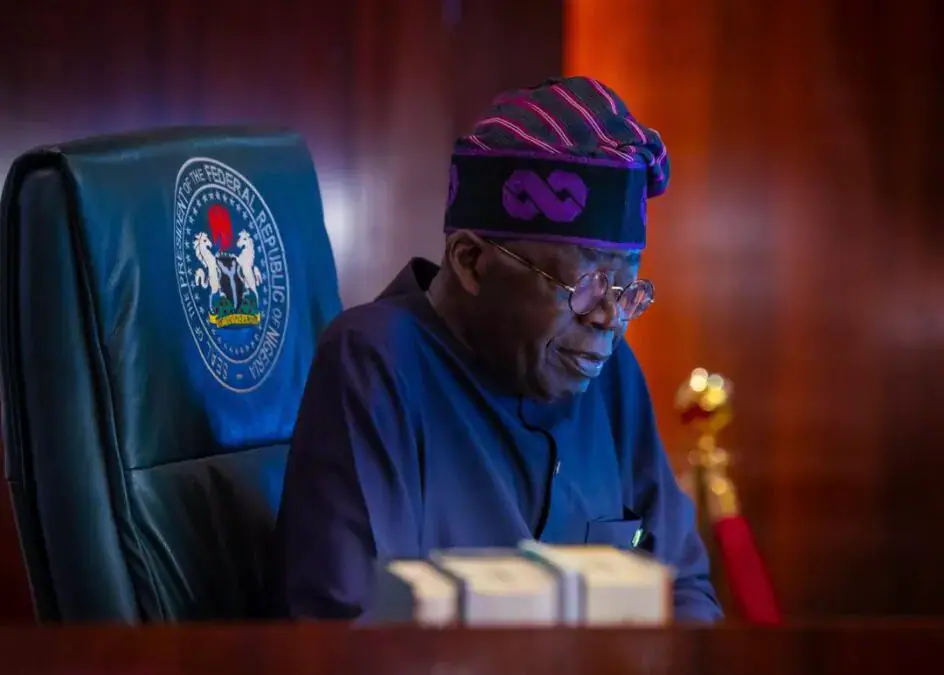
Nigeria's power minister, Joseph Tegbe, announced that the government has paid N1.23 trillion of the legacy debts it owes power generators. This payment represents over a third of the N3.3 trillion approved for verified obligations to generation companies. The move is part of President Bola Tinubu's efforts to revive the country's stalled electricity sector. Unpaid bills to generators have long been a major issue in the industry, affecting power plants' ability to buy gas, maintain equipment, and attract fresh investment.
The payment is expected to break the cycle of unpaid bills and limited electricity supply. However, roughly N2.1 trillion in approved payments is still outstanding. Tegbe attributed the sector's troubles to systemic issues, including gas supply constraints, ageing infrastructure, vandalism, transmission bottlenecks, poor metering, and commercial weaknesses. He emphasized that fixing one link in the value chain will not help unless the others improve alongside it, requiring disciplined implementation of reforms.
The government is also investing in grid upgrades to improve transmission capacity. Newly commissioned substations and equipment have added over 1,300 megavolt-amperes to transmission capacity, with work covering several areas, including Apapa, Ijora, and Ikeja. A new National Grid Control Centre is being built in Osogbo to replace a 60-year-old facility. The government aims to expand generation capacity to 10,000 megawatts and has metered over 2.8 million customers under the Presidential Metering Initiative.
Inadequate metering has been a source of friction between distribution companies and consumers. The Presidential Metering Initiative aims to address this issue. The ministry plans to build out electricity supply along three economic corridors: Lagos-Ogun, Benin-Enugu-Port Harcourt, and Abuja-Kaduna-Kano. The Lagos-Ogun axis and Abuja franchise area account for over half of national electricity demand and are proposed pilot sites for 24-hour energy zones.
The pilots depend on technical readiness and commercial viability. The aim is to match generation, transmission, and distribution capacity to demand in the country's biggest economic centres. Tegbe also announced a coordinated anti-vandalism campaign involving security agencies, backed by tougher legal measures to protect power assets. Attacks on gas pipelines and transmission infrastructure have repeatedly disrupted supply.
Tegbe appealed for a working relationship with the press, calling for fact-based reporting and professional scrutiny. He emphasized that Nigerians deserve timely explanations when the lights go out, along with clarity on what is being done and which institutions are responsible. The ministry will keep communication channels open and welcome constructive criticism.
Rebuilding trust in the power sector may prove challenging. Successive administrations have promised stable power, but many Nigerians and businesses still rely on private generators, an expensive workaround that raises costs across the economy. The government's efforts to revive the sector and provide reliable electricity supply will require sustained implementation of reforms and investments in infrastructure.
Key points
- The Nigerian government has paid N1.23 trillion of legacy debts to power generators.
- The sector's troubles are attributed to systemic issues, including gas supply constraints and ageing infrastructure.
- The government aims to expand generation capacity to 10,000 megawatts and improve transmission capacity.