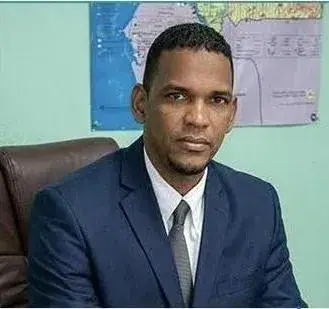
Nigeria's power problem has long been discussed in terms of megawatts, but it is a complex chain issue that involves gas supply, generation, transmission, distribution, metering, and billing. Minister of Power Joseph Olasunkanmi Tegbe has taken a systemic approach to address these challenges, characterising his first 100 days as a period of "diagnosis and stabilisation." This approach aims to understand the constraints in the system, repair what can be repaired, recover stranded assets, and restore discipline across the electricity value chain.
The diagnosis revealed familiar weaknesses, including damaged infrastructure, commercial constraints on gas supply, ageing equipment, deferred maintenance, and stalled projects in the generation fleet. Financially, only about 27% of generation companies' bills were being paid, affecting their capacity to maintain plants and meet obligations to gas suppliers. Transmission infrastructure has been compromised by vandalised towers and lines, overstretched equipment, and frequent tripping. Distribution networks face technical, commercial, and collection losses estimated at 30-40%, inadequate metering, and estimated billing.
To address these challenges, the Minister has focused on three objectives: stabilising the value chain, restoring market discipline, and strengthening governance. Tangible interventions include the return of the 375MW Alaoji open-cycle power plant to the national grid after three years offline. In Lagos, new transformers have unlocked 672MW of transmission capacity, while a new 300MVA transformer at Katampe has added 240MW. These efforts have contributed to a recent increase in generation and transmission above 5,000MW, compared to the 3,700MW-4,700MW range before June.
However, Minister Tegbe acknowledges that a national generation peak does not automatically translate into reliable electricity for every Nigerian. The next task is to convert system-level improvements into dependable supply at the customer level. This includes metering, with about 350,000 metres installed during the first 100 days and cumulative installations reaching 1,004,260 as of August 2026. The Ministry has also resolved the AMMON litigation, unlocking procurement of 1.4 million smart meters.
The liquidity crisis in the power sector is being addressed through an estimated ₦1.23 trillion raised towards the backlog of power-sector debt, part of a broader programme targeting the sector's estimated ₦3.3 trillion debt burden. This is crucial for an electricity market to become sustainable, as generators must pay gas suppliers, distributors must meet their obligations, and accumulated arrears must be addressed.
The reform effort also explores decentralised approaches, including 62 solar and mini-grid installations across 30 states, delivering 43.6MW of installed solar capacity and 41,735 new connections, benefiting over 208,000 people. The Rural Electrification Agency and its partners are driving this initiative, which may prove increasingly important for universal access.
The success of these early interventions will be judged by their sustainability as a reform programme. The next phase includes deeper grid stabilisation, stronger protection and control systems, improved utilisation of existing generation assets, expanded metering, and development of a Transmission Super Grid. The real test begins now, with the next six to 12 months expected to reveal whether these efforts translate into more reliable electricity and improved quality of supply.
Key points
- Nigeria's power sector reform focuses on a systemic approach to address generation, transmission, distribution, and metering challenges.
- The first 100 days of Minister Tegbe's tenure have seen tangible interventions, including increased transmission capacity and metering.
- The sustainability of these efforts will be judged by their impact on reliable electricity supply and sector liquidity.