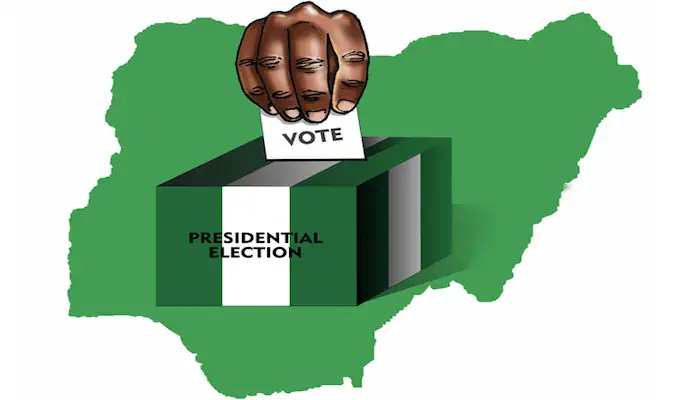
As the 2027 general elections approach, Nigeria's opposition parties are grappling with internal crises, leadership disagreements, and factional divisions. These developments have sparked concerns about the future of the opposition and the possibility of a credible third political force emerging to challenge the ruling All Progressives Congress (APC). The APC's potential to secure another electoral victory has been attributed to the opposition's failure to unite.
Action Democratic Party National Publicity Secretary Sani Dawop attributed internal disagreements within opposition parties to normal democratic processes. He argued that political parties must develop effective mechanisms for managing differences rather than allowing them to threaten their existence. Dawop also alleged that the ruling APC contributes to divisions within opposition parties, using public resources to patronize individuals with divergent views.
Dawop accused the APC of engineering crises within opposition parties to weaken alternative political platforms. He claimed that restrictions on opposition parties' access to public spaces for political campaigns and publicity are part of efforts to limit their visibility. Dawop advised opposition parties to strengthen their internal conflict-resolution mechanisms to prevent disagreements from escalating into damaging divisions.
Political analyst Gberindyer Fidelis Aondover believes that the emerging political situation could favor a third force, particularly in Benue State. Aondover argued that the African Democratic Congress (ADC) has significant opportunities ahead of 2027 due to growing divisions within the APC and disagreements over political interests and candidate selection. He cited reported disaffection among APC members loyal to the Benue State governor as a potential opportunity for the ADC.
Aondover cautioned that the opportunity for the ADC would not automatically translate into electoral victory. He emphasized that victory can only be assured if the party can convert disaffection into votes and if its candidates are visible, credible, and well-organized. Aondover predicted that the ADC could stand a strong chance of winning some National Assembly constituencies in Benue State but remains unlikely to win the governorship election.
Former Jigawa State governor Sule Lamido warned that the failure of opposition leaders to unite could hand the APC an easier victory in 2027. Lamido's position highlights a major challenge confronting Nigeria's opposition: building a common political front despite shared interests in challenging the ruling party. Internal leadership disputes within smaller political parties also raise questions about the strength and credibility of the proposed third force.
The Action Democratic Party is currently experiencing a leadership crisis, with a faction accusing suspended National Chairman Yabagi Sani of attempting to alter the party's constitution and registered identity without following due process. This development has sparked concerns about the party's ability to present a united front ahead of the 2027 elections.
Key points
- The opposition's failure to unite could strengthen the APC's chances of securing another electoral victory.
- The African Democratic Congress (ADC) has significant opportunities ahead of 2027 due to growing divisions within the APC.
- The opposition must strengthen its internal conflict-resolution mechanisms to prevent disagreements from escalating into damaging divisions.