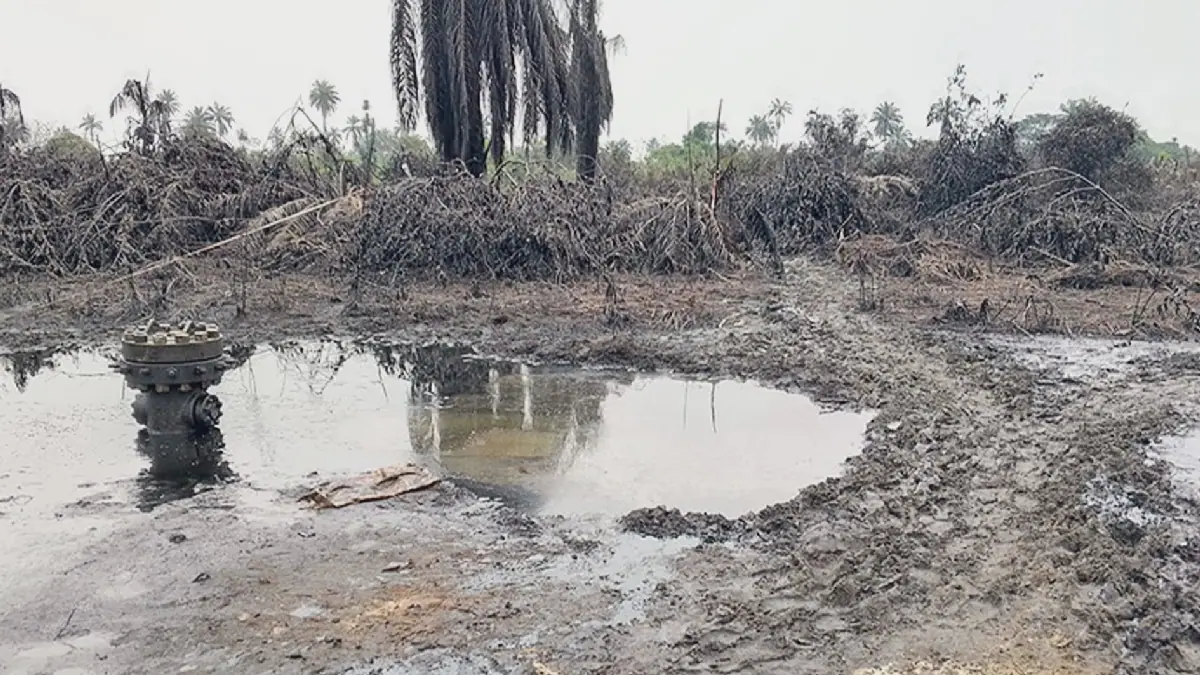
Communities such as Bille, Aleto, Kula, and Kpean in Rivers State, Nigeria, are struggling with environmental degradation, hunger, insecurity, and loss of life due to toxic oil leaks. The situation has been exacerbated by the government's push for renewed oil production in Ogoniland ahead of the 2027 general elections. Residents of these communities have been left to bear the consequences of oil production, with many facing poverty, pain, and death.
On September 3, 2026, a gas pipeline explosion occurred in Bille community, Degema Council of Rivers State, killing one person and injuring several others. The explosion was linked to persistent gas seepage and bubbling that had affected the community since October 2025. This incident is not an isolated environmental disaster, as communities in the Niger Delta continue to grapple with deadly emissions, oil spills, contaminated water, and deteriorating health.
The human cost of environmental pollution in the Niger Delta is alarming, with many communities sitting on enormous oil and gas wealth yet struggling with basic necessities like safe drinking water and functional healthcare. On October 15, 2026, at least 20 people were injured, and several houses and properties were damaged in a gas pipeline explosion in Aleto community, Eleme Council of Rivers State. The pipeline had been leaking for about three weeks before the explosion, with community leaders claiming they had raised the alarm but were ignored.
The consequences of ignoring early warnings in communities hosting critical oil and gas infrastructure are dire. On October 23, 2026, 10 people were killed after a boat capsized during a confrontation over the removal of an oil vessel in Kula Kingdom, Akuku-Toru Council of Rivers State. The incident followed an alleged oil spill in the area and the seizure of an Ibeto-linked crude vessel. Top military personnel are making efforts to broker peace between the aggrieved community and the vessel owners.
In Kpean community, Khana Council, farmlands have been destroyed, and livelihoods lost due to unabated oil spills. These incidents paint a troubling picture of a region where environmental degradation, inadequate emergency response, resource-related tensions, and the struggle for economic survival continue to define everyday life. Despite interventions by the National Emergency Management Agency (NEMA), concerns remain over the long-term health implications of gas seepage and the need for transparent investigations.
Civil society organisations, including Spaces for Change, Miidekor, and HOMEF, have visited the area and called for transparency, accountability, protection of affected communities, and urgent action by relevant authorities. However, relief materials alone cannot address the scale of the crisis; residents need credible investigations, effective remediation, healthcare support, and concrete measures to prevent further loss of life.
The recurring tragedies in Rivers State raise fundamental questions about the value the country places on the lives and livelihoods of people living in communities that sustain its oil and gas economy. As political actors position themselves ahead of the 2027 elections, residents of these communities are asking questions about access to safe drinking water, functional healthcare, environmental justice, compensation, and protection from hazardous industrial activities.
Key points
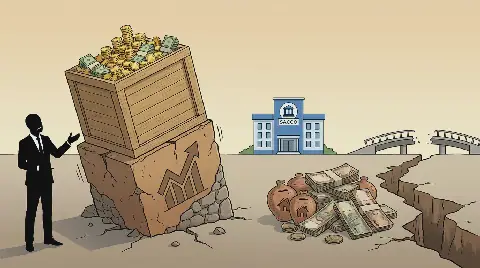
- The Nigerian government has proposed a budget of N873.78 billion for the 2027 general elections, while communities impacted by oil production continue to struggle with poverty and environmental degradation.
- Environmental degradation and resource-related conflicts continue to define everyday life in Ogoniland, with many communities facing deadly emissions, oil spills, and contaminated water.
- Civil society organisations are calling for transparency, accountability, and urgent action to address the environmental crisis in Ogoniland.