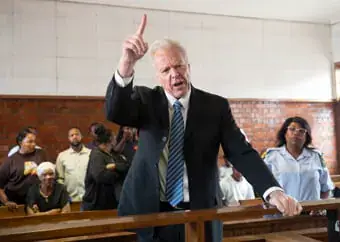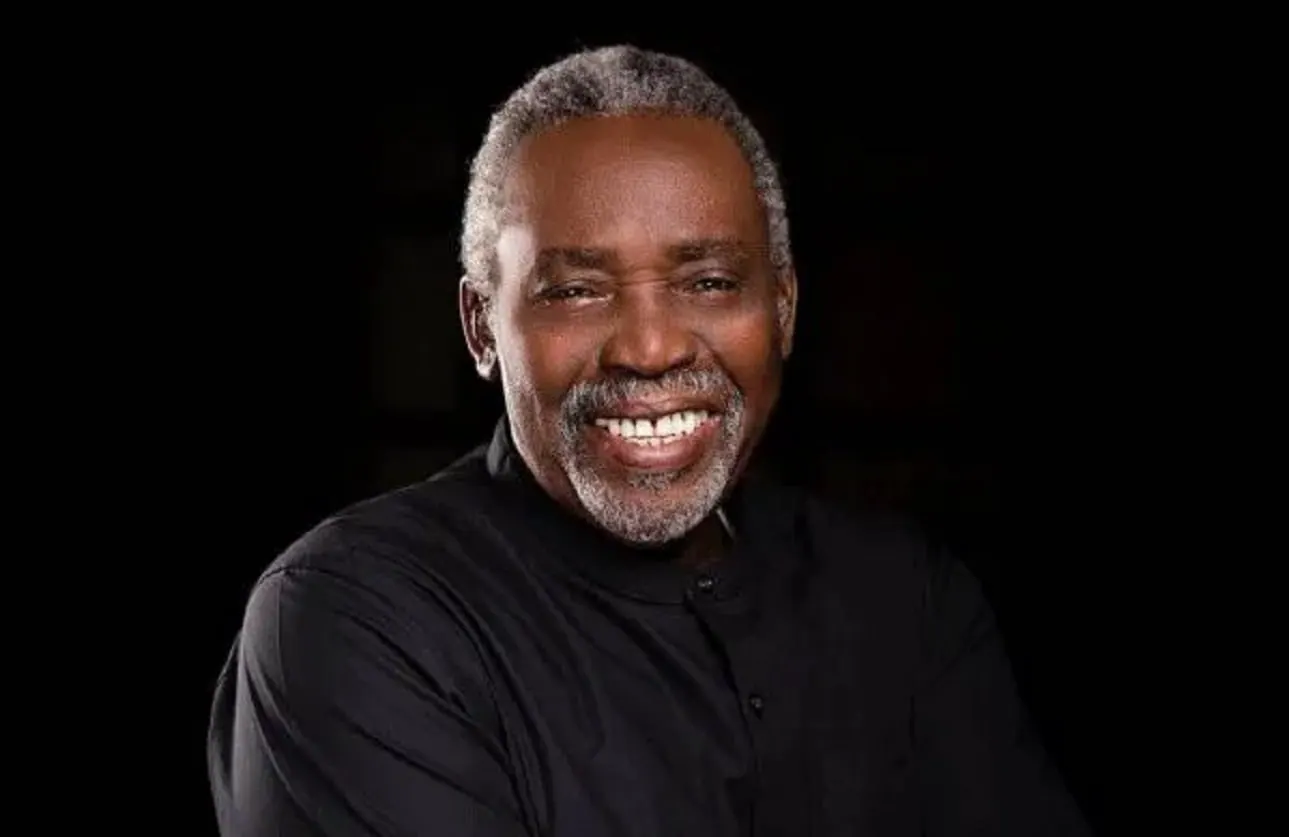
The Nigerian entertainment industry recently paid tribute to veteran actor Olu Jacobs, who was laid to rest in Lagos on Friday. Jacobs' career spanned more than five decades and had a significant impact on Nigeria's entertainment industry. His influence reached generations of Nigerian performers, and his legacy continues to be celebrated. Jacobs' journey from the stage to television and film helped shape the country's entertainment industry.
A Night of Tributes and Service of Songs was held at Glover Memorial Hall, Lagos Island, where colleagues and friends remembered Jacobs not only as a commanding actor but also as a mentor and teacher. Veteran actress Sola Sobowale recalled that Jacobs had trained her, saying that he was the one who had taught her the skills she has today. Sobowale's testimony highlights the significant role Jacobs played in the development of many actors in the industry.
Jacobs was born on July 11, 1942, in Kano, although his family roots were in the Egba Alake community of Abeokuta, Ogun State. He grew up in Kano, where his early interest in performance developed through school drama, debating, and church activities. Jacobs' interest in acting was sparked when he watched one of Chief Hubert Ogunde's concert parties at the Colonial Hotel in Kano. This experience would change the direction of his life and lead him to pursue a career in acting.
Jacobs trained at the Royal Academy of Dramatic Art in London, one of Britain's leading drama institutions. He built his craft in theatre and television, appearing in several British productions, including The Goodies, Till Death Us Do Part, and The Professionals. His career also took him to the West End, where he appeared as President Mageeba in Tom Stoppard's Night and Day in 1978. Jacobs' international experience placed a Nigerian actor in spaces still largely inaccessible to many African performers.
In 1990, Jacobs returned to Nigeria and took on the lead role of Inspector Best Idafa in the NTA detective series, The Third Eye. He became part of the transformation of Nigeria's home-video industry, which was beginning to grow. Jacobs brought the discipline of the stage and work abroad into stories that Nigerians could recognise as their own. His performances were polished and familiar, making him accessible to audiences while retaining the authority of a trained theatre actor.
Jacobs appeared in more than 100 Nigerian films and had a wider body of work that covered theatre and television. His name became almost inseparable from the image of the authoritative Nigerian elder, traditional ruler, patriarch, or powerful businessman. Jacobs' voice was one of his trademarks, deep, calm, and commanding, and could turn an ordinary line into a statement of authority. His posture, eyes, pauses, and ability to say very little while making an audience feel that something important had been said also contributed to his on-screen presence.
The tributes to Jacobs revealed a side of him that audiences could not always see on screen: an actor who was willing to share knowledge, correct younger colleagues, and invest in the growth of others. Several actors, including Norbert Young and Richard Mofe-Damijo, remembered Jacobs as a father figure whose influence extended beyond his own performances. Jacobs won the Africa Movie Academy Award for Best Actor in a Leading Role in 2007 and was conferred with a national honour by the Federal Government in 2011.
Key points
- Olu Jacobs was a veteran actor whose career spanned over five decades and had a significant impact on Nigeria's entertainment industry.
- Jacobs was a mentor and teacher to many actors, including Sola Sobowale, Norbert Young, and Richard Mofe-Damijo.
- Jacobs received several awards and honours for his contributions to the entertainment industry, including the Africa Movie Academy Award and a national honour from the Federal Government.