The Nigeria Democratic Congress (NDC) has disowned a purported Presidential Campaign Council announced by the 'OK Movement', warning members and support groups against creating parallel structures outside the party's authority. In a statement, NDC National Chairman, Senator Moses Cleopas, said the party dissociates itself from the OK Movement's announcement, stressing that only the party leadership has the authority to constitute and announce a PCC. The party also announced disciplinary action against John Ugulu, accused of disregarding party leadership and committing excesses during the party's primary election in Lagos State.
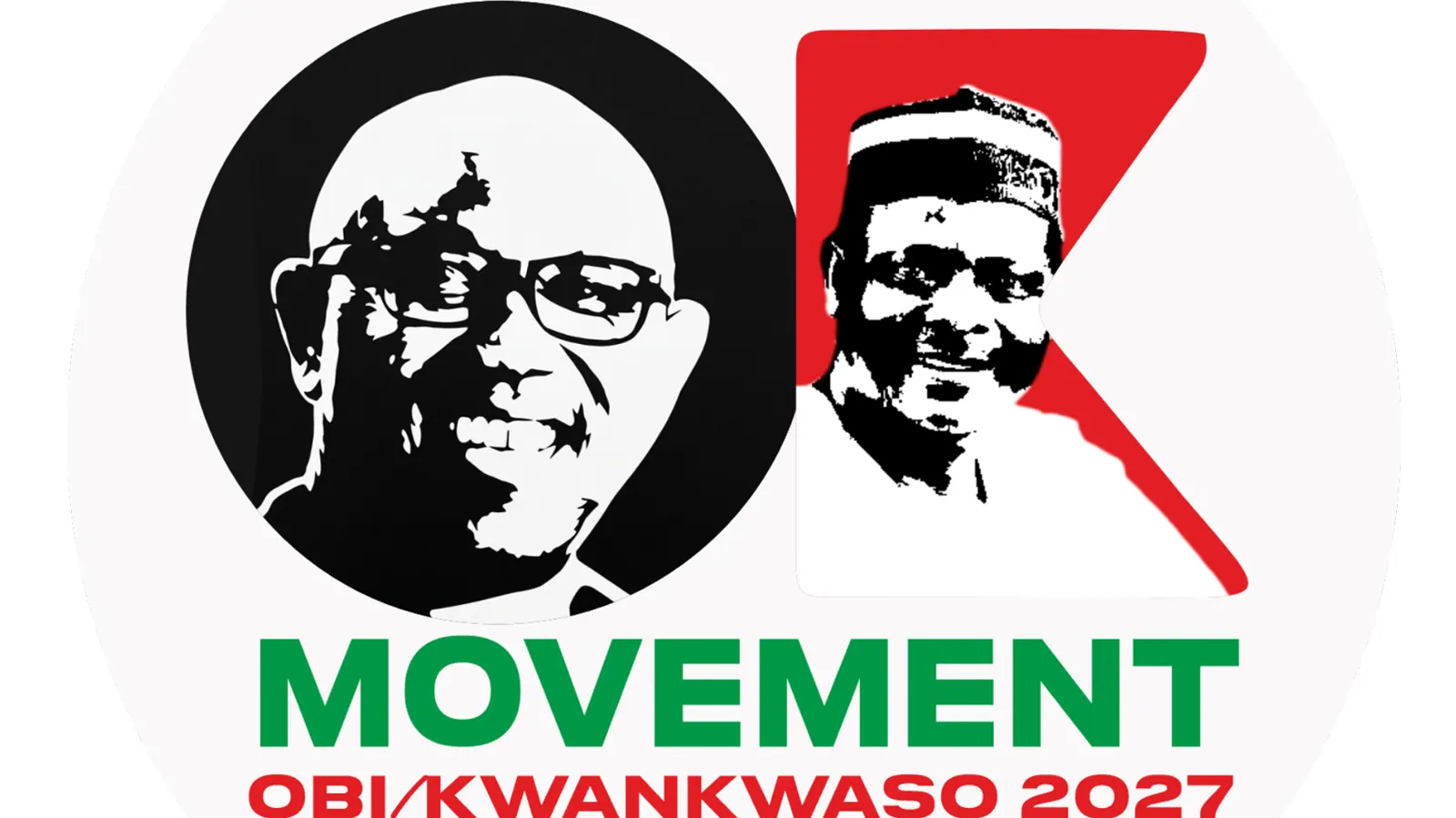
The OK Movement, however, refused to back down, forcing National Head of Operations, Francis Nnoli, to resign over a growing disconnect between the movement and the party. Nnoli cited the need for political discipline, structural clarity, and coordination between support groups, candidates, and the party. The OK Movement claims to have 2.5 million registered members and coordinators nationwide, describing itself as a grassroots organisation with a long-term political vision. The movement's Director-General, Ughulu, was referred to the party's disciplinary organ over his excesses.
The NDC's rejection of a 59-member PCC announced by the OK Movement led to the fresh confrontation. The party warned that no individual, candidate, or support group would be permitted to establish or announce a campaign council, structure, or organ in the name of the NDC without prior approval from the National Working Committee (NWC). The OK Movement's response has turned the disagreement into a more open confrontation, with the group declaring it would not be intimidated by the NDC chairman's position.
The OK Movement's National Secretary, Saadatu Sani, signed a statement declaring the movement's independence and commitment to campaigning for the NDC presidential ticket. The group drew a clear line between supporting the party and being controlled by its leadership. The OK Movement's stance has sparked a heated debate about the role of support groups in Nigerian politics and the limits of party authority.
The NDC's disciplinary action against Ugulu and the OK Movement's insistence on independence have raised questions about the party's ability to manage internal conflicts. The party's leadership has urged the public and media to disregard the OK Movement's announcement, stressing that its candidates are contesting elections on the party's platform and are subject to its authority and disciplinary structures.
The disagreement between the NDC and the OK Movement has significant implications for the 2027 general elections. Peter Obi and Senator Rabiu Kwankwaso are pursuing their joint presidential bid on the NDC platform, with the OK Movement's support. The movement's independence and influence could potentially impact the outcome of the elections.
The resignation of Francis Nnoli and the OK Movement's response to the NDC's disciplinary action have highlighted the challenges of managing support groups in Nigerian politics. The NDC's stance on party authority and the OK Movement's insistence on independence have set a precedent for future conflicts between parties and support groups.
Key points
- The Nigeria Democratic Congress (NDC) has disowned the 'OK Movement' campaign council, citing disregard for party authority.
- The OK Movement claims to have 2.5 million registered members and coordinators nationwide, describing itself as a grassroots organisation with a long-term political vision.
- The disagreement between the NDC and the OK Movement has significant implications for the 2027 general elections.