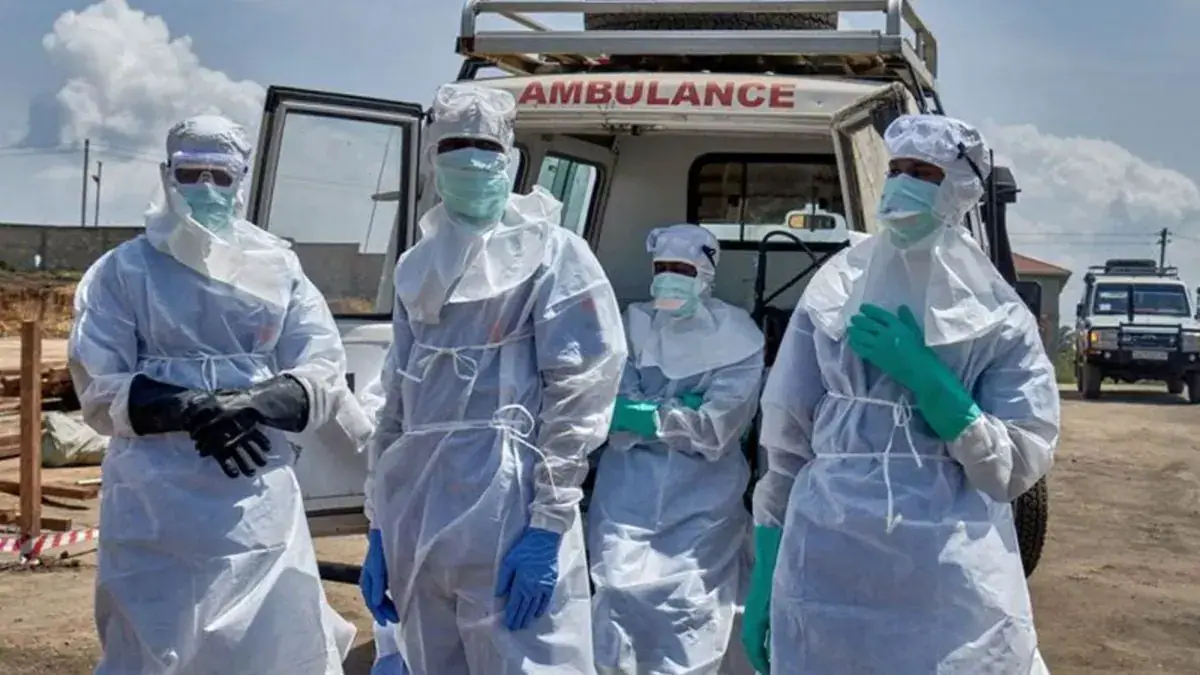
The Nigeria Centre for Disease Control and Prevention (NCDC) has identified two suspected cases of Ebola disease in Nigeria's North-East region. Both individuals have been isolated while investigations and laboratory tests are being conducted to establish their health status. The NCDC has commenced the process of identifying and documenting people who may have had contact with the suspected cases to determine possible links to other infections and the extent of any potential exposure.
The NCDC has confirmed that laboratory testing is ongoing, stressing that the identification of the two individuals as suspected cases should not be interpreted as confirmation that they have contracted the disease. The public is advised to maintain good hand hygiene, practise enhanced sanitation, and follow guidance from public health authorities. Further updates will be provided as verified information becomes available.
This development comes amid an ongoing Ebola disease response in Nigeria following the confirmation of an imported case of the Bundibugyo strain in the Federal Capital Territory on October 20, 2026. The confirmed case involved a 42-year-old woman who arrived in Nigeria from Uganda on October 3 through an international flight that passed through Addis Ababa, Ethiopia.
According to information released by health authorities, the woman began experiencing symptoms on October 7, four days after arriving in the country. She initially visited a private health facility before being admitted to another hospital on October 11. The NCDC was subsequently notified on October 19, leading to investigations and the collection of samples for laboratory examination.
The agency's National Reference Laboratory confirmed the infection on October 20. The patient's symptoms included fever, diarrhoea, general body aches, and a sore throat. Health officials also reported that she did not experience bleeding. Following the confirmation, the Federal Government activated a public health response involving the NCDC, the Federal Ministry of Health and Social Welfare, FCT health authorities, and other relevant partners.
Contact tracing was also expanded to identify individuals who might have been exposed to the infected woman. The exercise initially identified 44 contacts before the number increased to 53 during the NCDC's October 25 briefing. The contacts included healthcare workers, household members, domestic staff, and other individuals who had interacted with the patient during the period under investigation.
The confirmed patient was medically evacuated to Switzerland on October 26 for further treatment. Her husband, who was identified as a close contact, was also placed under isolation in Switzerland. As of October 29, the European Centre for Disease Prevention and Control reported that 62 contacts linked to Nigeria's confirmed case had been identified and were undergoing follow-up.
Key points
- The NCDC is conducting investigations and laboratory tests to confirm the health status of the two suspected Ebola cases.
- The public is advised to maintain good hand hygiene, practise enhanced sanitation, and follow guidance from public health authorities.
- The identification of the two suspected cases does not necessarily mean that Nigeria has recorded two additional Ebola infections, as their status depends on the outcome of the ongoing laboratory investigations.