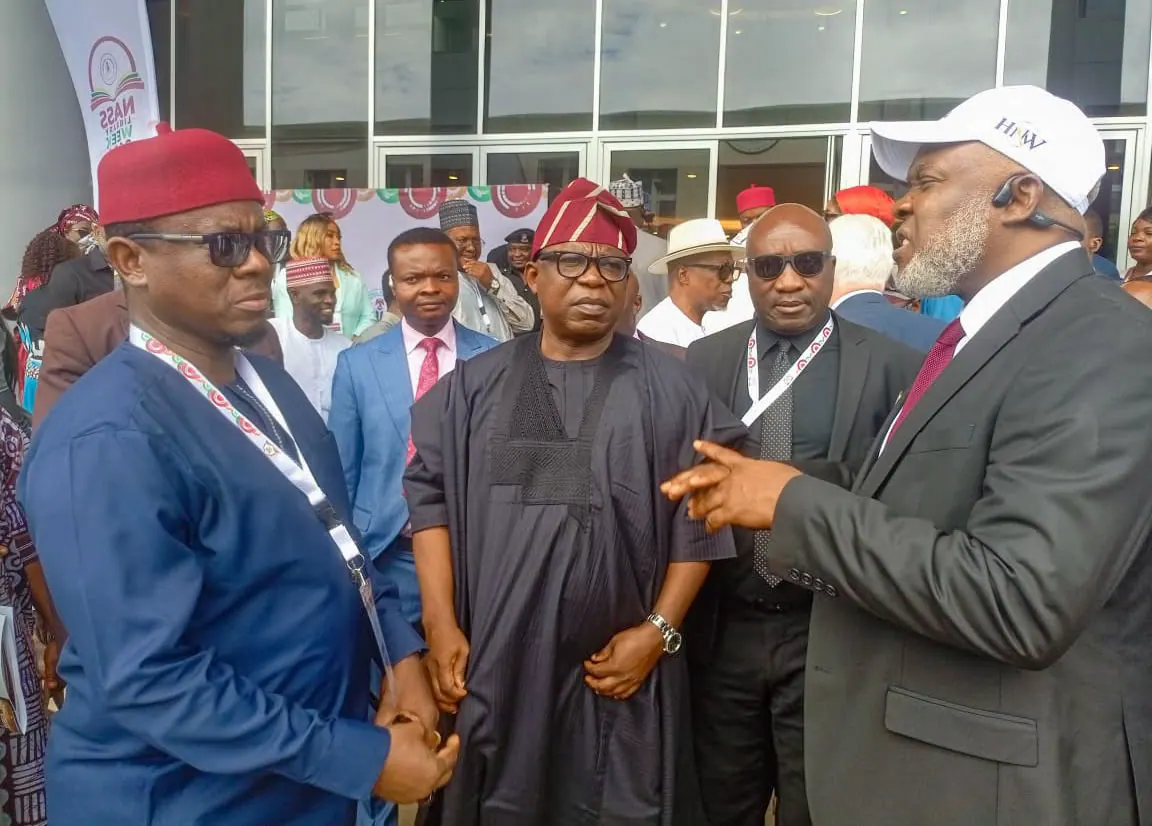
The National Assembly of Nigeria has announced plans to strengthen the authentication and digitization of parliamentary records to curb the circulation of fake, altered, and outdated legislative documents. This initiative aims to make legislation more accessible and understandable to citizens. The Executive Secretary of the National Assembly Library Trust Fund, Henry Nwawuba, revealed this during the 2026 National Assembly Library Week in Abuja. The theme of the week was "Parliamentary Memory: Connecting Records, Legislation and the People."
The National Assembly Library is working to expand its electronic repositories and upgrade its E-Library. A National Assembly Library mobile application is also being developed to provide lawmakers, legislative aides, researchers, and the public with easier access to authoritative parliamentary information. Additionally, a Bills Tracker will be introduced, allowing users to monitor bills and follow their progress through the legislative process.
To simplify Bills, Acts, and legislative procedures, the library will produce infographics, audiovisual materials, and video explainers. Laws will also be translated into major Nigerian languages, including Hausa, Yoruba, and Igbo, to broaden public understanding of legislation. The library will organize public policy dialogues to encourage citizens' participation in public hearings and promote interaction between legislators, researchers, and the public.
The initiative aims to address inconsistencies in official parliamentary documents and the growing circulation of unauthorized copies of National Assembly records. Representing the President of the Senate, Godswill Akpabio, Senator Osita Ngwu urged lawmakers to make greater use of the National Assembly Library, particularly amid the spread of misinformation and disinformation.
The Speaker of the House of Representatives, Tajudeen Abbas, represented by the House Leader, Prof. Julius Ihonvbere, emphasized the importance of legislative records in preserving Nigeria's legislative history and strengthening democratic governance. Abbas noted that technology and artificial intelligence could improve legislative research, records preservation, and public access.
The Clerk to the National Assembly, Kamoru Ogunlana, highlighted the importance of generating, preserving, retrieving, and authenticating institutional knowledge and records for the legislature to be truly independent. Ogunlana identified essential components of Nigeria's democratic memory, including the Order Paper, Votes and Proceedings, and Hansard.
The National Assembly Library must evolve from merely storing documents to becoming an institution where parliamentary knowledge is preserved, authenticated, and made accessible to lawmakers, researchers, and the public. Stakeholders, including the President of the Nigerian Library Association, Dr. Lawal Umar, and the Secretary-General of the Conference of Speakers of African Legislatures, Ambassador Debo Oyewale, called for sustained investment in libraries and modern information technology.
Key points
- The National Assembly plans to introduce a Bills Tracker to monitor bills and follow their progress through the legislative process.
- Laws will be translated into major Nigerian languages to broaden public understanding of legislation.
- The National Assembly Library will upgrade its E-Library and develop a mobile application to provide easier access to authoritative parliamentary information.