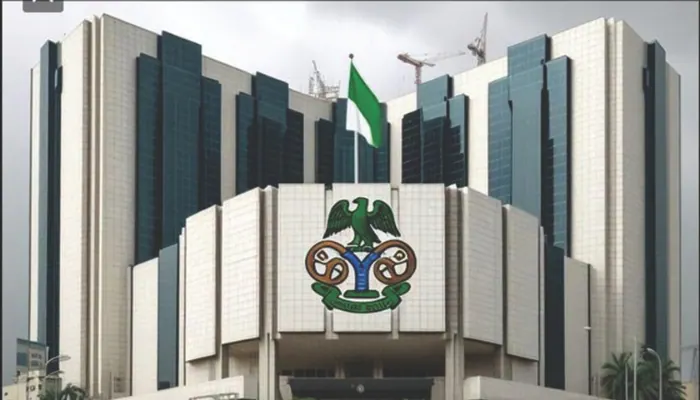
Nigeria's Monetary Policy Committee is set to convene this week, facing a challenging decision on interest rates. The committee must weigh the benefits of cutting rates following three consecutive months of cooling inflation against the risks posed by elevated global oil prices and surging pre-election liquidity. Headline inflation eased to 15.39 percent in August from 15.43 percent in July and 15.91 percent in June.
The recent inflation data reveals a sustained disinflationary trend. Month-on-month inflation slowed to 0.71 percent in August from 1.57 percent in July, its lowest pace this year. Core inflation fell to 13.29 percent from 14.97 percent, while food inflation declined to 19.57 percent, its first fall in six months. Food's monthly rate also dropped sharply to 1.02 percent from 5.56 percent.
Despite the positive inflation data, market consensus heavily favors a cautious "hold" on interest rates. The recent escalation in the Middle East has pushed Brent crude above $100 a barrel, threatening to import a fresh wave of energy-driven inflation. This external shock is already transmitting to citizens on the ground, evidenced by the Dangote Refinery's recent petrol pump price hike to N1,350 per litre.
Analysts warn that soaring transportation and logistics costs, compounded by the inevitable surge in political spending ahead of the election cycle, could easily erode the hard-won disinflationary gains. Razia Khan, managing director and Chief Economist at Standard Chartered Bank, expects the CBN to maintain its policy rate at 26.5 percent in September, saying post-election easing would likely be preferred.
Other analysts share Khan's view, citing persistent fuel price pressures and uncertainty over the Middle East conflict. Ayodeji Ebo, chief executive officer of MDU Capital, said the decline in headline inflation was encouraging, but it was still too early for the CBN to cut interest rates. Food inflation remains elevated, while energy and transportation costs continue to exert pressure on prices.
However, some analysts argue that the combination of softer inflation and declining market rates has strengthened the case for a rate cut. Abayomi Fashina, group risk manager at STL Capital, expects a 50-basis-point reduction in the policy rate. At 26.5 percent, the MPR is now about 11.1 percentage points above August headline inflation, illustrating how restrictive monetary policy has become.
The MPC's decision will have significant implications for Nigeria's economy. Analysts at Quest Merchant Bank Limited said evidence of easing inflationary pressures and improving macroeconomic conditions increased the likelihood that the MPC would begin considering a policy easing cycle. However, the analysts said the committee was likely to remain cautious, given the still-fragile inflation outlook and the need to ensure that recent disinflation gains were sustained.
Key points
- The MPC is expected to maintain its policy rate at 26.5 percent amid concerns over rising oil prices and pre-election liquidity.
- Cooling inflation and declining market rates have strengthened the case for a rate cut, but analysts expect a cautious approach.
- The committee's decision will have significant implications for Nigeria's economy, with a focus on sustaining disinflation gains and ensuring price stability.