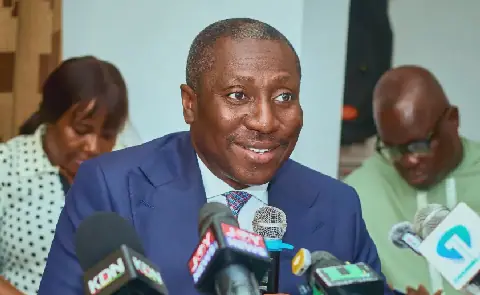
Nigerian manufacturers spent an estimated ₦1.35 trillion on alternative power in 2025, according to the Manufacturers Association of Nigeria. This figure represents a 23 per cent increase from the ₦1.1 trillion spent on alternative energy in 2024. The Manufacturers Association of Nigeria disclosed this at its 54th Annual General Meeting and Made-in-Nigeria Exhibition in Lagos.
The high cost of alternative power is a significant burden on manufacturers, who are already struggling with high production costs, foreign exchange pressures, expensive financing, logistics challenges, and weak consumer demand. MAN President, Francis Meshioye, warned that the cost of self-generated power was becoming increasingly difficult to sustain, particularly as some manufacturers shut factories or scale down production.
Meshioye stated that the money spent on alternative energy could have been invested in expanding factories, acquiring new technology, and improving productivity. He also raised concerns over Nigeria’s dependence on imported raw materials, with the country importing about ₦3.53 trillion worth of raw materials in the first half of 2025, including approximately ₦1.72 trillion sourced from Asia.
The MAN president identified reliable electricity, affordable financing, industrial inputs, efficient logistics, regulatory stability, and increased productivity as critical to making Nigerian manufacturers more competitive. He noted that manufacturing capacity utilisation improved from 51.33 per cent in the first quarter of 2025 to 57.50 per cent in the second quarter.
However, Meshioye warned that the improvement could be eroded if the structural problems facing manufacturers remained unresolved. The AGM is themed “Leveraging National Industrial Policy to Position Nigeria as Africa’s Industrial Hub.” The event brought together stakeholders to discuss ways to support the growth of the manufacturing sector.
Director-General of the National Institute for Policy and Strategic Studies, Ayo Omotayo, also stressed that manufacturing would have to contribute significantly to the economy for Nigeria to achieve its ambition of becoming a $1 trillion economy. Omotayo said having an industrial policy alone would not deliver the desired results without effective implementation.
The Manufacturers Association of Nigeria is working to support the growth of the manufacturing sector through various initiatives. The association’s efforts aim to promote the development of local sources of raw materials and intermediate products to strengthen domestic manufacturing. Key points include the need for reliable electricity and affordable financing to support manufacturers.
Key points
- Nigerian manufacturers spent ₦1.35 trillion on alternative power in 2025.
- The cost of self-generated power is becoming increasingly difficult to sustain for manufacturers.
- Nigeria needs to develop local sources of raw materials and intermediate products to strengthen domestic manufacturing.