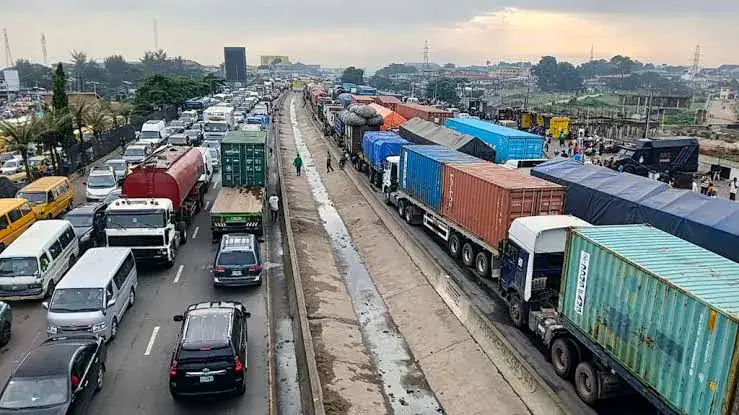
Nigeria's logistics system is facing significant challenges, including congestion around Lagos ports, inadequate rail freight connections, and expensive road haulage. The country's importers, manufacturers, traders, and consumers are paying the price for these inefficiencies, which are inflating costs and affecting the economy. The logistics system is characterized by infrastructure gaps, delays, and fragmented operations, which hinder the movement of goods from seaports to warehouses and markets.
The Nigerian Transport Summit 2026, held in Lagos, brought together transport experts and industry stakeholders to discuss the country's logistics challenges. The summit heard that Nigeria's transport infrastructure must be treated as an interconnected economic system, rather than a collection of separate investments. Pearl Ngwama, convener of the summit, emphasized the need for a coordinated approach to transport development, saying that transport is too critical to Nigeria's economic future to be managed through fragmented policies and isolated investments.
The logistics challenges in Lagos, home to Nigeria's principal commercial seaports, are a compelling illustration of the problem. Cargo discharged at Apapa or Tin Can Island must pass through terminal release procedures, documentation, and other applicable checks before being evacuated by road, rail, or a combination of transport modes. Each stage introduces potential costs and delays, which can add up and affect the final cost of the goods.
The Nigerian Ports Economic Regulatory Agency (NPERA) has acknowledged that delays in cargo clearance, unpredictable charges, inadequate infrastructure, and weak stakeholder coordination undermine business competitiveness. NPERA's Director-General, Pius Ukeyima Akutah, emphasized the importance of effective economic regulation in ensuring that charges are reasonable, service delivery is efficient, and stakeholders are treated fairly.
The World Bank's Logistics Performance Indicators 2.0 report, published in 2025, found that only 0.2 percent of imported containers left the port within one day. Half took up to 13.4 days to leave, while a quarter remained for more than 22.1 days. These figures highlight the time lost in the logistics system, which can increase costs and affect the economy.
The Nigerian Shippers' Council's 2024 annual report identified uneven operational performance across Lagos terminals. Truck turnaround times varied significantly, with some terminals meeting the recommended 45-minute benchmark, while others took much longer. The report highlights the need for measurable service standards, improved terminal management, reliable access roads, and better coordination of cargo collection.
One of the most consequential gaps in Nigeria's logistics system is the limited use of rail for freight evacuation. The country's rail deficit leaves road haulage with the burden, adding pressure to port access roads and exposing transporters to traffic congestion, fuel expenses, and vehicle operating costs. Dr. Femi Ola Aiyegbajeje, a transport expert at the University of Lagos, argued that railway development must be tied to the practical requirements of freight movement.
Key points
- Nigeria's logistics system is plagued by infrastructure gaps, delays, and weak coordination.
- The country's transport infrastructure must be treated as an interconnected economic system.
- The limited use of rail for freight evacuation is a significant challenge in Nigeria's logistics system.