Nigeria's past experiences with military rule have yielded significant concerns about governance. The country's 1966, 1983, and 1993 coups were initially justified as measures to enforce discipline and rescue a failing state. However, these military interventions ultimately led to suspended constitutional rights, press restrictions, weakened democratic institutions, and a lack of accountability in public finances. A similar dilemma is unfolding across the Sahel region, where military leaders who seized power in the name of security and national sovereignty continue to face scrutiny over issues of insecurity, political freedoms, and delayed returns to civilian rule.
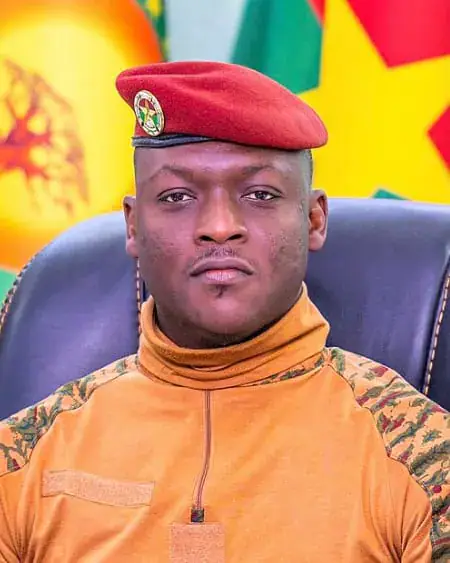
The recent coup in Burkina Faso, led by Captain Ibrahim Traoré, has become a symbol of defiance for those disillusioned with current political leadership. Since taking power in September 2022, Traoré has promoted resource nationalism. This approach has sparked discussions about the role of national sovereignty in economic management and security. Traoré's actions have drawn comparisons with Thomas Sankara, a former Burkinabé leader known for his efforts to assert national sovereignty and promote economic self-reliance.
Thomas Sankara's presidency, which lasted from 1987 to 1991, was marked by significant efforts to transform Burkina Faso's economy and society. He implemented policies aimed at reducing dependence on foreign aid, promoting self-reliance, and improving living standards for Burkinabé citizens. However, his tenure was cut short by a coup that led to his assassination. The legacy of Sankara continues to inspire discussions about African leadership and the challenges of asserting national sovereignty in the face of external pressures.
The experiences of Burkina Faso and other Sahel countries raise important questions about the role of Western intervention in African affairs. Critics argue that external interference often undermines national sovereignty and exacerbates existing challenges. In contrast, proponents of engagement argue that international cooperation is essential for addressing global challenges such as terrorism, climate change, and economic inequality. Nigeria's own history offers valuable lessons for navigating these complex issues.
Nigeria's democratic journey has been marked by significant challenges, including issues with electoral integrity, corruption, and security. However, the country's experiences also offer insights into the importance of strengthening democratic institutions, promoting accountability, and ensuring that leaders are responsive to the needs of citizens. The country's ability to navigate these challenges will have significant implications for regional stability and global governance.
The African continent is home to diverse experiences with military rule and democratic governance. While some countries have made significant progress in consolidating democracy, others continue to grapple with the challenges of insecurity, corruption, and authoritarianism. The lessons of African history and the experiences of countries like Nigeria and Burkina Faso offer valuable insights into the complexities of leadership and governance in the region.
As Nigeria and other African countries navigate the complexities of leadership and governance, they must draw on their own experiences and histories to inform their decisions. The country's ability to promote democratic governance, accountability, and national sovereignty will have significant implications for regional stability and global governance. By learning from the past and engaging with the complexities of the present, African leaders can work towards building more resilient and effective systems of governance.
Key points
- Nigeria's history offers valuable lessons for navigating the complexities of leadership and governance in Africa.