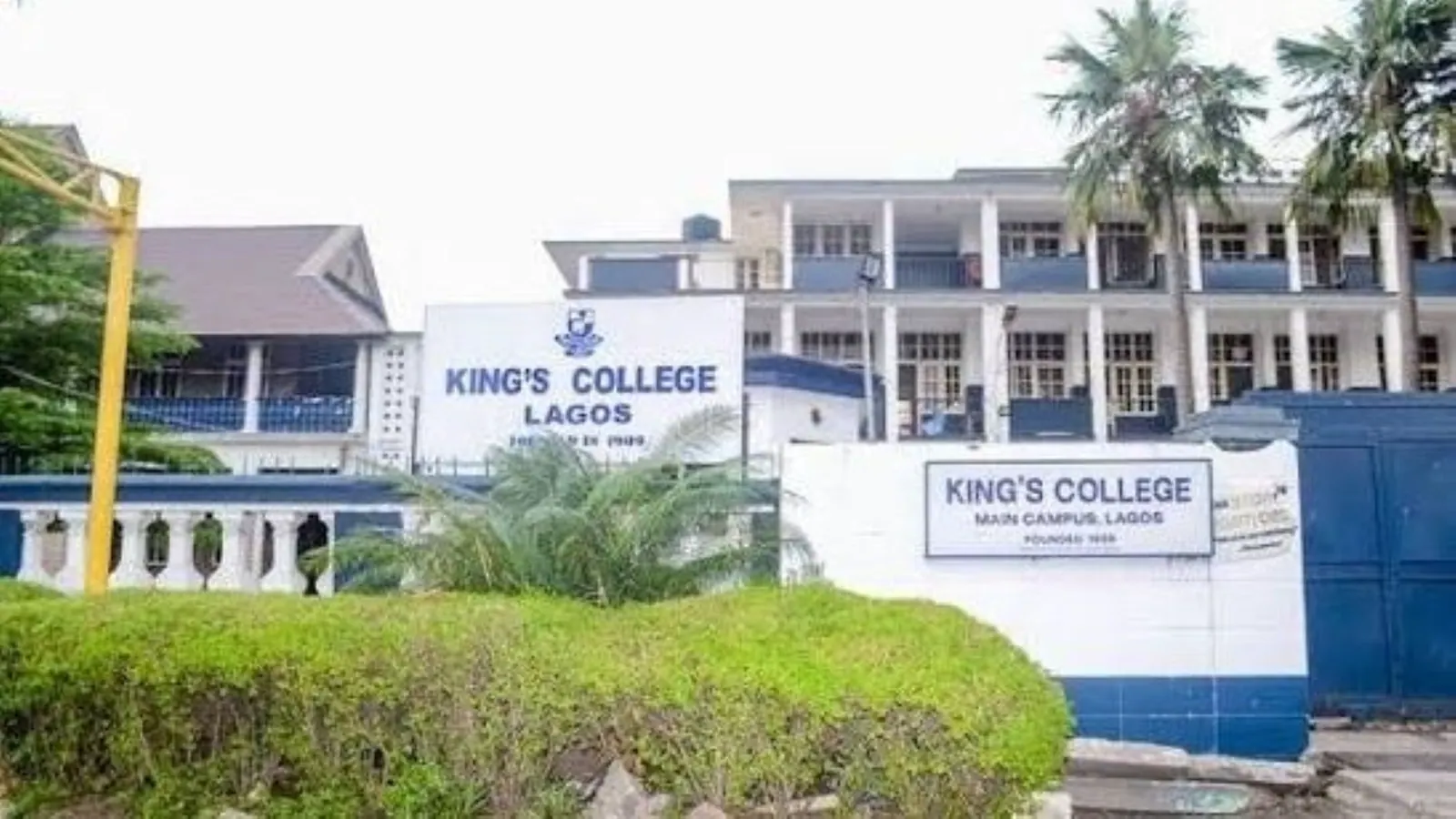
A seven-member committee constituted by Nigeria's Federal Government has begun reviewing the concession agreement of the 117-year-old King's College, Lagos. The committee's inaugural meeting, held in Abuja, aims to address disputed issues, including the concession duration, government funding, staff welfare, school fees, and operational control. The concession agreement between the Federal Ministry of Education and King's College Education Trust Limited, established by the King's College Old Boys' Association (KCOBA), is under scrutiny.
The concession agreement, signed on August 7, has sparked controversy due to a discrepancy in its duration. Initially presented as a 35-year deal, documents reveal that the agreement provides for an initial 50-year term, potentially running to 2076. Stakeholders seek clarification on the difference between the publicly announced and executed agreement durations. This issue is expected to feature prominently in the committee's review.
The committee must also consider whether the concession should proceed at all. The Innocent Bola-Audu-led faction of the Association of Senior Civil Servants of Nigeria (ASCSN), backed by the Joint Workers Council (JWC) of unions at the Federal Ministry of Education headquarters, calls for the complete reversal of the arrangement. They argue that unity colleges are heritage institutions that should remain under direct government control.
The committee's mandate is being tested, as it must determine whether it can recommend that the agreement itself be reconsidered or if its role is limited to reviewing and possibly amending the terms of the existing concession. The panel emerged from a two-week truce between the Federal Government, labour, and KCOBA, following weeks of disagreement, protests, and disruption of academic activities in the Federal Unity Colleges.
Staff welfare is a major concern, with workers seeking guarantees on employment, salaries, pensions, and other accrued rights during and after the transition. School fees are also expected to generate intense debate. The committee will scrutinize KCOBA's financial obligations under the agreement, which claims to have invested over N2 billion in the school and pledged over N100 billion for development.
The agreement's termination, dispute-resolution, and government step-in provisions will come under scrutiny, particularly given the proposed 50-year lifespan. The committee must establish investments that are contractually enforceable, timelines for delivery, and consequences of failing to meet agreed targets. This review aims to address concerns from various stakeholders and find a resolution to the controversy surrounding King's College.
The review process will determine the future of the historic institution and the impact on its students, staff, and the education sector as a whole. The committee's findings and recommendations will be crucial in resolving the disputes and shaping the future of King's College. The Federal Government's handling of the situation will also be closely watched, as it seeks to balance the interests of various stakeholders.
Key points
- The committee reviews a 50-year concession agreement for King's College, Lagos.
- Stakeholders dispute the concession duration and its implications.
- The committee must address staff welfare, school fees, and financial obligations.