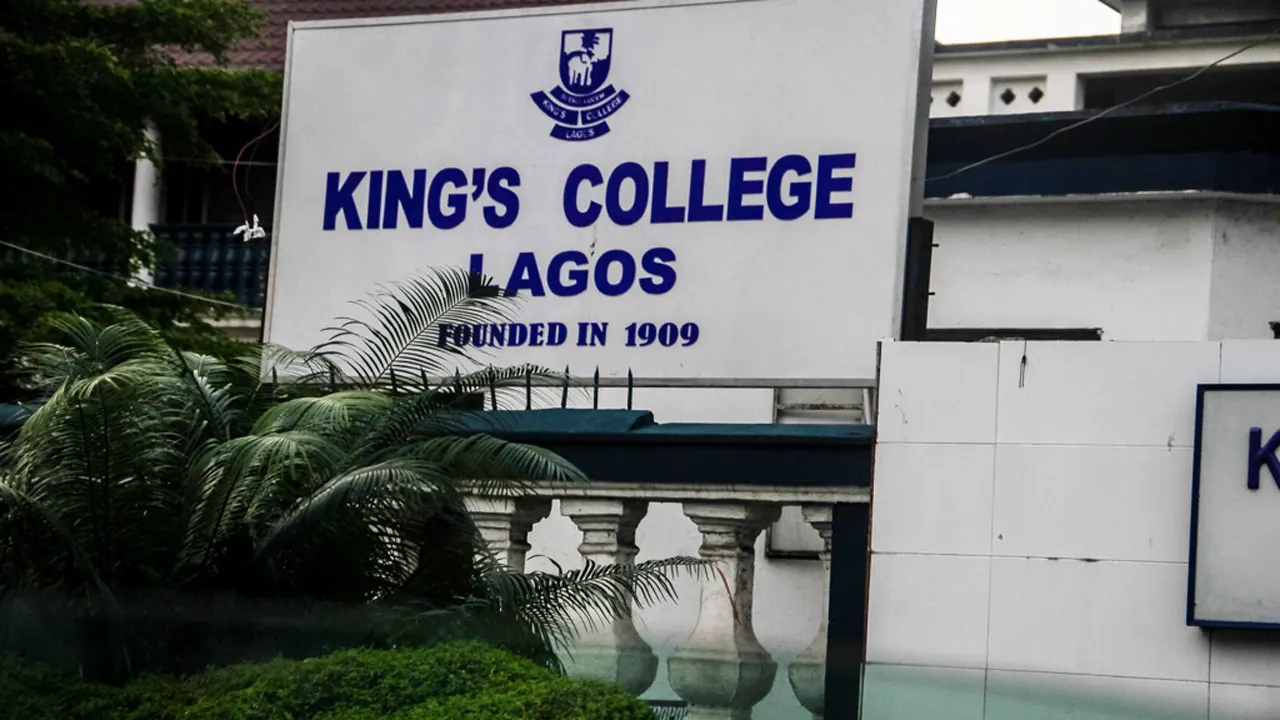
Academic activities at King's College, Lagos, have not commenced since the 2026/2027 session began three weeks ago due to a controversy surrounding the government's concession plan. The plan, announced by Minister of Education Tunji Alausa in August, involves a 35-year concession to the Old Boys Association. This move has been met with resistance from various stakeholders, including parents, teachers, and union members, who have genuine concerns about the impact on the school's infrastructure, funding, and staff welfare.
The concession plan has sparked fears about the future of the school, which was established in 1909 by the colonial government. King's College is one of Nigeria's heritage institutions, known for its rich history and academic excellence. However, the school has fallen into disrepair, with dilapidated buildings, overcrowded hostels, and declining standards. In 2025, a 12-year-old pupil died in the hostel due to diphtheria, highlighting the need for urgent attention to the school's infrastructure and healthcare.
The Old Boys Association has expressed concerns about the school's state and has sought to rebuild and restore its reputation. However, the method of intervention has raised questions among stakeholders. While Old Boys Associations often give back to their alma maters through various initiatives, the government's decision to concession the school has raised concerns about access, fees, and staff welfare. The Parents Teachers Association (PTA) and union members have opposed the move, citing the potential for increased fees and job losses.
The government has suspended its order for two weeks, following consultations with union members, to enable a seven-member committee to review the disputed concession agreement. The committee will focus on the duration of the concession, school fees, public funding, staff welfare, operational control, and financial obligations. This move has been seen as a step in the right direction, but stakeholders remain skeptical about the government's intentions and the potential impact on the school.
The PTA Chairman, Peter Oluwaleye, has expressed concerns about the government's decision to cease funding the school after the concession is completed. The forum of ex-principals of the college has also described the plan as "inconceivable," citing the government's responsibility to fund education and develop the nation's human capital. The Minister of Education's stance that there will be "no going back" on the concession has been seen as uncompromising and unhelpful to the review process.
The controversy surrounding King's College has sparked a national debate about the role of government in education and the fate of public schools. The government's attempt to concession or sell national monuments, including the Tafawa Balewa Square and the National Theatre, has raised concerns about the commodification of public assets. The solidarity of 104 Unity Colleges with King's College has been seen as a crucial step in protecting public education in Nigeria.
The decline in education budget since 2024, from 7.9% to 6% in 2026, has raised concerns about the government's commitment to education. The controversy surrounding King's College has highlighted the need for the government to prioritize education and ensure that public schools receive adequate funding and support. As the review process continues, stakeholders will be watching closely to see if the government will reconsider its concession plan and prioritize the interests of students, teachers, and the broader community.
Key points
- The Nigerian government's plan to concession King's College, Lagos, to its Old Boys Association has sparked resistance from stakeholders due to concerns about funding, fees, and staff welfare.
- The concession plan has raised questions about the government's commitment to education and the fate of public schools in Nigeria.
- The controversy has sparked a national debate about the role of government in education and the need to prioritize public education.