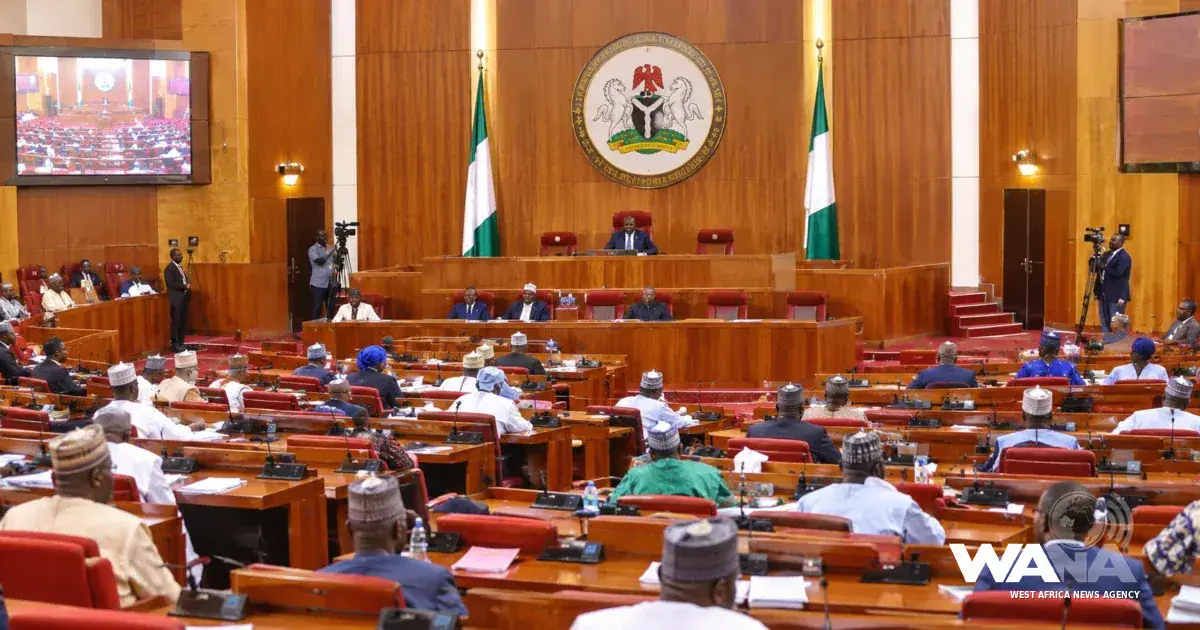
The House of Representatives has advanced a bill to amend the National Social Investment Programme Agency (Establishment) Act, 2023. The bill, sponsored by Deputy Speaker Benjamin Kalu and six other lawmakers, aims to reposition and refocus the agency for better performance and improved efficiency in delivering social investment programmes. Speaker Tajudeen Abbas presided over the plenary and put the bill to a voice vote, which lawmakers supported to scale second reading.
The proposed legislation seeks to add a Grant for Vulnerable Groups Programme and a National Social Safety-Net Coordinating Office to the agency. The bill's central proposals include introducing the grant programme as an additional component of the agency, although it does not specify the size, eligibility rules, or funding arrangements. The National Social Safety-Net Coordinating Office would serve as the central coordinating and data-management institution for national social safety-net programmes.
The bill also proposes establishing state offices and introducing executive directors with defined responsibilities for individual programmes. The office would maintain, update, and verify the National Social Register. According to Deputy Speaker Benjamin Kalu, the strength of a social investment programme should be measured by its impact on vulnerable citizens, not by budget size or the number of programmes.
Kalu said the success of such programmes should be judged by their effect on intended beneficiaries rather than by budget size or the number of interventions. He stated that the National Social Investment Programme Agency was established to give institutional structure to the state's promise to protect vulnerable citizens. The evolving scale and complexity of the social protection landscape create a compelling need to strengthen coordination, implementation, and monitoring.
The amendments recognise that effective social investment requires an integrated system with properly managed beneficiary data, coordinated programmes, and engaged state and local governments. The bill seeks to establish clearer institutional responsibilities and stronger coordination mechanisms. The proposed legislation has 15 clauses, which have not been published in detail.
The bill's next step would be committee consideration, where the 15 clauses are likely to face closer scrutiny. The proposals on the grant programme, the coordinating office, the state offices, and the executive directors would take effect only if the bill clears the remaining legislative stages and is assented to. The bill does not state how the proposed coordinating office would relate to existing data-holding arrangements.
The bill also does not indicate the cost of the new components or how they would be funded. For now, the measure has advanced only to the point of a voice vote in the House. Its sponsors, including Bamidele Salam, Jonathan Gbefwi, Nkemkamma Kama, Lawan Shettima, Aminu Balele, and Kelechi Nwogu, aim to enhance the agency's performance and delivery of social investment programmes.
Key points
- The bill aims to reposition and refocus the National Social Investment Programme Agency for better performance and improved efficiency.
- The proposed legislation seeks to add a Grant for Vulnerable Groups Programme and a National Social Safety-Net Coordinating Office to the agency.
- The bill's success will depend on its passage through the remaining legislative stages and assent.