The Nigerian government has unveiled a series of measures to mitigate the impact of recent economic shocks, including a 30-day reduction in fuel prices and a plan to cap fuel prices. The Minister of Finance, Taiwo Oyedele, announced the measures on Thursday, stating that they aimed to alleviate pressure on households and businesses. The reduction will apply to fuel sold by the state-owned NNPC Limited, with priority given to public transporters nationwide.
The current fuel price in Nigeria stands at around 1,400 naira (approximately $0.93) per liter, up from 830 naira ($0.55) before the Middle East conflict. The government's decision comes as the country approaches general elections on January 16. The fuel price hike has exacerbated economic difficulties, and the government is seeking to address these challenges without reinstating fuel subsidies, a highly sensitive topic.
The Minister of Finance emphasized that the reduction is not a subsidy, but rather a sale at cost price. The government is also negotiating a price cap of 1,350 naira ($0.90) per liter to reduce price volatility. This move is part of a broader effort to shield the economy from global oil price fluctuations and exchange rate changes.
Nigeria, Africa's largest oil producer, is home to the continent's largest refinery, owned by Aliko Dangote, the richest man in Africa. Despite its oil wealth, the country has struggled with fuel price volatility, which has had a significant impact on the economy. The government's measures aim to stabilize fuel prices and provide relief to households and businesses.
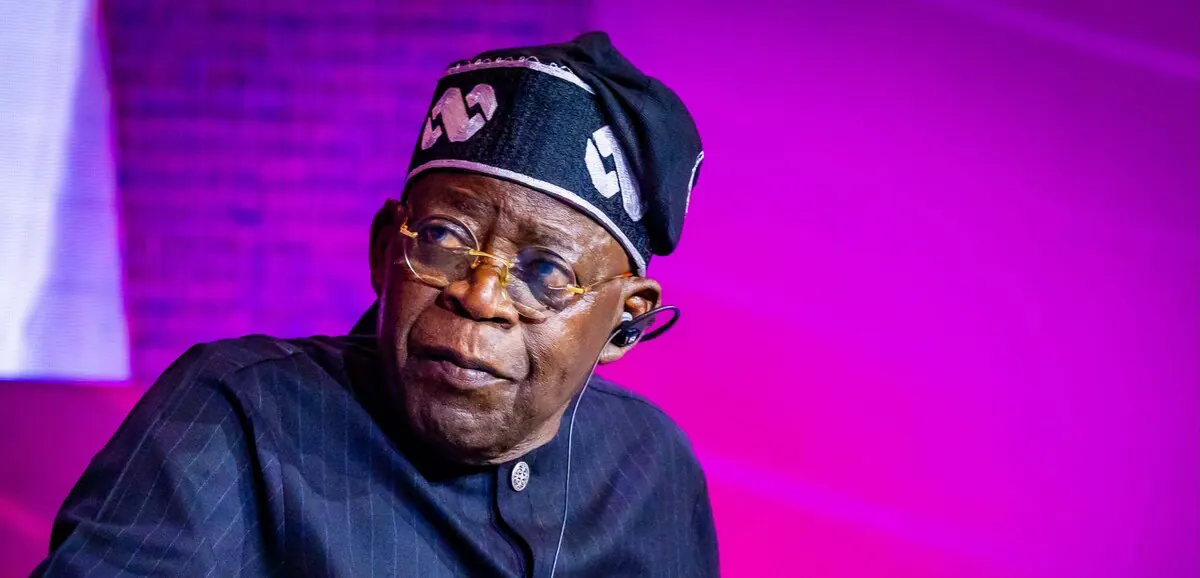
President Bola Tinubu, who is seeking re-election on January 16, has implemented significant economic reforms since taking office in 2023, including the removal of fuel subsidies and the floating of the naira. While these reforms have been widely supported by economists, they have also led to increased living costs and economic hardship.
The opposition has criticized the government's handling of the economy, with Atiku Abubakar, a presidential candidate, promising to reinstate fuel subsidies if elected. The government's efforts to reduce fuel prices and cap prices aim to address these concerns and alleviate economic pressure on households and businesses.
The temporary fuel price cut and proposed price cap are part of a broader effort to stabilize the economy and address the challenges facing the country. With general elections approaching, the government's economic policies are likely to be a key issue in the campaign.
Key points
- The Nigerian government has announced a 30-day temporary reduction in fuel prices to 1,350 naira per liter to ease economic hardship.
- The reduction applies to fuel sold by the state-owned NNPC Limited, with priority given to public transporters nationwide.
- The government's measures aim to shield the economy from global oil price fluctuations and exchange rate changes.