The Nigerian government has announced significant developments in the country's gas sector, including $3.5 billion in fresh investments that have reached Final Investment Decision (FID) under President Bola Tinubu. Minister of State for Petroleum Resources (Gas), Ekperikpe Ekpo, disclosed this in Abuja, highlighting the government's focus on increasing production, accelerating infrastructure development, and expanding domestic utilisation. The goal is to turn Nigeria's vast gas reserves into a major source of industrial growth.
According to Ekpo, four projects have reached FID: the Iseni Project valued at approximately $122 million, Ubeta at $566 million, the HI Project at $2 billion, and the Ima Project at $800 million. These projects collectively represent approximately $3.5 billion in committed investment. Additionally, the $3.5 billion Brass Methanol Project has advanced towards execution following the resolution of its Gas Sales and Purchase Agreement (GSPA).
Ekpo attributed the developments to returning investor confidence in the gas sector, citing the government's efforts to create a conducive environment for investment. He emphasized that the administration remains accountable for turning these approvals into reliable energy, stronger industries, more jobs, and lasting prosperity. The investment commitments demonstrate that the next phase of growth is already taking shape.
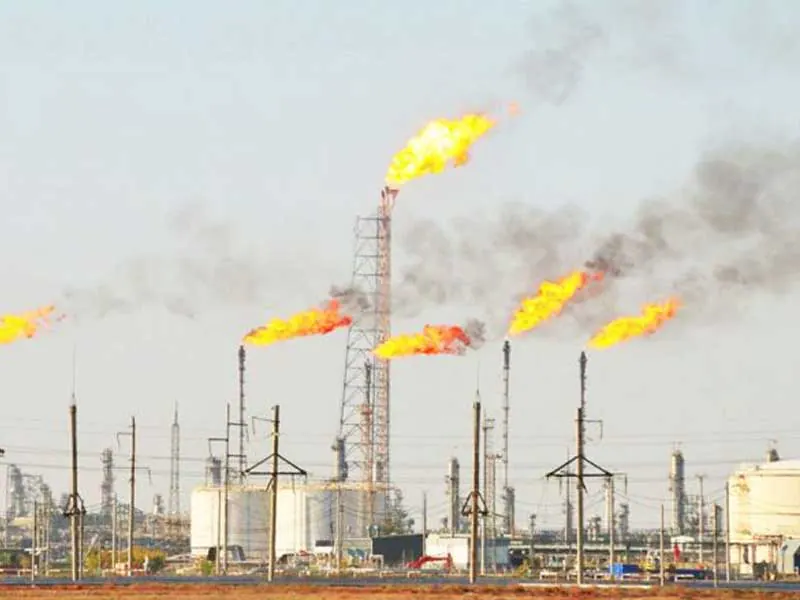
Nigeria's proven 2P gas reserves have increased from approximately 208.83 trillion cubic feet (TCF) in 2023 to 215.19 TCF as of January 1, 2026. Average gas production has also risen from about 6.86 billion cubic feet per day (bcf/d) to approximately 7.5 bcf/d. Domestic gas supply has now crossed 2 bcf/d, with the federal government targeting production of 10 bcf/d by 2027 and 12 bcf/d by 2030.
The expansion of gas production is critical to meeting growing demand from power generation, industries, fertiliser and petrochemical plants, LNG, transportation, and other domestic and export markets. Ekpo explained that the government is focused on ensuring that gas resources translate into tangible economic benefits for the country.
Nigeria LNG's nameplate capacity utilisation has recovered significantly, rising from approximately 59% at the beginning of the administration in 2023 to about 87%. This increase demonstrates the government's efforts to optimise the utilisation of existing infrastructure and enhance the sector's productivity.
The minister's announcement underscores the government's commitment to harnessing Nigeria's gas wealth to drive economic growth and development. With the new investments and production targets, the country is poised to maximise the benefits of its vast gas reserves and create a more sustainable energy future.
Key points
- Four gas projects have reached Final Investment Decision, totalling $3.5 billion in committed investment.
- Nigeria's gas production has increased to 7.5 bcf/d, with domestic supply exceeding 2 bcf/d.
- Nigeria LNG's capacity utilisation has risen from 59% to 87% under the current administration.